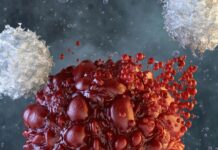
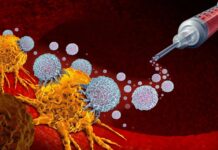
Groundbreaking research demonstrates that combining Tumor Treating Fields (TTFields) with standard chemotherapy and immunotherapy significantly extends survival in patients with glioblastoma, an aggressive form of brain cancer. The study, led by researchers at Keck Medicine of USC, reveals that TTFields prime the body’s immune system to fight the cancer, making immunotherapy far more effective than when used alone. This represents a major step forward in treating a disease for which current survival rates remain critically low.
Why Glioblastoma Treatment Fails and Why This Matters
Glioblastoma is notoriously difficult to treat due to its aggressive growth and location within the brain. The blood-brain barrier restricts immune cell access, rendering standard immunotherapies ineffective in most cases. Current treatments, even aggressive combinations of surgery, chemotherapy, and radiation, offer limited long-term benefit. This new approach bypasses this limitation by stimulating an immune response inside the tumor itself, opening the door for immunotherapy to finally work as intended.
How TTFields Reshape the Immune Response
TTFields deliver low-intensity electric fields directly to the tumor via a wearable device. These fields disrupt cancer cell division and, crucially, attract tumor-fighting T cells to the tumor site. The key finding is that the electric fields don’t just slow growth, they actively prepare the tumor for an immune attack. When combined with immunotherapy (pembrolizumab in this study), the T cells remain active longer and are replaced by even more potent immune cells.
Dr. David Tran, lead author of the study, explains it simply: “By using TTFields with immunotherapy, we prime the body to mount an attack on the cancer, which enables the immunotherapy to have a meaningful effect in ways that it could not before.”
Study Results: A 70% Survival Increase
The Phase 2 clinical trial enrolled 31 glioblastoma patients who had completed initial cancer treatment. Those who received TTFields, chemotherapy, and immunotherapy lived approximately 10 months longer than those treated with chemotherapy and TTFields alone. Most strikingly, patients with larger, inoperable tumors saw an even greater benefit – a 70% increase in overall survival and a stronger immune response. The study suggests that larger tumors may offer more targets for the therapy, making it even more effective.
The researchers found that the combination of treatments activated the body’s natural ability to fight cancer by improving T cells’ ability to identify and attack cancer cells. This is especially important in glioblastoma treatment, where the blood-brain barrier often blocks T cells and other therapies from reaching brain tumors.
Ongoing Validation and Future Implications
A larger, Phase 3 clinical trial is now underway across multiple sites in the US, Europe, and Israel to confirm these findings in a broader patient population. This trial will also explore whether surgical removal of the tumor influences immune response. The current data suggests that even for patients who cannot undergo surgery, this combined therapy offers a significant survival advantage.
This research, while partially funded by Novocure (the manufacturer of the TTFields device), marks a crucial step towards overcoming the challenges of treating glioblastoma. If validated in larger trials, this approach could dramatically improve outcomes for patients facing this devastating diagnosis.