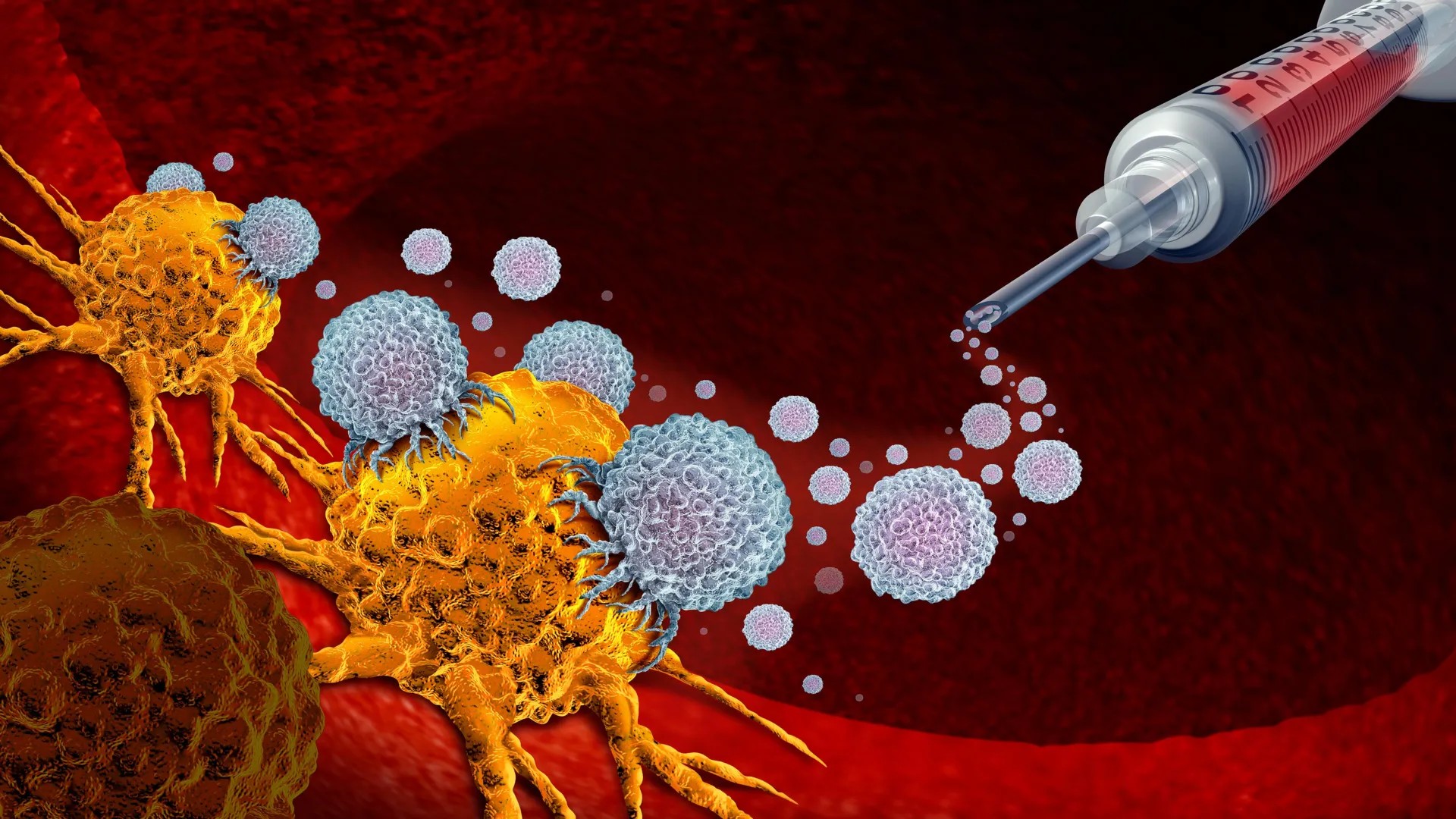
Researchers at the University of Florida have achieved a remarkable breakthrough in cancer treatment: a new mRNA vaccine has completely eradicated tumors in mice, even in cases where existing therapies have failed. The study, published in Nature Biomedical Engineering, reveals that the vaccine doesn’t target cancer directly, but instead supercharges the immune system to fight tumors as if they were a viral infection.
A New Paradigm in Cancer Immunotherapy
For years, cancer vaccine development focused on either finding a universal target protein on tumors or creating personalized vaccines tailored to individual patients’ mutations. This research introduces a third, potentially revolutionary approach: using a broadly applicable mRNA vaccine to simply ignite the immune system’s natural cancer-fighting abilities.
The key is stimulation, not specificity. By triggering the expression of the PD-L1 protein within tumors, the vaccine makes them more vulnerable to attack. When combined with existing immune checkpoint inhibitors (drugs that remove brakes on the immune system), the effect is amplified. In some cases, the vaccine alone was sufficient to eliminate tumors in mouse models of skin, bone, and brain cancers.
How It Works: Revving Up the Immune System
The vaccine uses mRNA technology, similar to that behind COVID-19 vaccines, but it isn’t designed to target cancer specifically. Instead, it’s engineered to provoke a powerful immune response. This surge in activity awakens dormant T cells – immune cells that had previously been unable to attack the tumor – allowing them to multiply and destroy cancer cells.
Researchers found that this method works even on tumors that are typically resistant to treatment. “This finding is a proof of concept that these vaccines potentially could be commercialized as universal cancer vaccines to sensitize the immune system against a patient’s individual tumor,” stated Dr. Elias Sayour, the study’s senior author.
From Personalized to Universal: The Future of Cancer Treatment?
This research builds on earlier success in human trials, where a personalized mRNA vaccine successfully reprogrammed the immune system to fight aggressive brain tumors. The current study expands on this by demonstrating that a generalized vaccine – one not tailored to individual patients – can achieve similar, and in some cases, even more potent results.
The implications are potentially profound. If these findings translate to human trials, it could lead to an “off-the-shelf” cancer vaccine available to all patients, regardless of their tumor type. As Dr. Duane Mitchell, a co-author of the study, put it, this could be “a universal way of waking up a patient’s own immune response to cancer.”
The team is now working to refine the vaccine and accelerate its entry into human clinical trials. The prospect of a broadly effective cancer vaccine, capable of harnessing the body’s own defenses, represents a significant leap forward in the fight against this deadly disease.