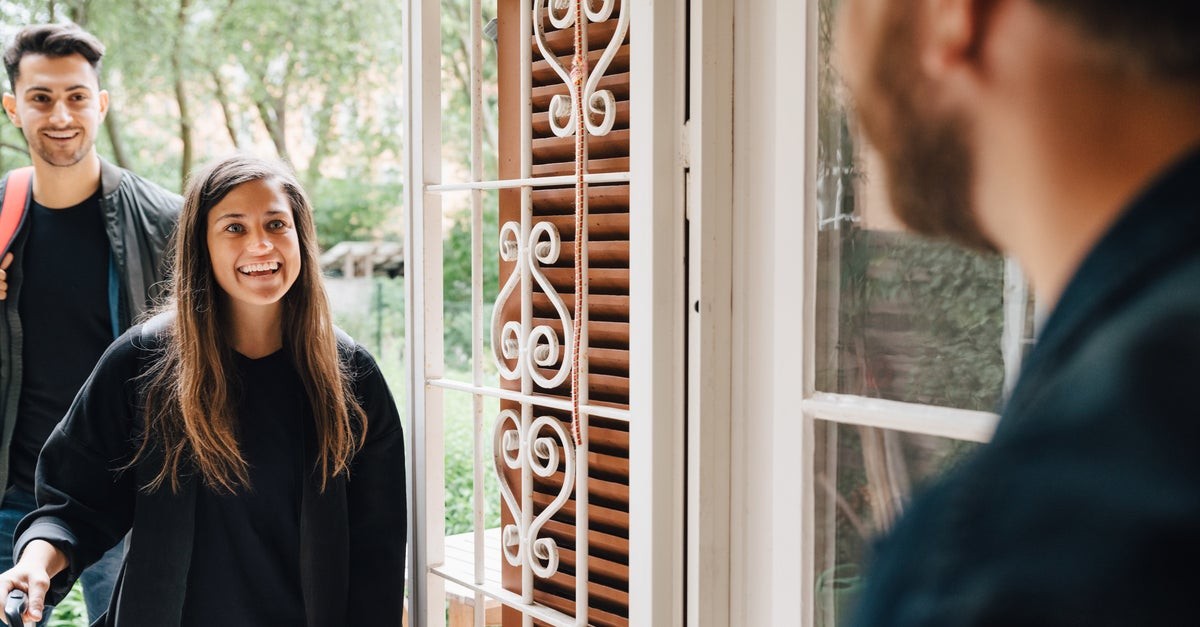
Staying in someone else’s home is a privilege, not an entitlement. While hosts generally want guests to feel comfortable, there are clear boundaries that, when crossed, can quickly turn hospitality into resentment. Etiquette experts consistently point to a surprisingly common set of rudenesses that overnight visitors commit—behaviors that can ensure you’re never invited back.
Respecting Space and Boundaries
First impressions matter, and so does respecting the home you’re staying in. Overpacking can be seen as inconsiderate, implying you expect to sprawl out and dominate the space. Etiquette experts, like Diane Gottsman, advise treating the guest room as you would your own: keep it tidy, use coasters, and be mindful of resource consumption.
Equally important is allowing your host breathing room. Guests who monopolize their time or treat the home like a vacation resort, rather than someone else’s living space, are often unwelcome. A polite approach is to offer to entertain yourself, even suggesting a solo outing: “I’m heading to the museum today. Feel free to join if you’d like, but no pressure.”
Avoiding Entitlement and Interference
The biggest faux pas? Acting like you deserve access to resources that haven’t been offered. This includes borrowing the car without asking, assuming the host will chauffeur you around, or expecting to raid the pantry as if it’s an all-you-can-eat buffet.
Parenting is another minefield. Unless specifically asked, refrain from correcting the host’s children or offering unsolicited advice. You are a guest, not a consultant. Similarly, snooping through personal belongings is a major breach of trust. If you need something, ask first.
Practical Courtesy: Helping Out and Showing Gratitude
Good manners aren’t just about avoiding offense; they’re about contributing positively to the stay. Failing to help with chores or leaving a mess and trying to hide it sends a clear message: you expect to be waited on. Instead, load the dishwasher, offer to cook, or take the host out for a meal.
Finally, don’t forget basic gratitude. Arrive with a small gift (wine, flowers, or something local), say “please,” “thank you,” and “excuse me” frequently, and always strip the bed before leaving. These small gestures demonstrate respect and ensure you’ll be remembered as a welcome guest, not a burden.
The key takeaway: being a good house guest isn’t just about avoiding rudeness—it’s about actively showing consideration for the host’s time, property, and family. Failing to do so risks not only social awkwardness but also the end of a valuable relationship.