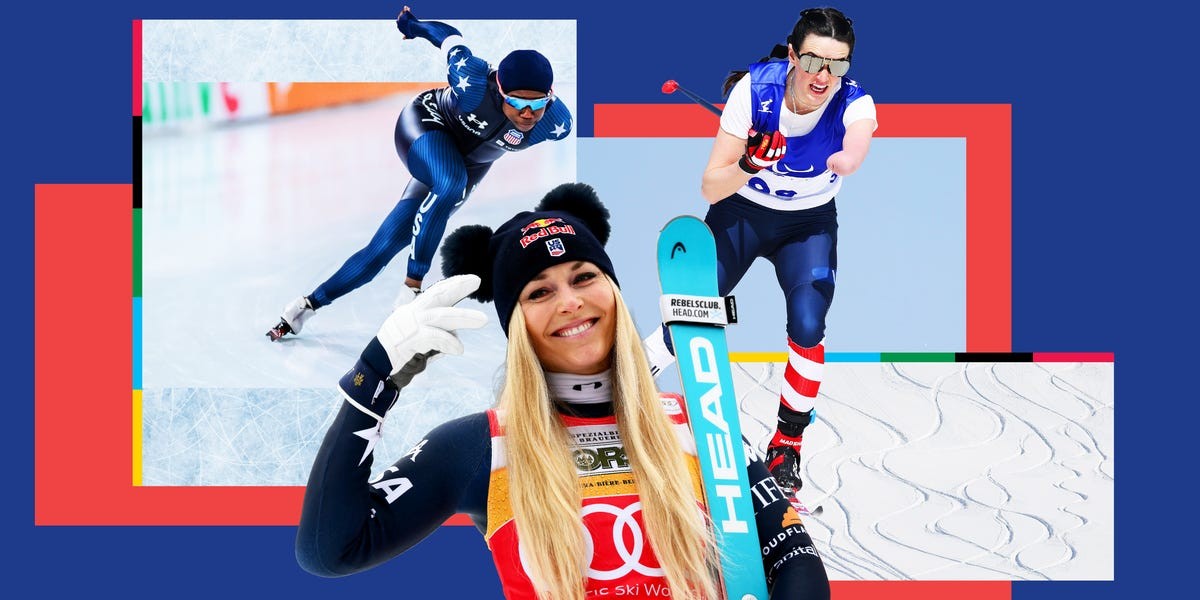
Elite athletes don’t just rely on training and talent; they also depend on carefully cultivated pre-competition routines to unlock peak performance. From high-energy playlists to quiet self-talk, these rituals are the unsung heroes behind Olympic and Paralympic success.
The Power of Personalization
Whether it’s a carefully selected song, a specific stretch, or even a bizarre candy craving, top winter athletes fine-tune their routines to hit the right mental and emotional state before competing. The common thread? Individuality. What works for one athlete may be counterproductive for another.
Many rely heavily on music to build intensity or suppress nerves. Ski jumper Sam Macuga’s team blasts Pitbull to get hyped, while biathlete Deedra Irwin turns to Kelly Clarkson for a motivational boost. Some, like para cross-country skier Dani Aravich, even listen to aggressive motivational speeches to intimidate themselves into focus. Others, like para snowboarder Brenna Huckaby, prefer calm ambient sounds to reach a meditative state.
From Pep Talks to Dance-Offs
For some, the routine is about internal dialogue. Freestyle skier Jaelin Kauf repeats affirmations (“You’ve got this…you’re the best in the world”) while speed skater Erin Jackson refines her focus on specific cues. Others lean into external energy: para alpine skier Audrey Crowley sings along to Taylor Swift to get “goofy” and “fun,” while Oksana Masters, a decorated Paralympian, simply talks non-stop to keep her adrenaline high.
The key is distraction or immersion. Hockey player Caroline Harvey calls her mother or sister to center herself, while alpine skier Breezy Johnson eats Sour Patch Kids to calm her nerves.
Beyond the Soundtrack: The Unexpected Anchors
The rituals aren’t always about grand gestures. Moguls skier Alli Macuga checks the weather, while ice hockey player Kendall Coyne Schofield takes a hard, fast lap around the ice. Figure skater Amber Glenn slams her hands against the boards for a final surge of adrenaline. These small, idiosyncratic actions become powerful mental triggers.
Why does this matter? These routines aren’t superstition; they’re a form of neuro-associative conditioning. By repeatedly linking specific actions to high-stakes performance, athletes create a mental shortcut to access peak focus and confidence. The rituals are anchors in a chaotic environment, helping them shut out distractions and deliver when it counts.
The Olympic Glow: More Than Just Medals
Irwin summarizes the deeper value of these moments: “You don’t always have to have a medal to have an Olympic moment.” The rituals themselves are part of the experience, a way to embrace the pressure, savor the competition, and bask in the extraordinary glow of elite sport.
These personalized routines are a reminder that even at the highest levels, human connection, emotion, and a touch of weirdness play a crucial role in achieving greatness.