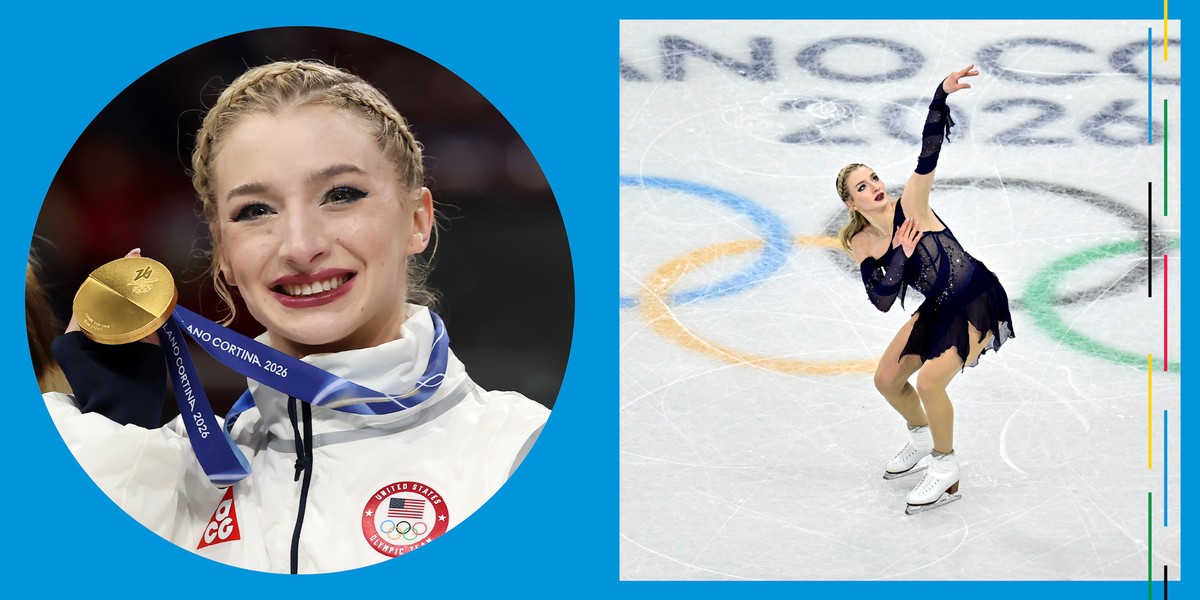
Figure skater Amber Glenn and Team USA secured a gold medal in the Olympic team event, marking the United States’ second consecutive win in the discipline. While the team’s success is undeniable, Glenn’s personal experience at the Games has been complicated by performance pressure, an unconventional competition schedule, and a surge of online hate following her public statements on US politics and LGBTQ rights.
Navigating Pressure and Recovery
Glenn admitted to feeling overwhelmed after her free skate performance on Sunday, stating she was “grateful that the team is so supportive, but I do feel guilty that I could be the reason that we don’t win the gold.” This self-doubt, combined with physical fatigue after eight days of training, led her to prioritize rest before her next competition in the women’s singles event on February 17.
“I need that rest and recovery time,” Glenn said, adding that the intensity of the Olympics had left her disoriented. “I don’t even know what day it is today or what the date is.” The pressure on elite athletes is immense, and Glenn’s vulnerability reflects the psychological toll of competing at the highest level.
An Unconventional Schedule and Mental Disorientation
Glenn’s performance was further complicated by an altered competition structure. Unlike typical singles events where skaters perform a short program followed by a free skate with a 24-hour gap, she skated a free skate immediately after teammate Alysa Liu’s short program. This disrupted her mental preparation, as she usually processes the short program before the free skate.
“If I’m going to be completely honest…by the time I’m doing my ending spin in the short, I’m like, ‘Oh, okay, so this is how it feels,’” she explained. The sudden shift left her feeling “tossed out” and unprepared.
Facing Online Hate and Defiance
Glenn’s experience wasn’t limited to athletic challenges. After speaking out about President Trump’s treatment of the LGBTQ community, she received a flood of threats and hate online. In response, she announced her temporary withdrawal from social media.
“I was disappointed…I’ve never had so many people wish me harm before just for being me,” she stated. Despite the backlash, Glenn maintains that the online harassment didn’t directly impact her performance, though it clearly diminished her excitement for the Games.
This highlights a growing trend: athletes are increasingly vocal on social issues, which exposes them to organized hate campaigns. The intersection of sports, politics, and social media is becoming unavoidable.
Moving Forward with Resilience
Despite these obstacles, Glenn remains determined. She plans to recharge at the Ice Lab training center in Bergamo, Italy, before returning to competition.
“I just need to get some rest and be me,” she said, emphasizing her need for recovery and mental clarity. “I know what to adjust, and I am looking forward to it.”
Glenn’s Olympic journey demonstrates that success isn’t just about medals; it’s about navigating pressure, adapting to chaos, and standing firm in the face of adversity. Her gold medal with Team USA is a testament to her skill, but her resilience against both physical and social challenges defines her as an athlete and a person.