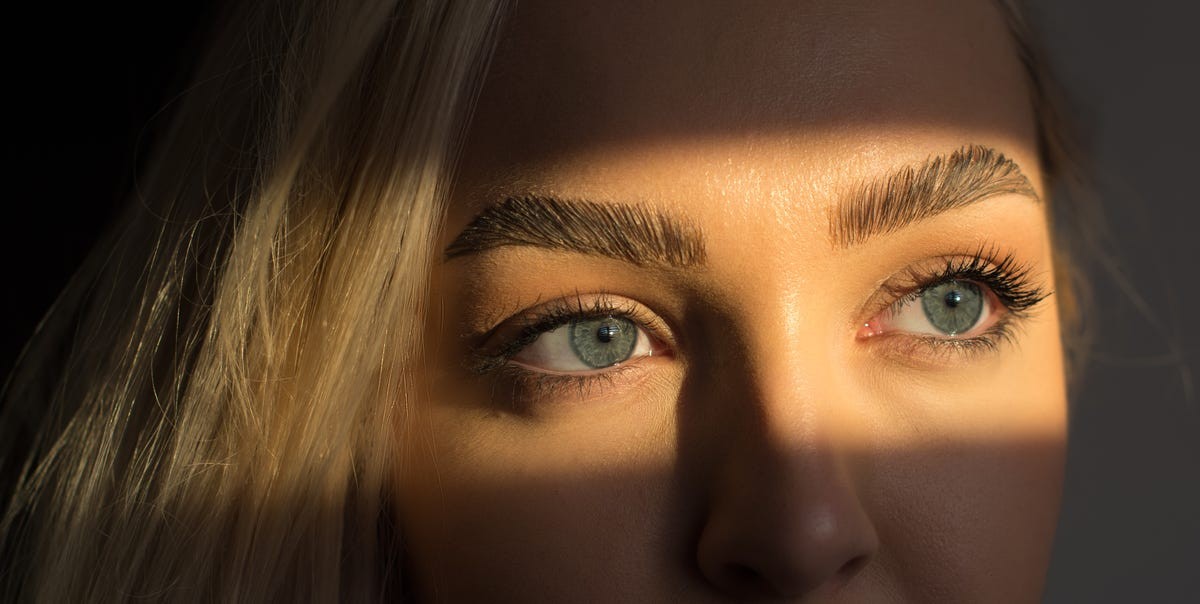
For years, many have struggled with sparse or uneven eyebrows, relying on time-consuming makeup routines to achieve a fuller look. Today, semi-permanent cosmetic treatments like microblading and microshading offer a streamlined solution. Both have become popular, yet they differ in meaningful ways. Understanding these differences is crucial, as the ideal technique depends on individual skin type, desired aesthetic, and long-term maintenance.
What is Microblading?
Microblading involves using a handheld blade with ultra-fine needles to deposit pigment into the skin, creating hair-like strokes. The goal is to mimic natural brow hairs, resulting in a fuller, fluffier appearance. The process includes several key steps:
- Preparation: The artist applies a numbing agent for up to 25 minutes to minimize discomfort.
- Mapping: A precise outline is created using wax pencil and measuring tape, with reference photos guiding the desired shape.
- Microblading: The artist uses a small blade dipped in pigment to create individual strokes.
- Post-Care: Red light therapy (optional) can speed healing, followed by a medical-grade wound dressing to prevent scarring.
Immediately after, brows may appear darker than expected, but they fade over three weeks. Sun exposure should be limited to ensure proper pigment settling.
Microblading is best suited for: individuals with normal to dry skin, lighter skin tones, and fine hair. Those with oily skin may find the pigment lifts quickly, while mature skin may yield less predictable results.
What is Microshading?
Microshading, also known as powder brows or ombre brows, uses a dotting technique to create a fuller look without individual hair strokes. This method is highly customizable: denser dots create bolder brows, while spaced-out dots result in a softer tint.
The procedure follows a similar preparation to microblading, with numbing agent and mapping. However, microshading penetrates less deeply, making it less painful, especially for sensitive skin. The artist uses a fine blade to deposit pigment, building intensity as needed.
Microshading is ideal for: all skin types, including combination and oily skin. Its gentler approach also makes it a good option for those with sensitive or mature skin. The technique allows for a subtle, makeup-like appearance or a bolder, more defined brow, depending on preference.
Cost and Maintenance
Both procedures range in price from $200 to $5000, depending on artist experience and location. High-quality pigments and equipment justify higher costs, as cheaper options may result in fading or discoloration over time.
Maintenance appointments (every 18-24 months) are necessary to refresh the pigment. Overfrequent touch-ups can darken brows over time, so a balanced approach is recommended.
DIY Risks and Professional Expertise
Attempting microblading or microshading at home is strongly discouraged. Untrained hands with sharp blades pose infection risks and potential scarring. Qualified professionals use sanitized equipment and follow strict protocols.
When choosing an artist, review their portfolio for consistent results and verify their credentials (licenses, certifications). A reputable professional will readily provide proof of qualifications.
Conclusion:
Microblading and microshading both provide effective solutions for fuller, defined brows. Microblading excels at mimicking natural hair strokes for those with compatible skin types, while microshading offers versatility and suitability for all skin tones. Regardless of the chosen technique, selecting a qualified artist and following proper aftercare is vital for safe, long-lasting results.