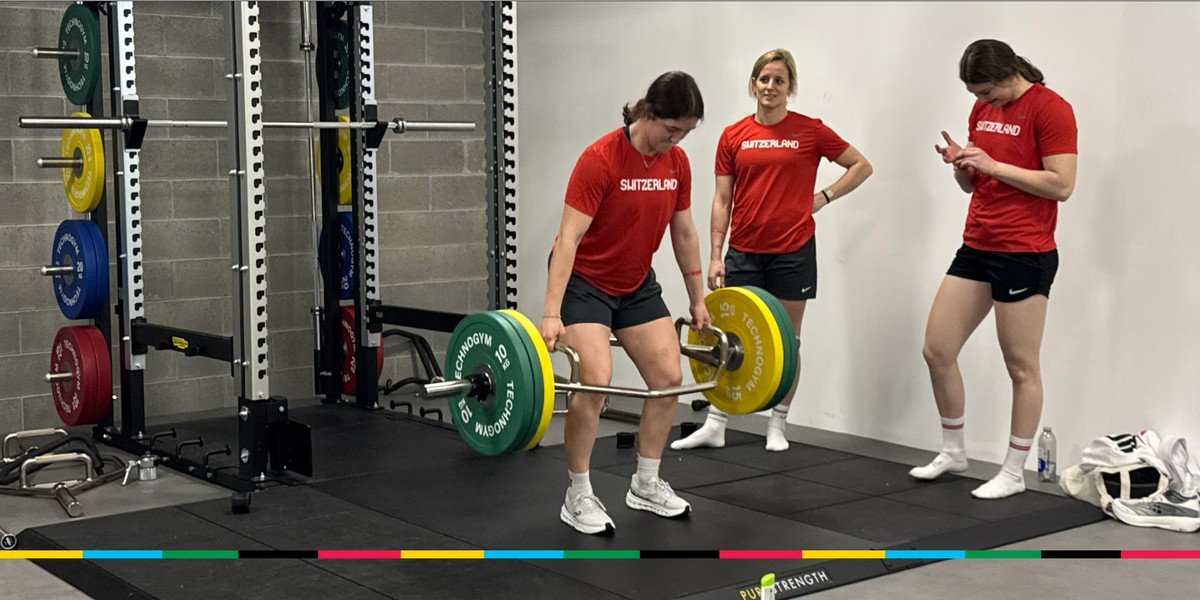
The image of athletes pushing themselves to the absolute limit inside Olympic Village gyms is a myth. By the time competitors arrive at the Winter Games, the most grueling part of their training is already over. Instead, these exclusive fitness spaces function as high-tech maintenance hubs, focused on preserving peak condition rather than building it.
The Shift from Progression to Preservation
Enrico Manaresi, Technogym’s global head of communication (the official equipment partner of the Olympics), explains that athletes arrive with “the big chunk of the work” completed months prior. The goal at the Games isn’t to get stronger; it’s to stay strong, flexible, and injury-free. Winter athletes put extreme stress on their bodies, and the Village gyms are designed to mitigate that strain.
Workouts center on light cardio, mobility exercises, and stretching—a far cry from the brutal conditioning many assume. Athletes prioritize active recovery over progression, using tools like stationary bikes, cable machines, and increasingly, Pilates reformers.
Pilates and AI: The New Olympic Essentials
For the first time, Pilates equipment (specifically Technogym reformers) has become a fixture in Olympic Village gyms. Speed and figure skaters, in particular, are using them for deep core work and flexibility. This reflects a broader trend towards holistic training that prioritizes joint health and balance.
The arrival of AI-powered fitness evaluation is another major shift. Technogym Checkup assesses athletes’ body composition, cardiovascular endurance, strength, flexibility, balance, and reflexes in just 20 minutes. The AI then generates personalized training programs designed to maximize marginal gains. The system even integrates with Technogym’s smart equipment, automatically adjusting load based on individual profiles.
This tech isn’t limited to Olympians; it’s rolling out to premium fitness clubs worldwide, democratizing access to data-driven training.
Beyond the Games: Leaving a Fitness Legacy
Historically, Olympic equipment was repossessed after the event. However, there’s a growing push to leave a lasting impact on host communities. The “Let’s Move for Milano Cortina” campaign encourages collective movement logging, with the goal of installing new outdoor gyms in Milan and Cortina if 100 million “MOVEs” are recorded.
The Olympic Village gyms are less about peak performance and more about preserving it. The real work happens years before the Games begin, and the focus inside these exclusive spaces is on maintaining condition, not breaking it.
The reality of Olympic training is more nuanced than many realize. These aren’t spaces where records are broken; they’re where athletes ensure they don’t fall apart under pressure.