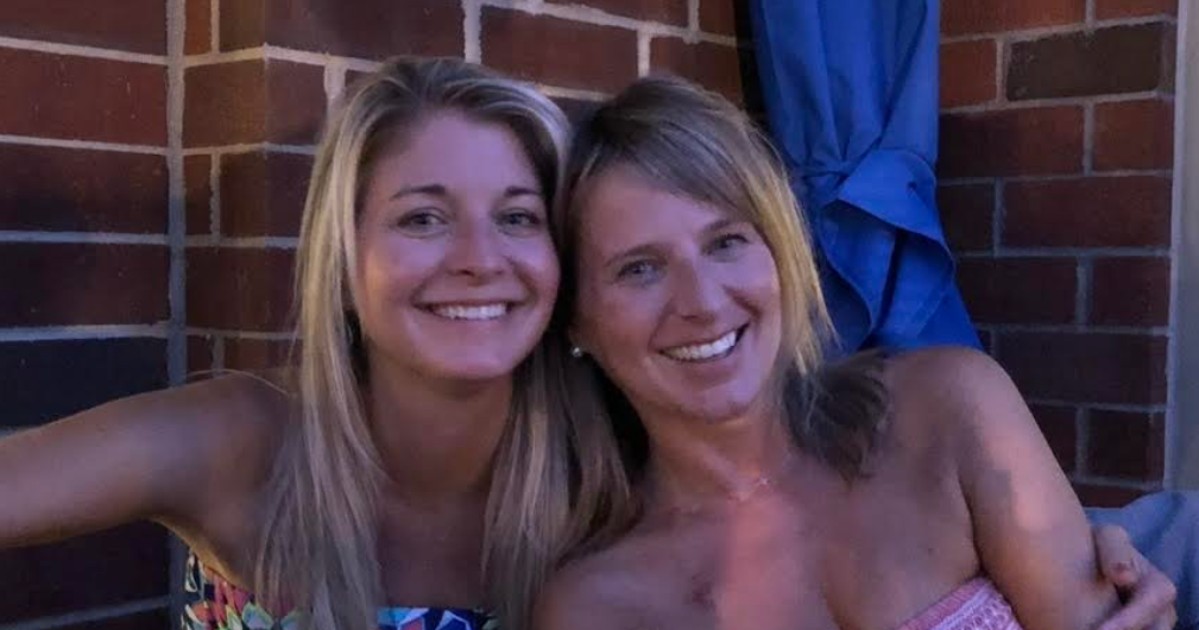
The only fitting moment to ask a loved one to die might be when they already are dying. That’s where I found myself on Rare Disease Day, sitting beside my sister, Kim, in hospice. The date was February 29th, a leap year anomaly.
I tried for nonchalance. “It’s Rare Disease Day today,” I said. Kim, ever the realist, saw through my act instantly. She knew I was terrible at pretending.
The idea was simple, brutally so: Kim was already fading from a combination of aggressive cancers – appendix, stomach, and a rare tumor on her ovary with a near-zero survival rate. Her battle had been extraordinary, outliving expectations after a radical surgery (HIPEC) that left her walking her sons to kindergarten against all odds. But now, the cancer had returned, and all treatments had failed.
The question wasn’t if she would die, but when. The hospital had given up on research for her condition, deeming it too rare to warrant effort. Chemotherapy only weakened her further. As she lay drugged in hospice, I floated the idea: “Isn’t it interesting that it will be four years before your boys have to wake up on Feb. 29 again?”
She called me out. “Are you suggesting I should try to die today?”
I feigned offense, but we both knew the truth. It wasn’t about wanting her dead; it was about a grim recognition that death was inevitable, and maybe, just maybe, a symbolic end on a day dedicated to rare conditions felt…fitting.
Kim had already stared down the barrel of death for years. She underwent a procedure so extreme it earned the nickname “the mother of all surgeries.” She walked her kids to school after it. She beat the odds again and again. But the cancer kept coming back, each time more relentless than before.
Her final stand involved experimental treatments that didn’t work. Her body began destroying its own blood cells, forcing her onto constant transfusions. She joked about paying back the blood bank, and we turned it into a movement – “A Pint for Kim” – a blood drive to honor her legacy.
But even with transfusions, she was weakening. She stopped treatment, and hospice was the next step.
The absurdity of it all hit me hard. Kim, always strong-willed, even suggested flirting with visitors while hooked up to machines. She didn’t seem like someone who was about to die.
I asked the doctors why it was taking so long, and they admitted she was surprisingly healthy otherwise. A strong mind, lungs, and heart. But her body was giving out.
Watching her slowly slip away was unbearable. Maybe part of me wanted it over, wanted the pain to end. So I asked her, again, on Feb. 29th: “I’ll try to die today.”
She replied: “OK.”
The next morning, she barely woke up. By March 3rd, she was gone, three days too late for the symbolic end she might have chosen.
But her legacy lived on. The blood drive set a state record, breaking it every year since. Kim, who never complained, who always served others, left behind a final act of kindness. She taught us that even in the face of death, love and service matter most.
Her journal summed it up: “We are not here for ourselves. We are here to love and serve others.” Kim’s story is a reminder that even in the darkest moments, grace and selflessness can shine through.