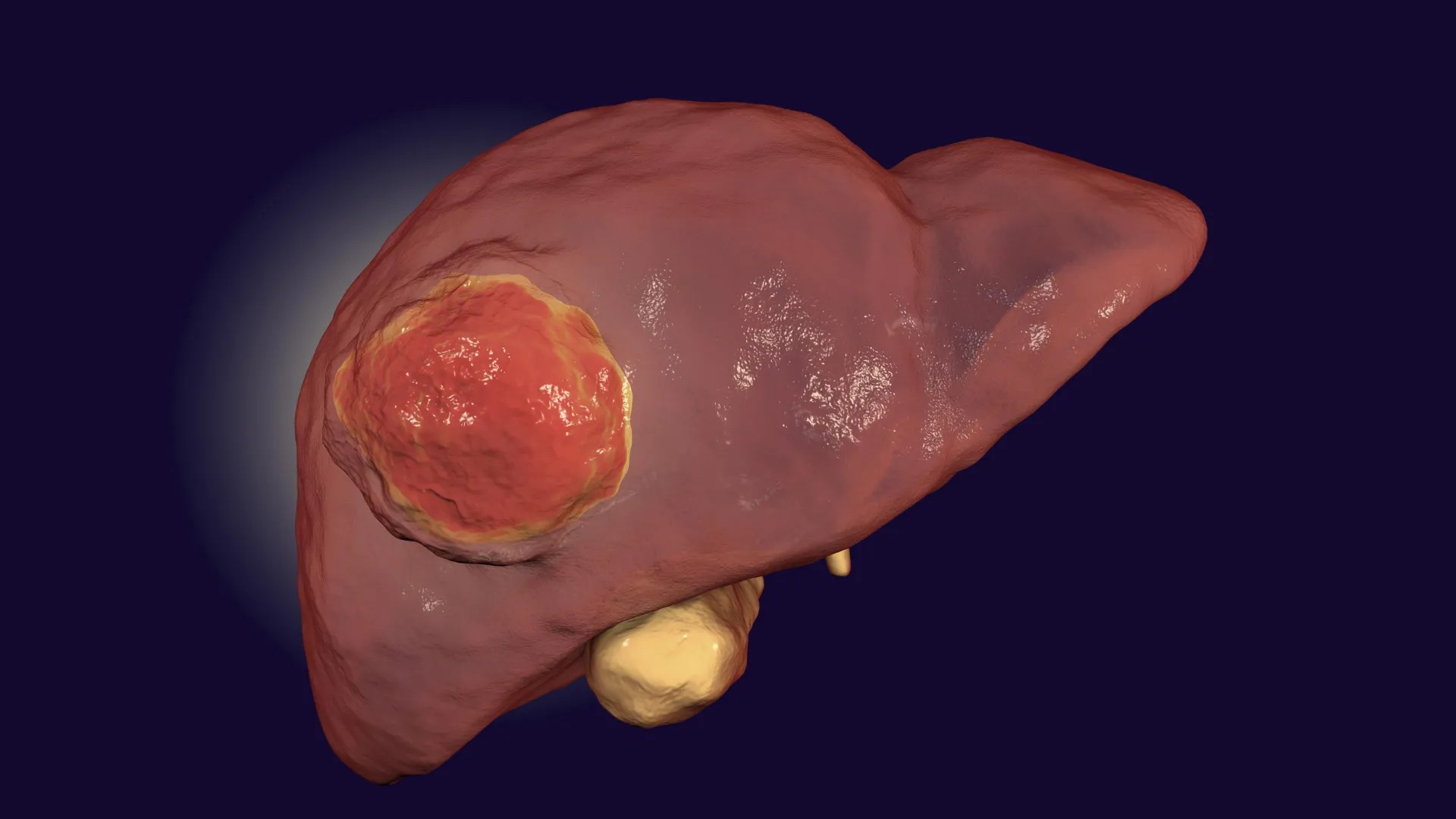
New research from Rutgers University indicates that reducing protein intake could slow the growth of liver cancer, particularly in individuals with compromised liver function. The study, published in Science Advances, demonstrates how a liver unable to efficiently process metabolic waste can inadvertently create conditions that foster tumor development.
The Deadly Toll of Liver Cancer
Liver cancer remains one of the deadliest forms of primary cancer in the U.S., with a grim five-year survival rate of just 22%. The American Cancer Society estimates approximately 42,240 new cases and 30,090 deaths in 2025. This makes liver cancer a significant public health concern.
The burden extends beyond diagnosed cases. Roughly one in four adults in the U.S. suffers from fatty liver disease, a condition that, alongside viral hepatitis and excessive alcohol consumption, dramatically increases the risk of cirrhosis and subsequent cancer. These underlying conditions create a large population susceptible to the disease.
How Protein Metabolism Fuels Cancer Growth
The study’s key finding centers on the body’s handling of ammonia, a toxic byproduct of protein breakdown. The liver normally converts ammonia into urea for excretion, but impaired liver function disrupts this process. Researchers have long observed that liver cancer patients struggle with ammonia processing, but the causal link remained unclear until now.
Experiments on mice revealed that inhibiting ammonia-processing enzymes led to increased tumor growth and decreased survival rates. The excess ammonia was found to be incorporated into essential compounds—amino acids and nucleotides—that cancer cells use to proliferate.
“The ammonia goes into amino acids and nucleotides, both of which tumor cells depend on for growth,” explained study senior author Wei-Xing Zong.
Low-Protein Diets Show Promise in Animal Models
The Rutgers team then tested whether reducing protein intake could mitigate ammonia buildup. Mice fed a low-protein diet exhibited significantly slower tumor growth and extended lifespans compared to those consuming normal protein levels. This suggests that limiting nitrogen intake can directly reduce the supply of ammonia, thereby starving tumor cells.
For individuals with healthy livers, high protein intake is generally harmless, as the organ efficiently processes ammonia. However, the findings are particularly relevant for those with pre-existing liver damage or functional impairments.
The Need for Medical Guidance
Experts emphasize that dietary changes should be discussed with a healthcare professional. Cancer treatment often recommends increased protein to maintain muscle mass, but for patients with impaired liver function, lowering protein intake could be beneficial.
“Reducing the protein consumption may be the easiest way to get ammonia levels down,” Zong stated. Ultimately, the optimal approach will depend on individual health status and liver function.
Conclusion: The study provides compelling evidence that manipulating protein intake could represent a novel strategy for managing liver cancer, particularly in patients with compromised liver function. While further research is needed, these findings underscore the critical link between metabolic processes and tumor growth, opening new avenues for dietary interventions.