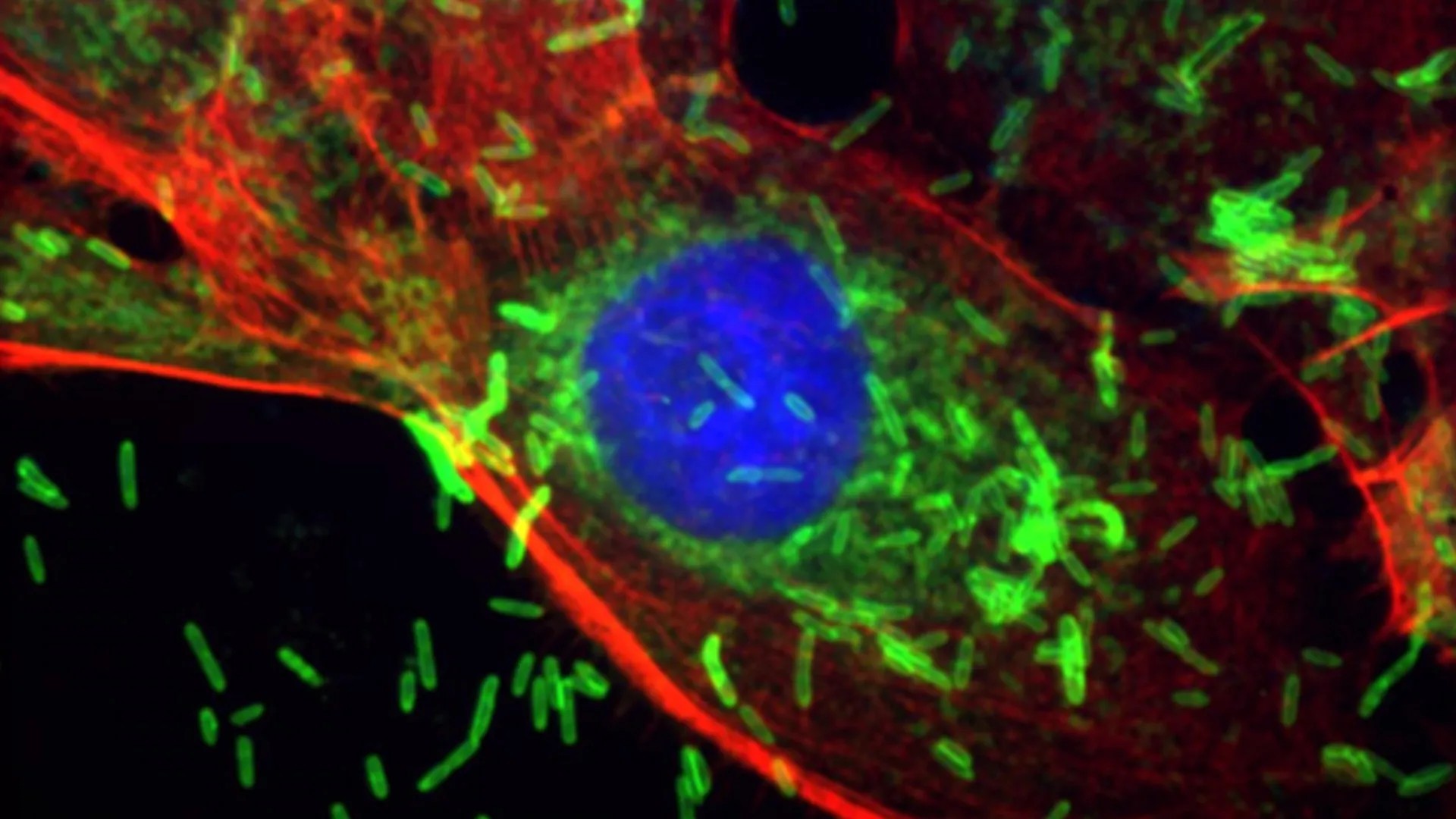
A common oral bacterium, Fusobacterium nucleatum, has been directly linked to increased breast cancer growth and spread in new research. The findings, published in Cell Communication and Signaling, suggest a previously underappreciated connection between oral health and the progression of this deadly disease.
The Link Between Oral Microbes and Breast Cancer
Researchers have long observed correlations between periodontal (gum) disease and elevated breast cancer risk in epidemiological studies. This new study dives deeper, demonstrating that F. nucleatum can migrate from the mouth into breast tissue, where it triggers inflammation and cellular changes. The bacterium doesn’t just correlate with cancer; it appears to actively worsen it. The study was inspired by numerous smaller trials showing a connection between poor oral hygiene and the development of breast cancer.
How the Bacterium Promotes Cancer
Experiments conducted on mouse models and human breast cancer cells reveal a clear mechanism:
- Inflammation and Cellular Changes: F. nucleatum induces metaplastic and hyperplastic lesions in breast ducts—noncancerous changes that nevertheless prime the tissue for malignancy.
- DNA Damage: The bacterium damages cellular DNA, activating error-prone repair systems like nonhomologous end joining, which can introduce mutations.
- Increased Tumor Aggression: Exposure to the bacterium boosts cancer cell movement, invasion, and resistance to chemotherapy. The bacterium increases levels of a protein called PKcs, which enhances these effects.
Genetic Predisposition Amplifies Risk
The study found that cells carrying BRCA1 mutations are particularly vulnerable to F. nucleatum. These cells express higher levels of a sugar called Gal-GalNAc, which helps the bacterium attach and invade, intensifying DNA damage and cancer progression. This suggests that individuals with inherited genetic vulnerabilities may face an even higher risk when exposed to this oral pathogen.
Implications for Oral Hygiene and Cancer Prevention
The findings emphasize that cancer development isn’t solely determined by genetics or lifestyle; environmental factors, such as oral health, can play a significant role. While more research is needed, maintaining good oral hygiene could potentially reduce breast cancer risk, especially in genetically susceptible individuals. This study highlights the importance of considering the microbiome—the collection of bacteria within our bodies—as a key factor in cancer progression.
The study was funded by grants from the Breast Cancer Research Foundation, Congressionally Directed Medical Research Programs Department of Defense Breast Cancer Research Program, the John Fetting Fund for Breast Cancer Prevention, and the Bloomberg~Kimmel Institute for Cancer Immunotherapy.