Thrift shopping is a great way to reduce waste and save money, but some kitchen items are best bought new. Food safety and hygiene are key when it comes to cookware, and certain secondhand finds pose unnecessary risks. Here’s what to skip, why, and what alternatives to consider.
Cutting Boards: A Breeding Ground for Bacteria
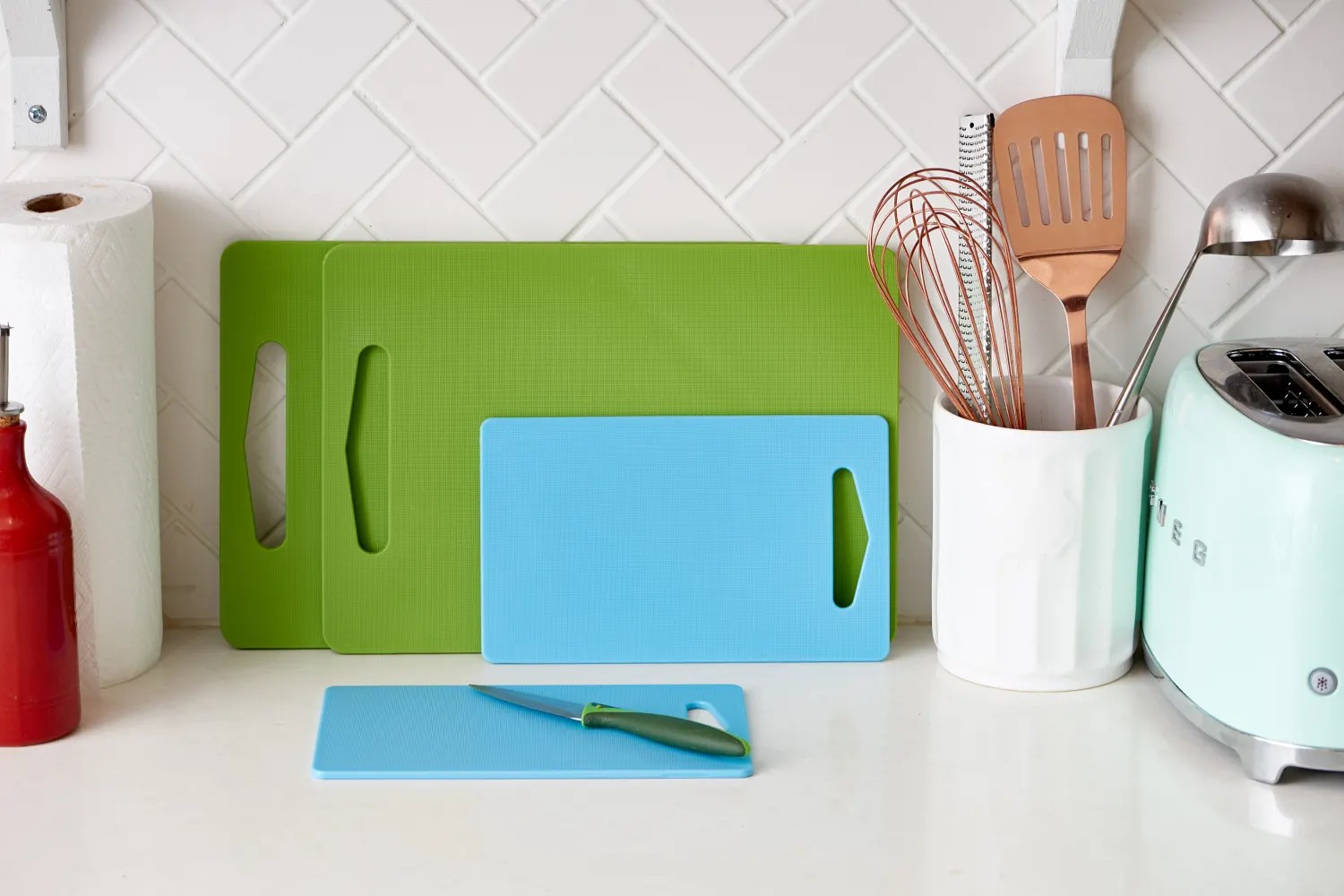
Cutting boards, especially plastic ones, are difficult to fully sanitize. The U.S. Department of Agriculture recommends replacing them when they become excessively worn or grooved. Buying secondhand means you can’t guarantee proper care, increasing the risk of lingering bacteria. For peace of mind, always buy cutting boards new. A composite cutting board, like those from Epicurean, is a durable and food-safe option.
Vintage Corningware and Pyrex: Lead Contamination Risk
Vintage Corningware and Pyrex dishes made before the 1970s (and some as late as 2011) may contain lead in decorative paint. Lead can transfer into food, especially if the cookware is scratched or worn. Unless you can verify a piece’s manufacturing date, avoid vintage Corningware and Pyrex. If you can’t resist a beautiful vintage piece, use it for display only, not for cooking. Modern Pyrex and Corningware are safer alternatives.
Nonstick Pans: Microplastic Exposure
The nonstick coating on Teflon pans degrades with use, releasing microplastics into food as it wears down. Food safety experts recommend replacing these pans as soon as they show scratches. Avoid secondhand nonstick pans altogether. Ceramic and stainless steel cookware are safer, more durable, and ultimately more cost-effective. Brands like GreenPan offer excellent alternatives.
Plastic Food Storage: Bacterial Growth and Unknown Degradation
Secondhand plastic food containers may harbor bacteria or degrade over time. Aging plastic can leach harmful chemicals into food. Unless a container is clearly labeled as food-safe and in perfect condition, skip it. Glass food storage containers, such as those from Bentgo, are a safer choice, whether new or secondhand.
Appliances: Electrical Hazards and Outdated Warranties
Thrifted small kitchen appliances (toasters, coffee makers, air fryers) may have hidden electrical damage, outdated warranties, or internal issues. These pose a risk of fire or shock. It’s best to avoid secondhand appliances entirely to ensure safety and reliability.
Safe Bets: What to Buy Secondhand
Not all kitchen finds are risky. These items are easy to clean, durable, and often plentiful in thrift stores:
- Glass jars
- Cutlery
- Measuring spoons and cups
- Drinking glasses and mugs
- Unitaskers (gadgets like melon ballers)
- Vintage kitchen decor and cookbooks
Bottom line: while thrifting can be eco-friendly and budget-conscious, certain kitchen items are better bought new to safeguard your health. Prioritize food safety by avoiding secondhand cutting boards, vintage cookware with potential lead contamination, worn nonstick pans, questionable plastic storage, and potentially hazardous appliances.