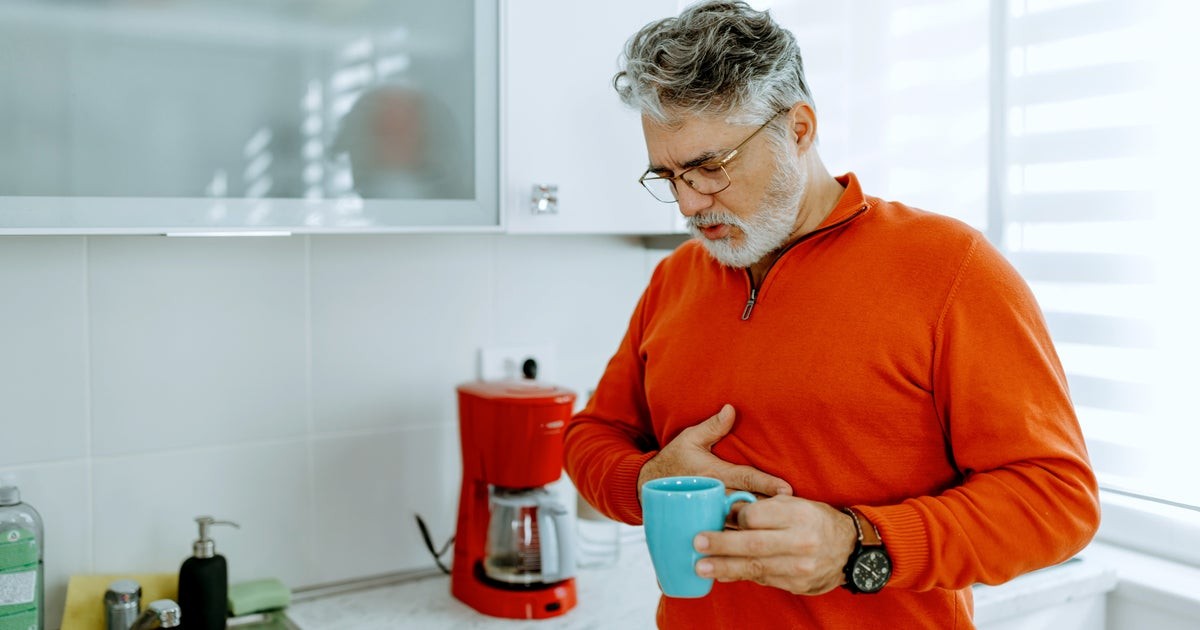
As we grow older, we often notice physical changes that feel like “glitches” in our biology: joints that creak, slower recovery times, and perhaps most frustratingly, a digestive system that no longer seems to function with its former efficiency.
According to the National Institutes of Health, between 60 million and 70 million Americans suffer from digestive diseases. While gastrointestinal (GI) issues can strike at any age, they become increasingly prevalent as we get older. Understanding why this happens—and how to mitigate it—is key to maintaining long-term health.
The Biological Mechanics of Aging Gut Issues
Digestive discomfort is rarely caused by a single factor; rather, it is a complex intersection of biological aging, lifestyle changes, and medical management.
1. Structural and Neurological Changes
The digestive process relies on a highly coordinated dance between nerves and muscles. As we age, these signals can become “haphazard.”
* Esophageal Reflux (GERD): Weakened muscles in the esophagus can lead to stomach acid moving upward, causing heartburn.
* Sluggish Motility: When the stomach and small intestine move food more slowly, it can lead to indigestion and bacterial overgrowth, which often manifests as bloating and diarrhea.
* Colon Issues: Slower movement in the colon can lead to chronic constipation and diverticulosis (the formation of small sacs in the colon wall).
2. The Thinning Defense
The stomach relies on a protective lining to guard against its own acid. Aging can lead to a decrease in prostaglandins —substances that help maintain this protective barrier. As the stomach lining thins, older adults become more susceptible to inflammation, gastritis, and ulcers.
3. The “Lifestyle Loop”
Aging often brings a shift in mobility and medication use, both of which impact the gut:
* Reduced Movement: Chronic conditions like arthritis or cardiovascular disease can limit physical activity. However, as experts note, “If you don’t move, neither does your gut.”
* Medication Side Effects: Many medications used to manage age-related conditions—particularly NSAIDs (like aspirin and ibuprofen)—are notorious for causing nausea, abdominal pain, and ulcers.
Strategies to Optimize Digestive Health
While you cannot stop the aging process, you can implement several lifestyle adjustments to support your GI tract.
Refine Your Eating Habits
- Chew Thoroughly: Digestion begins in the mouth. Salivary enzymes help break down starches and fats, reducing the workload on your stomach. Aim for 15 to 20 chews per bite.
- Combat Dry Mouth: Saliva production often decreases with age or medication use. Sipping water between bites or using saliva substitutes can help facilitate easier swallowing.
- Prioritize Fiber and Plants: A diet rich in plant-based foods supports a healthy gut microbiome. High fiber intake is essential for regular bowel movements and preventing constipation.
Maintain Physical and Biological Balance
- Stay Hydrated: Fiber requires water to work effectively. A general rule of thumb is to drink roughly one-third of your body weight in fluid ounces daily.
- Move After Meals: Avoid lying down immediately after eating, which can trigger acid reflux. Instead, try a 15-minute walk to stimulate gastric emptying.
- Prioritize Sleep: Quality sleep (7–9 hours) is vital for gut immunity and preventing microscopic inflammation in the bowel.
Manage Medications Wisely
Always follow prescription instructions strictly to minimize side effects. For example, never take NSAIDs on an empty stomach, and take acid-suppressive medications as directed (often 30 minutes before breakfast).
When to Seek Medical Advice
It is easy to dismiss digestive changes as “just getting older,” but it is critical not to self-diagnose. You should consult a gastroenterologist if you experience:
* Persistent changes in bowel habits.
* Difficulty swallowing.
* Unexplained weight loss.
* Nausea or vomiting.
* Blood in your stool (or stool that appears black and tarry).
Conclusion: While aging naturally alters the mechanics of digestion, a combination of mindful eating, consistent hydration, and regular movement can significantly improve gut function and comfort.