A new trend is sweeping through social media, driven by celebrity endorsements and viral wellness content: “snorting” peptides. While the term sounds provocative, it refers to a growing interest in intranasal peptide sprays —a method of delivering amino acid chains through the nasal passages rather than via traditional injections, oral supplements, or topical creams.
What are Peptides?
To understand the hype, one must first understand the science. Peptides are short chains of amino acids that function as signaling molecules within the body. They act as messengers, instructing cells to perform specific tasks such as:
* Regulating hormones
* Repairing damaged tissue
* Managing metabolism
* Stimulating collagen production
Because of their ability to influence biological processes, they have become a cornerstone of the “longevity” movement, used by those looking to optimize everything from skin elasticity to metabolic health.
The Shift to Nasal Delivery
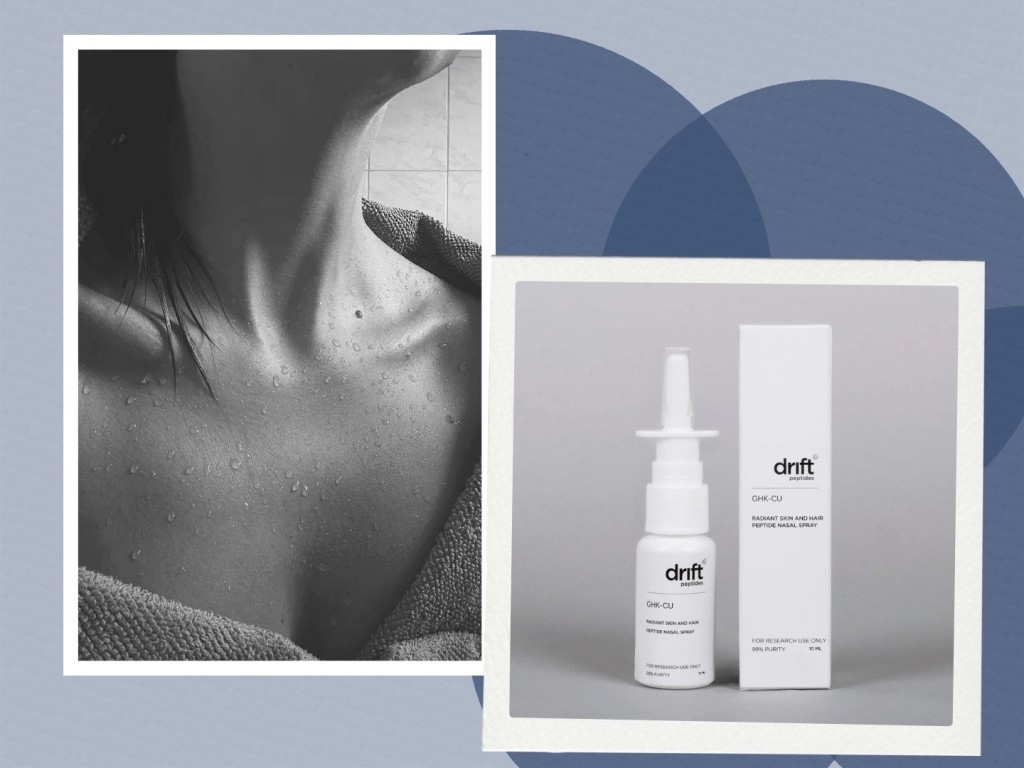
Traditionally, peptides are consumed through pills or applied as skin creams. However, the rise of intranasal sprays—such as the Drift Peptides GHK-CU —offers a different approach.
The primary appeal of nasal delivery is convenience and the perception of efficiency. Proponents suggest that bypassing the digestive system or the needle can lead to faster or more direct absorption. However, experts urge caution. Jay Campbell, co-founder of BioLongevity Labs, notes that most peptides are engineered for specific delivery routes.
“People may snort peptides because they believe it leads to faster absorption or avoids injections… However, using them intranasally can make absorption unpredictable,” Campbell warns.
A Guide to Common Peptides
As the market expands, different peptides target different biological needs. Here is a breakdown of the most prominent types currently circulating in the wellness industry:
- Copper Peptides (GHK-CU): Primarily used for skin firming and promoting healthier hair growth.
- Matrixyl (Palmitoyl Pentapeptide-4): A staple in anti-aging, designed to trigger collagen production.
- Argireline (Acetyl Hexapeptide-8): Often referred to as a topical alternative to Botox, it helps smooth fine lines and wrinkles.
- Tetrapeptides: Focused on reducing inflammation and accelerating tissue repair.
- GLP-1s (Glucagon-like peptide-1): A different class of peptide used medically to manage type 2 diabetes and weight regulation.
Risks and Considerations
While the convenience of a nasal spray is attractive, the method is not without potential downsides. Because the nasal mucosa is delicate, users may experience:
* Nasal irritation and inflammation
* Occasional nosebleeds
* Inconsistent dosing (due to the difficulty of measuring exact amounts absorbed through the nasal lining)
The effectiveness of these products often relies on the quality of the formulation and adherence to strict usage protocols to minimize these side effects.
Conclusion
The move toward intranasal peptides represents a shift in how consumers approach biohacking and beauty, prioritizing convenience and rapid delivery. However, as with any trend driven by social media, the unpredictability of nasal absorption means users should prioritize science-backed formulations over viral hype.