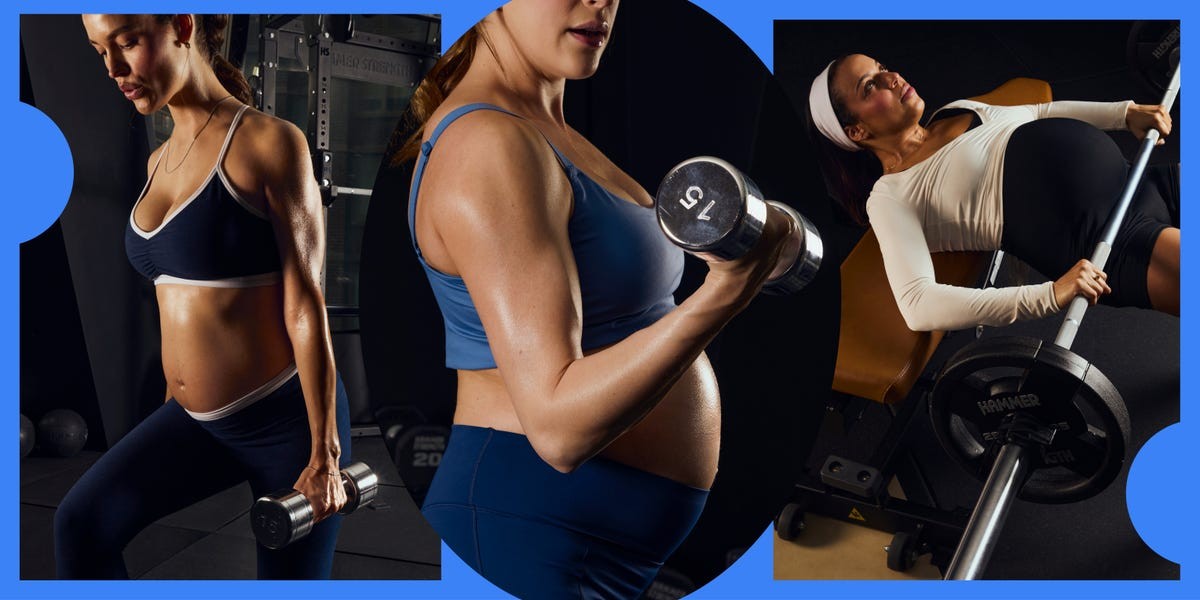
For generations, the standard advice for pregnant women has been remarkably consistent: slow down, scale back, and avoid heavy lifting. This cautious approach, often delivered with the best intentions, is rooted in an outdated perception of the pregnant body as inherently fragile.
However, modern science is finally challenging these long-held beliefs. Recent research suggests that instead of being a period of forced inactivity, pregnancy can—and often should—be a time of maintaining physical strength and functional movement.
The Gap Between Science and Experience
Despite the evolving research, a significant disconnect remains between medical reality and the lived experience of many women. Even for those well-versed in health and fitness, the lack of clear, consistent guidance often leads to:
- Self-doubt: Questioning whether a previously safe routine is now dangerous.
- Confusion: Navigating vague or overly cautious advice from different sources.
- Fear-based decision-making: Avoiding movement altogether due to a lack of actionable information.
This confusion is not just a personal issue; it is a systemic one. When guidance is rooted in fear rather than physiology, it prevents women from accessing the physical and mental benefits of regular exercise during one of the most transformative stages of life.
A Modern Approach to Strength
A contemporary approach to prenatal and postpartum fitness does not advocate for “pushing through the pain” or maintaining an extreme “beast mode” intensity. Instead, it focuses on individualized strength.
The goal is to move away from rigid, one-size-fits-all rules and toward a flexible framework that prioritizes:
- Autonomy: Meeting your body where it is at any given moment.
- Adaptability: Knowing when to lift heavy and when to modify, rest, or prioritize recovery.
- Functional Health: Addressing specific needs such as pelvic floor health, core stability, and managing fluctuating energy levels.
- Medical Alignment: Ensuring that all movement is balanced with professional medical advice and specific contraindications.
Why Context Matters
Understanding the why behind exercise is just as important as the how. Strength training during pregnancy isn’t just about aesthetics; it is about preparing the body for the physical demands of labor, the physiological shifts of the third trimester, and the intense physical recovery required in the postpartum period.
By shifting the conversation from “what you can’t do” to “how you can adapt,” we replace fear with confidence. This transition allows women to navigate pregnancy not as a period of vulnerability to be managed, but as a period of strength to be maintained.
Conclusion
Modern pregnancy fitness is about replacing outdated caution with evidence-based empowerment. By focusing on individual needs and functional strength, women can maintain their physical agency through every stage of motherhood.