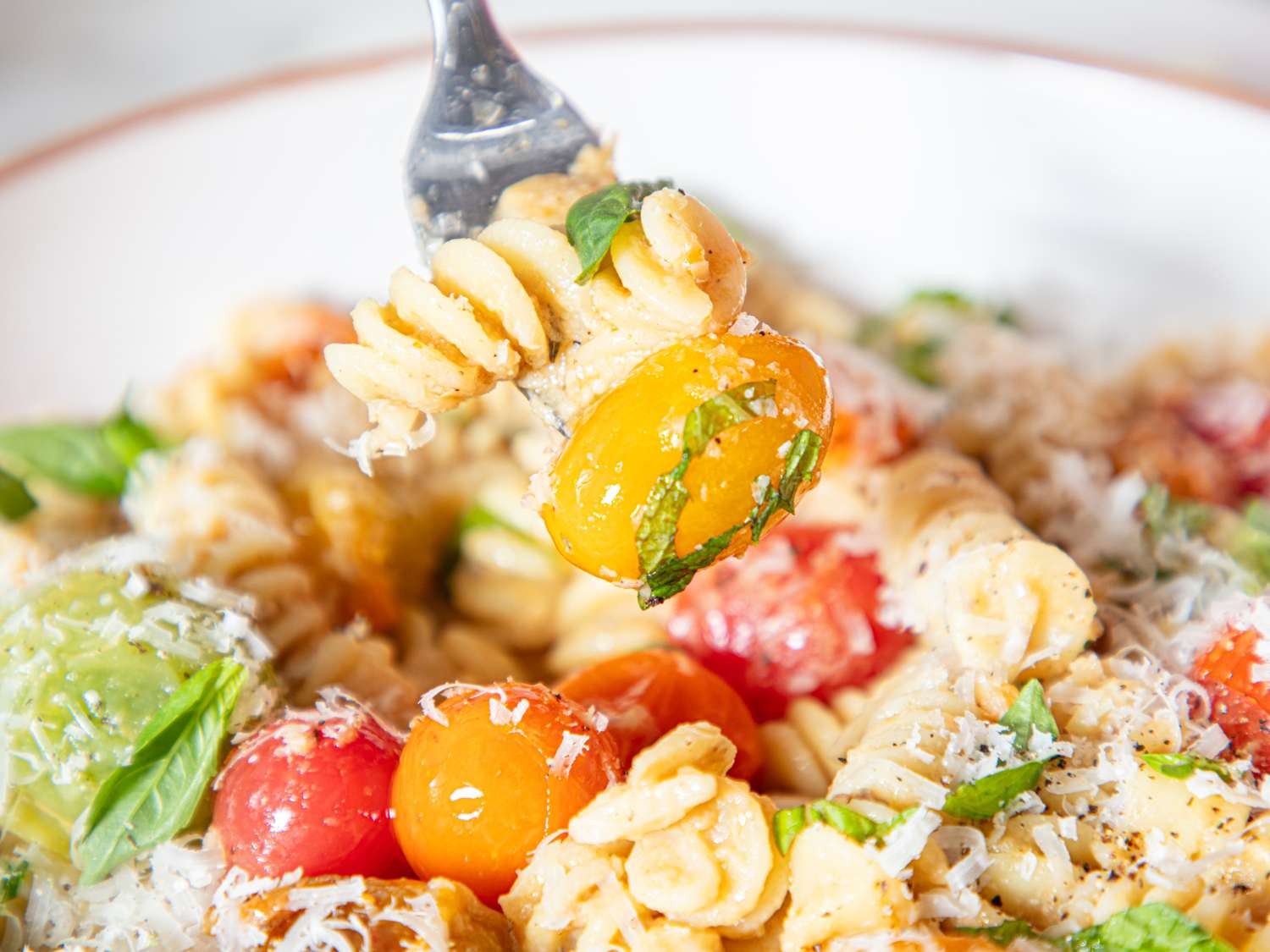
Traditional mezze—those vibrant Middle Eastern dips like baba ghanoush, muhammara, and labneh—are typically the centerpiece of a leisurely, communal feast. They are designed for scooping with torn bread and lingering conversation. However, these rich, flavorful spreads do not have to be confined to appetizer plates. By leveraging a few pantry staples and the starchy water from boiling pasta, you can transform a simple tub of store-bought dip or leftover homemade batch into a sophisticated, restaurant-quality pasta sauce in under ten minutes.
This technique bridges the gap between convenient weeknight cooking and complex flavor profiles. It relies on the principle of emulsification : using the starch in pasta water to loosen thick dips, allowing them to coat noodles evenly rather than sitting in clumps. The result is a meal that feels deeply grounding and far more ordinary than it actually is.
The Smoky Route: Baba Ghanoush and Mutabal
Baba ghanoush and its smoother cousin, mutabal, are excellent candidates for this transformation because of their inherent richness and smokiness.
- Baba Ghanoush: Typically made with roasted eggplant, this dip often retains a chunky texture and a distinct charred flavor.
- Mutabal: This variation is usually silky-smooth and features a more prominent tahini (sesame paste) profile.
How to make it work:
1. Warm the dip in a pan with a generous splash of olive oil and minced garlic.
2. Add a splash of starchy pasta water to loosen the consistency.
3. Toss directly with hot, cooked pasta.
4. Finish with a squeeze of fresh lemon juice to cut through the richness, followed by a shower of grated Parmigiano-Reggiano.
For an added layer of freshness, consider adding blistered cherry tomatoes and chopped fresh herbs. The smoky depth of the eggplant pairs beautifully with the acidity of the tomatoes and the savory punch of the cheese.
The Nutty Route: Muhammara
Muhammara, a Syrian dip made from roasted red peppers, walnuts, breadcrumbs, and pomegranate molasses, offers a different flavor profile: sweet, tangy, and nutty.
Why it works:
The natural sweetness of the roasted peppers and the earthiness of the walnuts create a luxurious base. The pomegranate molasses provides a necessary acidic “pop” that prevents the dish from feeling heavy.
Preparation tips:
* Loosen the thick dip with pasta water and a drizzle of olive oil until it reaches a silky, clinging consistency.
* Toss with pasta to ensure every noodle is coated in the sweet-rich sauce.
* Top with grated Parmesan cheese. The salty, savory edge of the cheese balances the sweetness of the peppers and the tang of the pomegranate, rounding out the flavor profile.
The Creamy Route: Labneh
Labneh, a thick, strained yogurt cheese, provides a vegetarian alternative to traditional cream sauces, reminiscent of macarona bil laban (pasta with milk/yogurt).
The Method:
1. Stir the labneh directly into hot pasta.
2. Gradually add reserved pasta water while stirring vigorously. The heat and starch will thin the yogurt into a creamy, luscious sauce without curdling.
3. Garnish with fresh mint or parsley, toasted pine nuts, and a drizzle of robust, fruity olive oil.
Conclusion
Turning a jar of mezze into a pasta dish is more than just a time-saving hack; it is a way to elevate everyday ingredients into something special. By understanding how to balance textures and flavors with simple additions like lemon, cheese, and olive oil, you can create meals that are both quick to prepare and deeply satisfying. Next time you reach for a dip, consider the pot of boiling water on your stove—you might just have dinner ready in minutes.