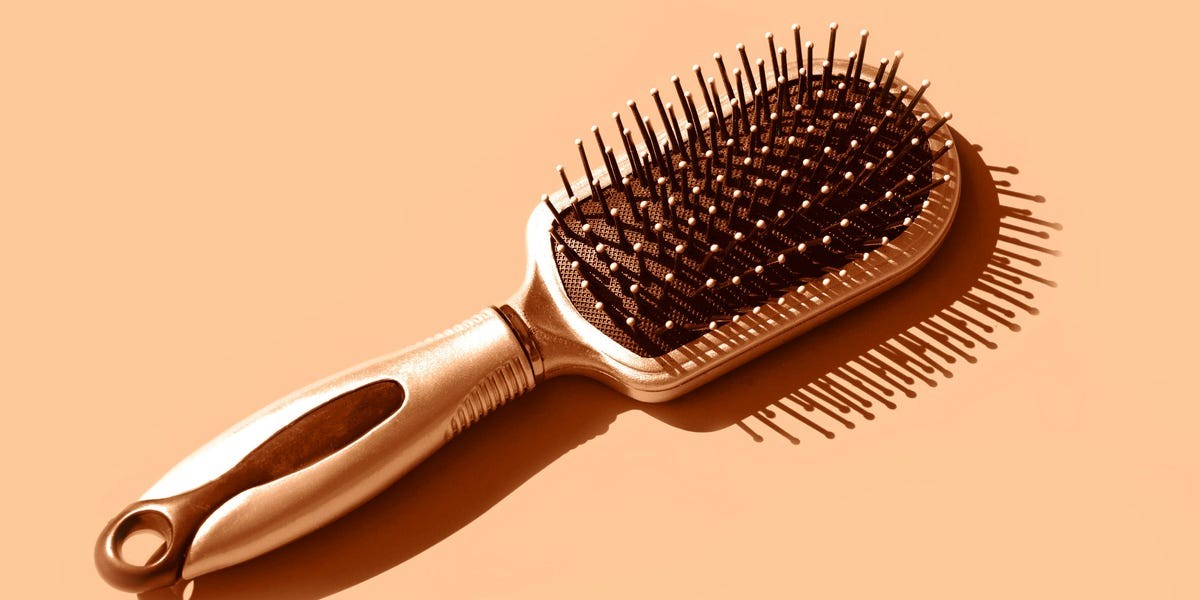
Makeup brushes get scrubbed. Toothbrushes get swapped every few months, usually because dentists yell about it. Hairbrushes?
They just sit there. Gathering filth.
It breaks the brain a little, really. But yes, that wooden paddle in your shower deserves maintenance too. Kerry E. Yates gets it. She runs a beauty brand company and points out the obvious thing we ignore: your hair catches everything. Air. Dust. Hands touching it all day. Imagine a bath towel, soaked in grime, used repeatedly without a wash. Now imagine brushing your head with that.
Yuk.
Think of a brush like your towel.
The experts, including Matty Leadabrand from New York City and dermatologist Jack Levy, aren’t asking for much. Just a bit of care. It keeps your scalp healthy. It keeps the brush working. Bristles coated in old gel and dirt snag your hair. Clean ones glide.
Here is why you need to stop ignoring this chore.
The Dirt Reality
Bacteria love warm, oily places. Your scalp fits the description. A dirty brush transfers that bacteria back onto you, leading to inflammation. Your scalp has a microbiome—tiny ecosystems living in the pores. Mess with that balance using harsh sulfates or even olive oil, and things go sideways. Dryness. Itch. Dandruff.
Jack Levy, MD, sees it as soil quality. A flower bed needs good earth to grow good flowers. The scalp is the earth. Hair is the flower. Inflammation hurts the soil. Cleaning your brush helps fix it. Simple biology.
And the hair itself suffers. Old product buildup redeposits on your strands every time you brush. Freshly washed hair feels grimy. Why? You just painted old gunk on top of new cleanliness. Leadabrand says the bristles can’t do their job when they are clogged. Detangling becomes a wrestling match.
How to Actually Do It
Three steps. That is it. No PhD required.
-
Pull the hair out first. Dry only. Think of sweeping the floor before you mop it. Wet hair tangles tight and holds onto the brush. Dry hair slips away. Use a wide-tooth comb to rake through the bristles, pulling loose strands into clumps until the pad is clear. Yates says this makes everything else faster.
-
Give it a soak, but carefully. Do not submerge the whole handle. Water into the glue means the bristles fall out. Water in the cushion means mold. Just rinse the base.
Then soap it up. This is where brush type matters.
If you have boar bristles, those are keratin—like your own hair. Use shampoo. Two drops. Gently clean. Boar dries brittle if you strip it. If your brush is nylon? Go nuts with hand soap or dish soap. It’s plastic. It can take a beating. Lather with fingertips between bristles. Rinse well.
- Dry it out.
Nylon brushes can sit upside down on a towel for fifteen minutes. Let air do the work. Boar bristles need more help. Keratin expands in water, stretches, then snaps. Dry boar brushes with a hairdryer on low heat. Do this fast to avoid damage.
Frequency? Whenever You Want
There is no strict law. But if you brush twice a day, the gunk accumulates twice as fast.
Yates suggests pulling out trapped hair weekly. Actually washing the tool biweekly. It sounds like work, but it is three minutes. Less if you are good at it. More often doesn’t hurt. Why risk dragging oil and bacteria into a fresh style?
People complain about cleaning the brush, but usually that’s because the brush sucks. Get a better tool. Clean it. The payoff is hair that stays cleaner longer.