


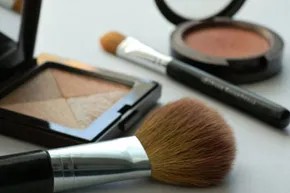
You can tell your闺蜜 your deepest secrets. You can swap clothes. You can even co-sign a lease. But there is one line you do not cross. Never share your makeup.
Dermatologists are blunt about this. Swapping cosmetics is just a polite way of saying you are trading germs. Makeup brushes and sponges are sponges for bacteria. Moist, dark containers are their favorite hotels.
This rule is strictest for lip and eye products. These areas are more prone to infection. Think about the beauty counter. Why are there always those little plastic sticks? They are disposable for a reason. Testers become contaminated fast.
The Danger of Old Makeup
It is not just about who you share with. It is about time.
Old cosmetics breed infection. You need to toss them out. Recommended expiration dates vary by product. Liquid makeup goes bad faster than powder. Mascara is the biggest offender. It lives near your eyes. One old wand can cause a serious infection.
Cleaning out your collection is tedious. It is worth it. Your skin and eyes will thank you.
If you ignore these rules, you might get a skin infection. You could pick up dermatitis. The herpes virus is another risk. It causes cold sores. These are not just annoyances. They are lifelong commitments if you catch the virus.
Keeping your makeup fresh and your skin clean can help you avoid illness.
How to Store Cosmetics Safely
Hygiene starts with storage. Many women rush through their morning routine. They do not see the risk.
Close your containers tightly. Every time. This keeps the product safe. Preservatives help prevent bacteria. But bad storage ruins this protection. Keep products at room temperature. Do not leave them in a hot car. Direct sunlight is dangerous. Anything above 85 degrees Fahrenheit (29 degrees Celsius) is a breeding ground for germs.
Never add water to your makeup. You might think it thins the product. It actually spurs germ growth. It also lessens the preservatives.
Do not use saliva. Do not wet your brush with your mouth. Saliva spreads bacteria from your mouth to your eyes. Your mouth bacteria are harmless there. In your eyes, they are dangerous.
The Beauty Counter Trap
You know not to share with friends. What about strangers?
It seems obvious. But what are you doing when you swipe that lipstick tester at the department store? If you must use a tester, insist on disposable applicators. Learn the cleaning procedures. Make sure the staff follow them. Request a new tester product if it looks dirty.
Do you know what is lurking on that lipstick tube? A study found staph, strep, and E. coli in department store testers. Without safety precautions, a free makeover can land you in the doctor’s office.
Infections You Can Catch
Sharing eye makeup is risky. It can lead to pink eye, or conjunctivitis. This infection affects the eyelid lining. Your eyes will be red. They will itch. They will water. It can last up to two weeks.
Pink eye is highly contagious. Sharing one mascara wand can spread it fast. If you get it, a doctor can prescribe eye drops. You will clear it up in a few weeks. But you cannot wear eye makeup or contacts during treatment.
Swapping lipstick is even riskier. You can catch the herpes simplex virus. It causes cold sores. You can catch it even if the other person has no visible sores. There is no cure. One share can mean a lifetime of managing the condition.
Understanding Cold Sores
Cold sores are different from pink eye. You cannot cure them with medication. The herpes simplex virus causes them. They appear as small, fluid-filled bumps. Usually near the mouth and lips.
They can show up up to 20 days after exposure. By then, it is too late to prevent it.
Your daily routine involves seven or more skin-care products. Deodorant. Lipstick. Toothpaste. It is second nature. But each product affects your body. Especially if you ignore hygiene.
Share your secrets. Share your time. But keep your mascara to yourself.
When to Toss the Tube
Rummaging through that bathroom drawer? You might find products that have long since passed their prime. Here is the thing: the FDA does not mandate expiration dates on cosmetics. That silence puts the responsibility squarely on your shoulders. Storage matters, too. Leave your lipstick in a hot car and it will spoil faster than you think. You have to be the judge of when it is time to let go.
Protect Your Eyes
The eyes are vulnerable. That is a fact. Mascara wands act like little incubators for bacteria. The closed tube creates a dark, damp environment where germs love to multiply. Most manufacturers recommend tossing your mascara after three months. Three months. If it smells funky, looks clumpy, or has been through a temperature swing, dump it immediately.
Did you have an eye infection recently? Replace all eye makeup. No exceptions. Do not try to save money on health.
Liquid vs. Powder
Water is the enemy of shelf stability. Liquid foundations, creamy eyeshadows, and blushes are breeding grounds for bacteria. Six months is the hard limit for these items. Liquid eyeliner? That is a three-month product. Period.
Powders tell a different story. With little to no water content, they can last up to two years. This includes pencil liners and powder-based shadows, foundations, and bronzers. But “up to two years” is not a guarantee. If the color shifts or the scent changes, throw it out. Right then.
The Moving Vehicle Rule
Mascara accidents happen more than you think. Usually, it involves a scratched eye. The cause? Applying mascara while driving or riding in a moving car. Never do this. A scratch is not just a nuisance. It can become infected. Keep the car parked. Keep your eyes safe.
Where to Go From Here
If you are worried about the hidden dangers of poor makeup hygiene, there are deeper waters to explore. The links on the following page offer more context on why these rules exist and how to stay safe.
Related Articles
- Top 5 Foods for Beautiful Skin
- How Natural Cosmetics Work
- How to Choose the Right Bronzer
- Is mineral makeup really natural?
- What affects skin texture?
Sources
- American Academy of Dermatology. “Cosmeceutical Facts and Your Skin.” (Accessed 8/19/09)
- Connolly, Katie. “Eight Ways to Improve Your Makeup.” Newsweek. 8/17/07.
- Matlin, Jessica. “Have Your Beauty Products Gone Bad?” Good Housekeeping Magazine.
- Mayo Clinic. “Cold Sore.” 3/13/08.
- Mayo Clinic. “Pink Eye (Conjunctivitis).” 5/24/08.
- U.S. Department of Health and Human Services. “Cosmetics and Your Health.” 11/1/04.
- U.S. Food and Drug Administration. “Cosmetics.” 5/5/09.
- WebMD. “Makeup and Cosmetic Safety.” 2/28/08.
- Wu, Jessica. “Sharing Makeup.” 2/20/09. Everyday Health.


