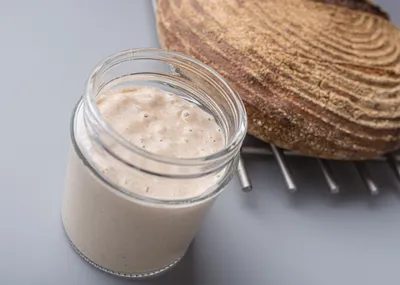
Sourdough is not just a trend. It is a living culture. Sourdough, made from flour, water and wild yeast, has been used for centuries to bake bread and other baked goods. The process is based on natural fermentation. You mix flour and water. You wait. The days pass.
Wild yeasts suspended in the air enter the mixture. They multiply. They work. This biological activity produces the distinctive sour taste that gives the bread its name. It’s simple chemistry. It’s also slow food at its most honest.
Do not use the starter mixture directly to make bread. You take the fermented sourdough and add it to a fresh batch of flour and water. You knead. You shape. You bake. The result is a crackling crust and a crumb that smells like comfort.
Many bakers keep some of the dough or sourdough aside. This becomes the starter for the next batch. It’s a continuous cycle. An endless cycle of feeding and baking.
A sourdough starter can last forever if it is cared for correctly.
This longevity is what makes the practice so special. Some starters are decades old. Families pass them down as heirlooms. Chefs in professional kitchens guard them with the same intensity. They are valued for their history and consistent performance.
You do not need to inherit a starter to participate. You can make one at home. Only two ingredients are needed. You can also buy active culture if you want to skip the wait. However, there is a special satisfaction in watching your own wild yeast colony grow. It starts slowly. Almost invisible. Then it bubbles. Then it rises.
It is a relationship based on regularity. Feed it. Wait. Bake. Repeat. Depending on the humidity in your kitchen, the bread will taste different. Air in your city. The type of flour you use.
Is it complicated? No. It’s just patience. And in a world that demands immediate results, that slowness is a kind of rebellion. You are baking with time. Not just heat.
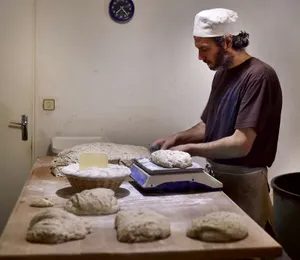
Design the final shape
The dough is fermented. Now it needs to be shaped. The shape you choose determines how it bakes and how it looks when you take it out of the oven. Traditional French bakers swear by the boule – that classic round ball. It’s stylish. It retains heat well. But if you’re cooking at home, you may lack a fermentation basket or the patience for it. A simple rectangular loaf pan will do. It’s easier. It’s familiar.
Sourdough is forgiving. You can twist it. You can braid it. You can shape it into a batard or baguette. The underlying tangy flavor remains the same regardless of the silhouette, but the relationship between the crust and the crumb changes. Experiment. Make a mistake. Burn the bottom. Learn.
The secret of microbes
Why does sourdough from San Francisco taste different than bread from Berlin or Boston? This question has divided chefs into camps for decades. Some say the starter lives in your hands. That microbes transfer from your skin to the dough. Personal. Intimate. Others blame the grain. Water. Certain minerals in your tap that feed yeast.
But the climate is the heavy hitter. Temperature. Moisture. The air in your kitchen is more important than you think. San Francisco’s foggy coast creates a unique microbial ecosystem. Cool nights and warm days allow certain wild yeasts to flourish. That’s why their cultures are legendary. The bread tastes like that place.
However, science complicates romance. Metagenomics—the study of genetic material taken directly from environmental samples—shows that it’s rarely just one factor. It’s a combination. Local yeast strains mix with the flour’s natural microbes. Water adds its own profile. The starter becomes a living archive of its environment.
Bread cannot be separated from the place of production.
So when you feed the starter, don’t just mix flour and water. You tune an instrument that reacts to the air in your home. Change room. Change the humidity. Change the result. It’s not magic. It’s biology. And it’s constantly changing.
Fermentation doesn’t just give sourdough its flavor. It releases the nutrients inside the flour. B vitamins in particular are released so your body can actually use them. There is also an gut angle. Many people believe that the probiotics in sourdough support healthy flora.
Then there’s the gluten problem. Traditional fermentation breaks down gluten proteins. This makes it easier for sensitive people to digest. Not a cure, but a relief.
Nutritionists generally agree on one thing: whole grain sourdough beats processed bread made with baker’s yeast. The difference is not only in taste. It’s about bioavailability and digestion.
How fermentation changes everything
Most commercial breads are based on fast-acting yeast. The result is a bread that rises quickly but lacks complexity. Sourdough takes time. Wild yeast and bacteria work together for hours or days.
This slow process is important. It reduces phytic acid. Phytic acid can prevent the absorption of minerals. By lowering it means you get more iron, zinc and magnesium from the same slice of bread.
Is it really better for you?
The consensus of nutrition experts leans heavily toward sourdough. Especially when it’s made from whole grains. The fiber content stays intact. The nutritional profile is denser.
Preservatives and extra sugars are often added to processed bread. Sourdough doesn’t need any of this. The acid acts as a natural preservative. It also gives a lower glycemic index. Blood sugar spikes are less dramatic.
“Sourdough, especially made from whole grains, is healthier than processed bread.”
For those paying attention to gut health, probiotic claims hold weight. Although baking kills most live bacteria, the prebiotic fiber stays intact. They feed the good bacteria that are already in your body.
Gluten sensitivity is difficult. Sourdough is not gluten-free. But broken down proteins are less inflammatory for many. If you react to standard wheat bread, sourdough may be tolerable. It’s worth testing.
Making the switch
You don’t have to bake the bread yourself. Look for true sourdough in local bakeries. Avoid products labeled “sourdough style.” These often just add vinegar to for flavor without taking advantage of the benefits of fermentation.
Whole grain options are better. Refined white sourdough still has digestive advantages. But the whole grain version offers more sustained energy.
The taste is different. Tangy. Complex. It changes the way you eat other foods. A simple sandwich becomes a meal than a snack.
Some people still prefer the soft, neutral taste of white bread. That’s fine. However, if you want nutrient density and easier digestion, sourdough delivers. It’s not magic. Simply better science in a loaf.