


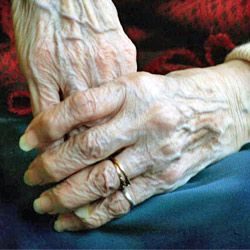
They peel. They split. They snap off before you’ve even had your morning coffee. If your nails look like they’re just days away from complete structural damage, you aren’t imagining it. Brittle nails are a common nuisance and usually manifest as dry, cracking, or splitting nail plates that refuse to stay intact. Sometimes they just grow too slowly to feel useful. In other cases, they are so weak that a paper cut feels like a minor injury.
Is it just aging? Perhaps. But it’s rarely just aging.
This is often caused by what is known as ‘brittle nail syndrome’, a condition where the nails lack the moisture they need to remain flexible. Think of it like leather drying in the sun – stiff and prone to cracking. However, the roots can go deeper. Lack of iron or zinc can weaken the nail bed. In rarer and more serious cases, these abnormalities may indicate underlying health problems such as hepatitis, lupus, or heart disease. That’s the scary stuff. Usually, though, it’s something common: a fungal infection, a reaction to a strong nail polish remover, or simple trauma from a finger hitting a door frame.
There is an ongoing debate in the world of dermatology about what actually causes this fragility. Is it due to a lack of protein building blocks? Or is it just dehydration? Most treatments aim to correct one or both of the problems. Let’s look at five specific ways to improve nail health, starting with the most commonly used supplements.
5: Vitamin Supplements and Biotin
Biotiini on kynsienhoidon lippulaiva. You see it in shampoo, in gummies, and the labels of all the expensive hand creams on the market. The idea is simple: use enough biotin and your nails will grow stronger.
But does it work? The science is mixed. Some studies suggest that biotin can increase nail thickness and reduce cracking, especially in people who already suffer from brittle nails. Others notice little difference between biotin and placebo. The key might be consistency. If you decide to try supplements, it’s not a quick fix. Since nails grow slowly, you will probably need to take them for several months to see a real change in your nail plates.
If you opt for a supplement, look for a dose that provides 2.5 to 5 milligrams of biotin per day. Higher isn’t always better, and megadoses can sometimes interfere with lab tests and give false results for things like heart attack markers. So talk to your doctor before you start taking the pills.
“If you decide to try supplements, it’s not a quick fix. You’ll probably need to take them for several months to see a real change in your nail plates.”
While biotin gets the credit, it’s not the only player. Some people find more success with general zinc and protein multivitamins to correct the root deficiencies mentioned earlier. However, if you’re looking for a specific, targeted approach, biotin is the safest place to start. Don’t expect miracles overnight. Nails are stubborn. They need time to grow out of the matrix. Patience combined with proper hydration is usually the real secret.


You are what you eat. Or at least, your nails are.
When bodily processes drag their feet, nails show it first. Iron and zinc aren’t just buzzwords for health gurus; they are structural necessities. Without them, your nails become fragile. A basic multivitamin can bridge that gap. Look for staples like niacin, iron, calcium, and vitamins A and C.
But the real conversation in nail circles usually circles back to biotin.
The Biotin Debate
Biotin is the star of the vitamin B complex. It’s everywhere in supplements, and if you’re willing to eat your way to stronger nails, it’s in oatmeal, bananas, mushrooms, peanuts, and soy. There is also the option of animal organs, though that path is less palatable for most.
Is it effective? The science is murky. The mechanism is unclear. Yet, anecdotal evidence is loud. Biotin has shown success in strengthening horse hooves. In human trials, women taking 2.5 milligrams daily for six months saw a 25 percent increase in nail thickness. That’s significant.
Most people get enough biotin from diet. Exceptions exist. People with alcoholism, those who consume excessive raw egg whites, and individuals on long-term antibiotics are at risk. Pregnant women often face deficiency, which can lead to serious birth defects. This is why prenatal vitamins are non-negotiable for expectant mothers. Some healthy women take them too, chasing the rumored benefits for hair and nails.
Beyond biotin, the data gets thin. Glucosamine, usually reserved for osteoarthritis, shows some promise. Gelatin and horsetail herb are popular remedies for brittleness, but the evidence is conflicting or nonexistent. Gelatin, derived from animal hooves and connective tissue, is a salon favorite, but that doesn’t make it a cure-all.
Brittle vs. Weak: Know the Difference
“Brittle” nails are too hard. They snap. They crack.
“Weak” nails are too soft. They bend. They peel.
Identifying which one you have changes the solution.
4: Super Moisturizers
For brittle nails, the culprit is often dehydration. Just as dry skin cracks, dry nails split.
Drugstore moisturizers like Vaseline work. They create a barrier. Some prefer home remedies: egg yolks mixed with milk. Others swear by creams that seal in moisture, such as Aquaphor or Trind Nail Balsam.
Over the last decade, a new class of products has taken over the market: super moisturizers.
These creams are beefed up with vitamin E, avocado oil, and shea butter. They are applied directly to the nail and the cuticle area. One even comes in a candle. Users light Aloette’s Hot Soy Manicure Treatment Candle, blow it out, and dip their fingers in the melted wax. The oils penetrate. It’s odd. It’s effective. It’s definitely memorable.
3: Fortified Nail Polishes
Nail polish isn’t just for color anymore. Fortified polishes claim to boost health, packing in vitamins and minerals. Brands like Sally Hansen Miracle Cure make bold claims. They cite laboratory data suggesting nails can become 50 percent stronger in three days.
But application is only half the battle. Removal is where damage often happens.
Nail polish removers are loaded with harsh chemicals. Avoid formaldehyde, acetone, and toluene. Formaldehyde is used in embalming. Acetone dries out nails aggressively. Camphor and phthalates can trigger allergic reactions. If you want strong nails, check what you’re wiping off, not just what you’re putting on.
Aging Nails
Toenails thicken and harden as we age. That’s normal.
Fingernails thin. That’s also normal.
This thinning is why the Natural Approach often feels like the last resort when products fail.
2: The Natural Approach
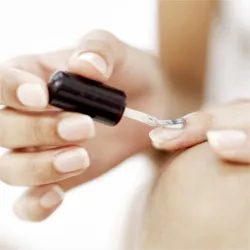

Skip hardeners and allergens
Let’s clear up a big misunderstanding right away. You don’t need nail hardeners. In fact, they are often the problem. If your nails are brittle, they are already too hard and stiff. Adding more chemicals to stiffen it is like trying to fix a cracked windshield by pouring more glue on it. This only makes the structure more susceptible to breaking under pressure.
In addition, hardeners often cause allergic reactions. Your nails don’t have to be steel; You need to be flexible and hydrated. Moisturizing is the real solution, not hardening.
Pay attention to the ingredients. If you’ve seen a list of common allergens, check your polish and treatments against them. Avoid anything that triggers a reaction. Simple is safer.
Stop cutting cuticles
There’s a reason dermatologists and nail technicians tell you to leave your cuticles alone. Not just dead skin that you can cut off to make your nails look longer. They are a seal. They protect the nail matrix – the root where your nail grows – from bacteria and infection.
Cutting them too short doesn’t just look messy; it opens the door to infection. Permanent nail deformities may also occur. If a nail or a frayed cuticle bothers you, use clean, sharp scissors. Cut neatly. Cut moderately. Don’t dig. Don’t pull. Let the skin do its work.
Give your nails a break
You can’t wear nail polish every day and expect healthy nails. Nails need to breathe. More importantly, they are visible. If you keep wearing nail polish, you’re hiding the truth. You won’t notice any discoloration, thinning, or early signs of fungus until it’s too late.
Lay off the polish occasionally. Leave them uncovered for a few days or weeks. This gives you an opportunity to inspect the nail bed for any underlying problems. In addition, moisturizers can penetrate directly into the nail plate. Without nail polish, these moisturizing ingredients can actually work instead of a plastic-like layer.
Rethink your removal routine
Nail polish remover is an aggressive solvent. It removes the natural oils along with the color. Overuse is like washing your hands with industrial degreaser every time you spill something.
Only use as much remover as is absolutely necessary. Dab, don’t soak. Check the label again. Avoid removers that contain formaldehyde or other harsh chemicals that dry out the nail bed. The goal is to remove the polish and not dry the entire finger.
Look at the weather
Nails are sensitive to their environment. It’s good to give them air, but keep it in moderation. Cold, dry air is a nail’s worst enemy. It strips moisture from the keratin, causing cracks and splits.
If you live in a dry climate or are in the cold winter season, pay special attention to hydration. Your nails tell you how they feel. If they feel tight or brittle, they are crying out for moisture. Listen to them.
1: Protect your hands

Water is your nails’ biggest enemy. When you wash your hands too often, the keratin layers absorb moisture, swell, and then shrink as they dry. This cycle weakens the structure. The result? Brittle nails that snap at the slightest pressure.
The fix is simple. Wear gloves.
I mean actual gloves. When you’re washing dishes in hot, soapy water, or when the winter air is biting outside, protect your hands. It’s not just about soft skin; it’s about keeping the nail plate stable. Without that barrier, you’re inviting damage.
Keep It Short and Sweet
Long nails look dramatic. They also catch on everything.
If you work in an office, your hands are constantly in motion. Typing, closing drawers, handling paper. Long nails get caught in drawer handles. They pry open packages. They snag on fabric. Every little snag is a stress fracture waiting to happen.
Trim them back. Keep them short. It’s practical. It’s safer. And honestly, it looks cleaner. Be mindful of your environment, too. Close drawers with your knuckles, not your fingertips. Small adjustments prevent big breaks.
Look Under the Surface
Sometimes, brittle nails aren’t just about external damage. They’re a signal from inside.
Poor circulation can starve your nails of the nutrients they need to stay strong. If your hands feel cold or numb, this might be the culprit. An underactive thyroid is another common suspect. It slows down metabolism and affects growth rates.
If your nails are splitting despite good care, talk to a doctor. It’s not vanity; it’s health.
The Fungal Question
Fungal infections are more common in older adults, but they can happen to anyone. You might notice discoloration, thickening, or a crumbly texture.
Here’s the tricky part: treatment isn’t always straightforward. Creams often fail. Oral medications can have side effects that outweigh the benefits. Some doctors actually recommend leaving mild fungal infections alone and just monitoring them.
It sounds counterintuitive. But if the risk of treatment is higher than the discomfort of the infection, observation might be the smarter move. Check with a professional before popping pills.
Where to Go Next
This is just the start. Nail health is connected to everything from diet to daily habits.
If you want to dig deeper, look into home remedies for stubborn nail issues. Or find out what your nails are trying to tell you about your overall health. Removing polish stains is another small win that prevents discoloration.
And don’t forget the basics. How hand washing works (and why it matters) is worth understanding. Pair that with a good daily body moisturizer to keep the whole system hydrated.
Sources like Paula Begoun’s “Nail Care Dos and Don’ts” and Jane Brody’s New York Times piece remind us that nails are often overlooked until they break. WebMD and the University of Maryland Medical Center offer clinical perspectives on what’s really going on under the cuticle.
Your nails are fragile. Treat them like it.


