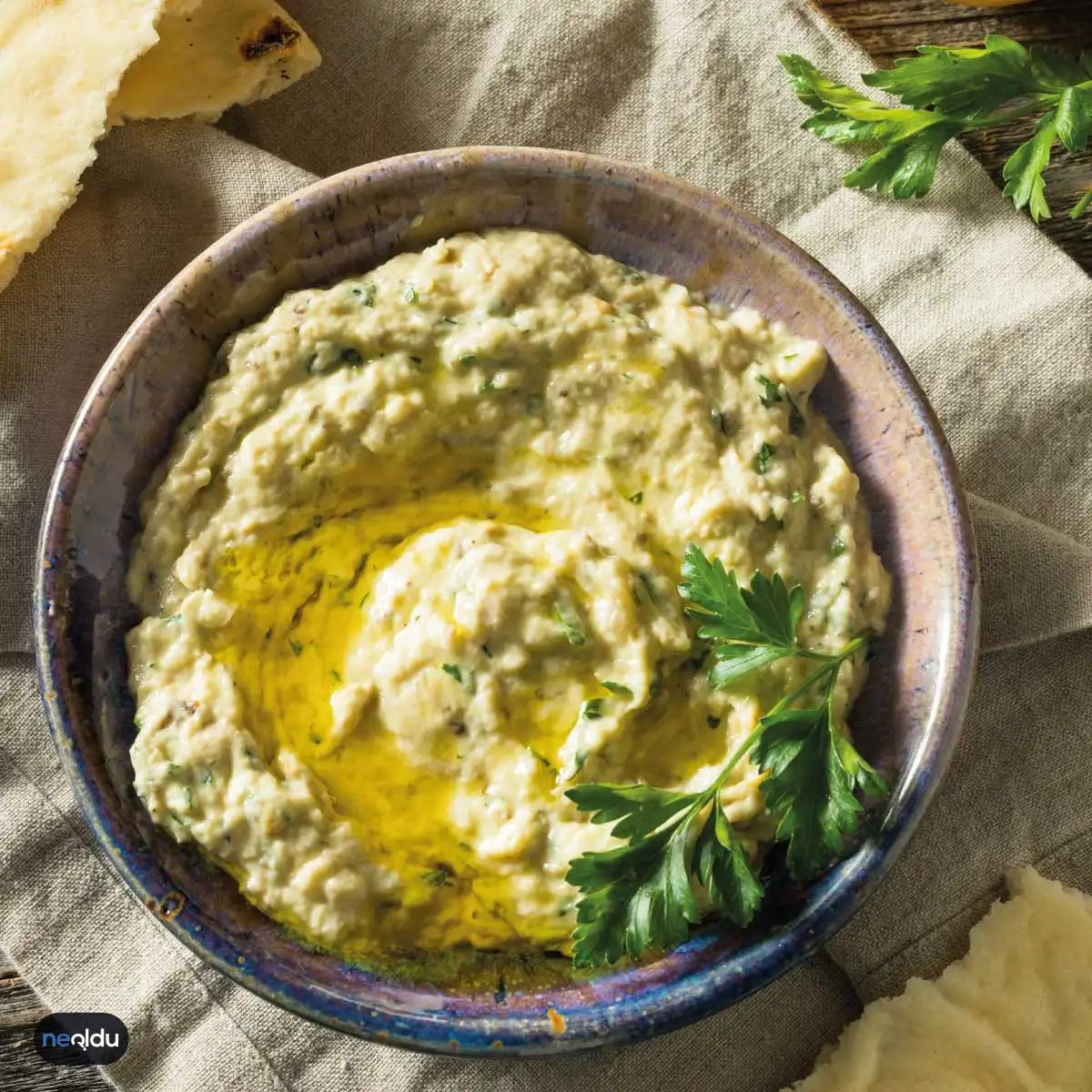
It’s one of those dips that I buy all the time, but rarely make at home. This habit is over now. With ingredients you already have in your cupboard, you can whip up this velvety Middle Eastern staple in under forty minutes. I’m talking about babagannush.
Honestly? Every time I make it, I stand at the kitchen counter and scrape the last bits of smoky eggplant right into my mouth. Don’t judge me. Let’s move on to the recipe for cold mezze, which will soon become your new favorite.
What exactly is Babaganoush?
If you’ve only ever known hummus, this is its cool, rebellious cousin. It’s not just pureed chickpeas and tahini. It’s roasted eggplant. Smoky. Creamy. Tangy.
Think of it as a bridge between dip and spread. It’s versatile enough to be a quick snack or the centerpiece of a mezze plate. And because it’s based on charred vegetables instead of cooked legumes, it has a significantly different texture – lighter, airier and stronger in flavor.
What exactly is Baba Ganoush?
You’ve seen it on restaurant menus. Maybe you’ve tried a dip that claimed to be Baba ganoush but tasted more like mashed eggplant with a hint of garlic. That’s not the real deal. The authentic version – known by dozens of different spellings such as Abugannuch, Mutabal or Abu Gannush – is a revered Levantine staple. It’s not just pureed vegetables. It is charcoal, smoke and acid, bound together by texture and time.
This cold mezze from Lebanon crosses borders. You can find it in Syria, Israel, Jordan, northern Iraq, the Palestinian territories and southern Turkey. Each region tweaks it. Some add tahini. Some don’t. Some grill eggplant. Others roast it whole over an open flame until the skin is completely black. The name changes, but the essence remains: charred eggplant, yogurt, olive oil, lemon juice, garlic and salt.
Ingredients behind the smoke
The beauty lies in its simplicity. Five or six ingredients. No hidden thickeners. No preservatives. Only:
- Eggplant : Star. Must be roasted until the flesh is very tender and almost collapses under its own weight.
- Yogurt : Adds flavor and creaminess. Greek yogurt works, but traditional recipes often use strained yogurt for consistency.
- Olive oil : Extra virgin. Drizzled on top at the end, not mixed in during cooking.
- Lemon juice : Clear, sharp, necessary. Balances earthiness.
- Garlic : Raw or roasted? Raw hits harder. When roasting, the edge becomes softer.
- Salt : to taste. Always.
Tahini? This is where the conversation begins. Some say it is necessary. Others call it a crutch. If you leave it out, you get a lighter, more acidic dip. With it, you get richness. Both are valid. Neither is wrong.
Why roast is important
Grilling or charring is not an option. It is the soul of the dish. Raw eggplant tastes bitter and spongy. Roasted eggplant becomes sweet, smoky and silky. The skin should burn. Not just brown. Black. Charred. Then scraped away, leaving only the flesh.
Some people peel the eggplant first. Then roast. Then peel again. Inefficient. Others roast it whole, split open, and scoop. Faster. Cleaner. You will lose some of the flavor of the skin, but you will gain time. Your choice.
The goal is to get the smoky depth out of it. If you skip the char, you’re making eggplant hummus. Not Baba Ganoush.
How to build a dip
When the eggplant has cooled, drain it. Squeeze out the excess water. This step is crucial. Too much moisture makes the dip watery. Runny. Disappointing.
Mix the eggplant with the yogurt. Add lemon juice. Garlic. Salt. Stir. Taste. Adjust. If you want tahini, add it now. Blend until smooth. Or leave it chunky. Texture is personal.
Refrigerate for an hour. Let the flavors marry. Then drizzle with olive oil. Sprinkle with parsley if you’re feeling fancy. Serve with pita.
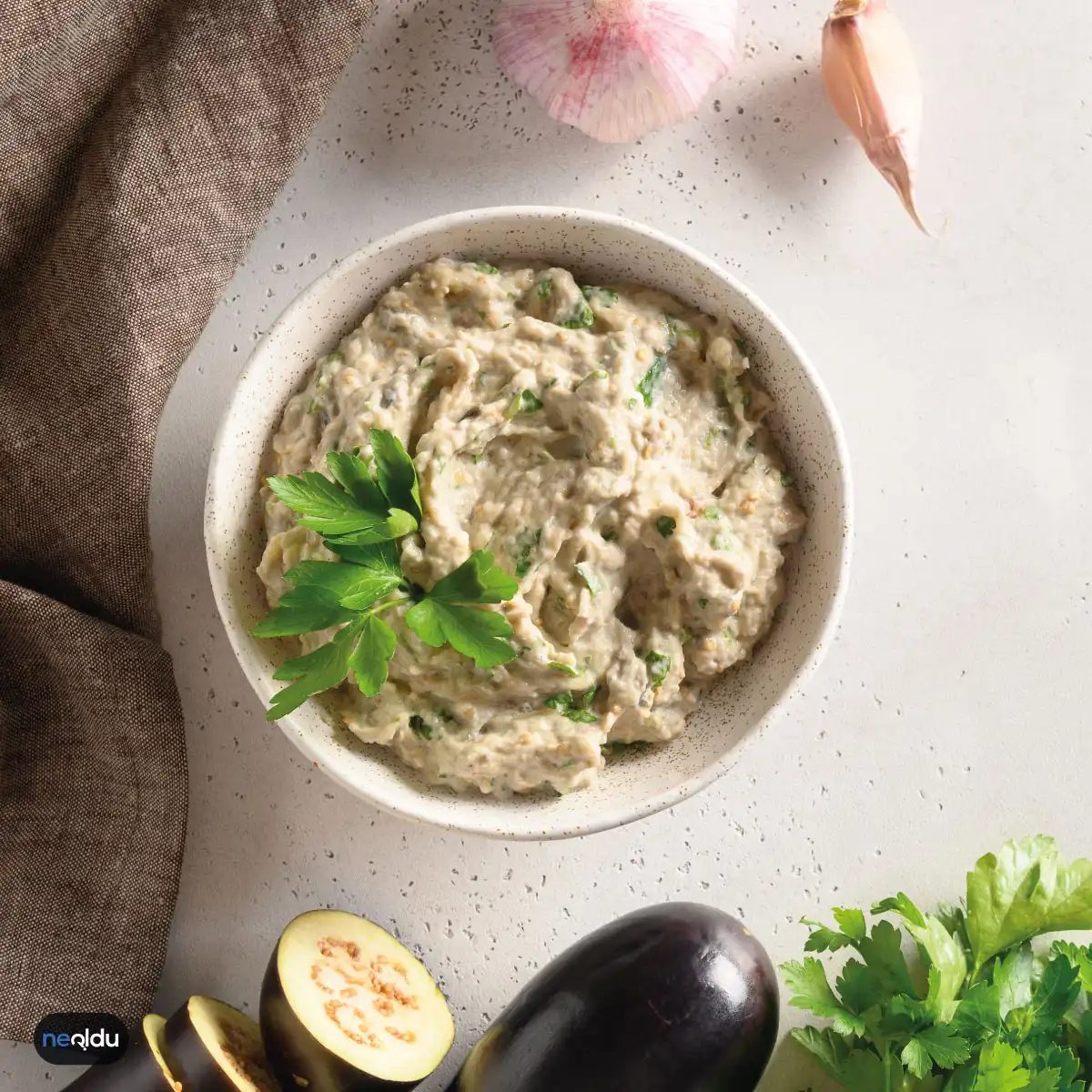
Most recipes online are limited to the basics: roasted eggplant, tahini, lemon and garlic. It’s a solid foundation. However, if you want a dip that feels richer, tangier, and really complex, you’ll need to tweak the standard formula. This version leans on the creaminess of the yogurt and the nutty depth of the butter, creating a texture that coats the spoon instead of sitting on top of the chip.
The secret lies not only in the ingredients, but also in how you balance them. You’re aiming for a smoky base with bright acidity, complemented by savory notes of yogurt and butter. It’s all about creating layers.
Ingredient Breakdown
You have to be precise with the ratios. Too much lemon and it becomes salad dressing. Too little garlic and it lacks punch. The following goes into the bowl:
- 2 kg of eggplants : This is mass. They need enough water to replace the water lost during roasting.
- 250g sweet peppers (Charleston varieties are best) : These provide a subtle sweetness that balances the smokiness.
- 3 medium-sized tomatoes : They provide moisture and mild acidity.
- 100 g unsalted butter : This is non-standard element. It provides a velvety mouthfeel that you simply cannot achieve with olive oil alone.
- 4 cloves of garlic : Fresh is non-negotiable. Jarred garlic tastes metallic and flat.
- 4 tablespoons of tahini : Use a smooth, high-quality brand. Grainy tahini makes the dip grainy.
- Juice of half a lemon : freshly squeezed. Bottled juice tastes like chemicals.
- 250 g strained yogurt : Greek yogurt or labneh is best because it is thick. You don’t want a runny dip.
- Half bunch of parsley : To add freshness and color.
- 1 teaspoon red pepper flakes : Adjust according to heat preference.
- 1 tsp salt : Taste as you go.
Roasting for Depth
Start with eggplants. Cut them lengthwise or bake them whole. When you roast them whole, the skin acts as a barrier and keeps the flesh moist. Put them under a hot broiler or in a 400°F (200°C) oven until the skin is charred and blistered all over. The flesh should shrink when squeezed. This takes about 30-40 minutes.
While these are roasting, prepare the other vegetables. Roast the peppers and tomatoes next to the eggplant. This ensures that they all have the same smoky backbone. If you cook them separately, the unified flavor profile is lost.
When the vegetables are cool enough to handle, peel them. Discard the skins and seeds. You want pure pulp. Water is released from the tomato. Let them drain in a colander for about 15 minutes before adding them to the mixture. Excess water is the enemy of good baba ganoush.
Building the Base
Now mix the roasted pulp. You can use a food processor for a smoother texture or a mortar and pestle for a more rustic and fibrous consistency. For convenience, I prefer the processor, but pulse it rather than running
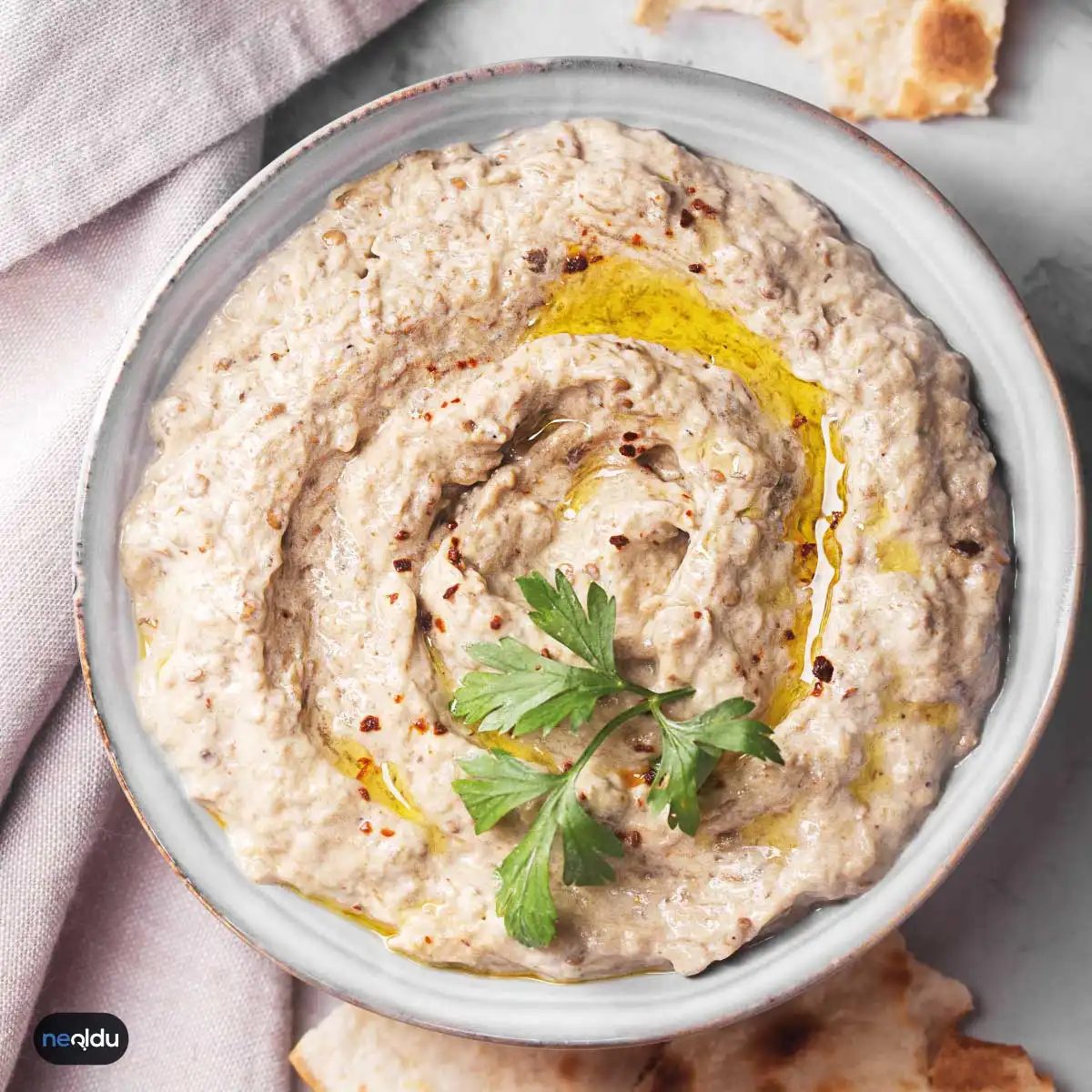
Getting the base right is only half the battle. Once your vegetables are roasted and mashed, the magic happens in the mixing bowl. Combine your charred eggplant, tomatoes, and peppers with a paste of crushed garlic, olive oil, lemon juice, red pepper flakes, tahini, and salt. Stir in melted butter and fresh parsley. That’s it.
Here is the fastest way to put together this dip, broken down into five simple steps:
5 Steps to Quick Babagannush
- Roast the veggies. Grill the eggplant, tomatoes, and peppers until blistered. Let them cool, then peel and chop them.
- Mix the wet base. Whisk together lemon juice, tahini, yogurt, red pepper flakes, salt, and crushed garlic in a bowl.
- Combine everything. Add the chopped roasted vegetables to the wet mixture and stir until smooth.
- Sauté the garnish. Finely chop the parsley and lightly fry it in melted butter to release its aroma.
- Serve. Transfer the dip to a serving dish and drizzle the parsley-butter mixture on top.
If you enjoy this version, you might also want to check out traditional hummus recipes or carrot and squash dishes. But let’s talk about the origins, because “babagannush” isn’t just one thing. It’s a family of dishes, each with its own personality depending on where you are in Turkey.
Which Region Is Babagannush From?
You’ll often hear Hatay babagannush mentioned first. It’s a staple of Hatay’s regional cuisine and has roots in the Ottoman kitchen. It works as a standalone meze or as an ingredient in other dishes. Hatay is known for bold flavors, and this dip fits right in. It’s considered a hidden gem in Turkish cuisine—something you should definitely try if you’re looking for authentic regional mezze.
What Does Original Babagannush Actually Contain?
At its core, the ingredients are simple: eggplant, garlic, butter, tahini, lemon, peppers, yogurt, parsley, tomatoes, and salt. Some versions skip the tahini entirely, depending on the household or region. The key is the smokiness from the roasted eggplant.
How to Make Diyarbakır-Style Babagannush
This version is special. In fact, Diyarbakır babagannush is so distinct that it received a geographical indication certificate from the Turkish Patent and Trademark Office on December 9, 2021. It’s legally protected as a unique flavor of Turkish cuisine.
To make it, you char the eggplant over a grill, peel it, and pound it with a mallet. Then, you cook it with green peppers, garlic, butter, and eggs. The egg is what sets this apart from the other versions. It’s heartier. Creamier.
How to Make Adana-Style Babagannush
Adana takes a different approach. It starts in a pot with vegetable oil. You sauté onions and peppers, then add tomato paste. Once that base is rich and dark, you fold in chopped roasted eggplant. The final touch? Garlic, tomatoes, and a splash of pomegranate molasses. It’s savory, slightly tangy, and incredibly practical for a weeknight meal.
How to Make Traditional Babagannush
If you want to stick to the most common method, here’s how it goes. Add the garlic to your mix of roasted eggplant, peppers, and tomatoes. Drizzle with pomegranate molasses, salt, and olive oil. Plate it up. Sprinkle whatever herbs you like on top—parsley is classic, but cilantro works too. A final garnish of fresh parsley gives it that pop of green color before serving.
Why does it matter which region you copy? Because each style tells you something about the local pantry. Hatay loves its spices. Diyarbakır uses eggs for texture. Adana builds a tomato-onion base. Hatay’s version is often tahini-heavy. Diyarbakır’s is egg-based. Adana’s is paste-forward.
Pick one. Roast your veggies. Mash them up. Don’t overthink the mixing.
The best part isn’t the recipe. It’s the smell of charcoal and garlic filling the kitchen while you wait for it to cool.