While most people prioritize diet for heart health or weight management, many overlook a critical connection: the direct link between nutrition and cognitive longevity.
The brain is an energy-hungry organ. Despite making up only about 2% of our body weight, it consumes roughly 20% of our daily calorie intake. Because the brain relies so heavily on constant energy, the quality of the fuel we provide—our food—can dictate whether our mental faculties remain sharp or succumb to decline.
The Science of Cognitive Decline
Researchers are increasingly looking at how diet influences the two primary drivers of Alzheimer’s disease:
1. Reduced Energetics: Issues with blood flow, oxygen saturation, and mitochondrial function (the “power plants” of our cells).
2. Increased Inflammation: Triggered by toxins, metabolic diseases, and pathogens.
Furthermore, the “gut-brain axis” is a growing field of study. An unhealthy diet can disrupt gut microbiota, leading to inflammation that travels from the digestive system to the brain. Conversely, a diet rich in specific nutrients can act as a neuroprotective shield.
The Brain-Boosting Grocery List
To support mental acuity and ward off dementia, experts suggest incorporating these 11 foods into your regular diet:
1. Avocados
Rich in monounsaturated fats, avocados provide steady, high-quality energy for the brain. Unlike simple carbohydrates, these healthy fats help reduce vascular disease without causing the metabolic spikes associated with sugar.
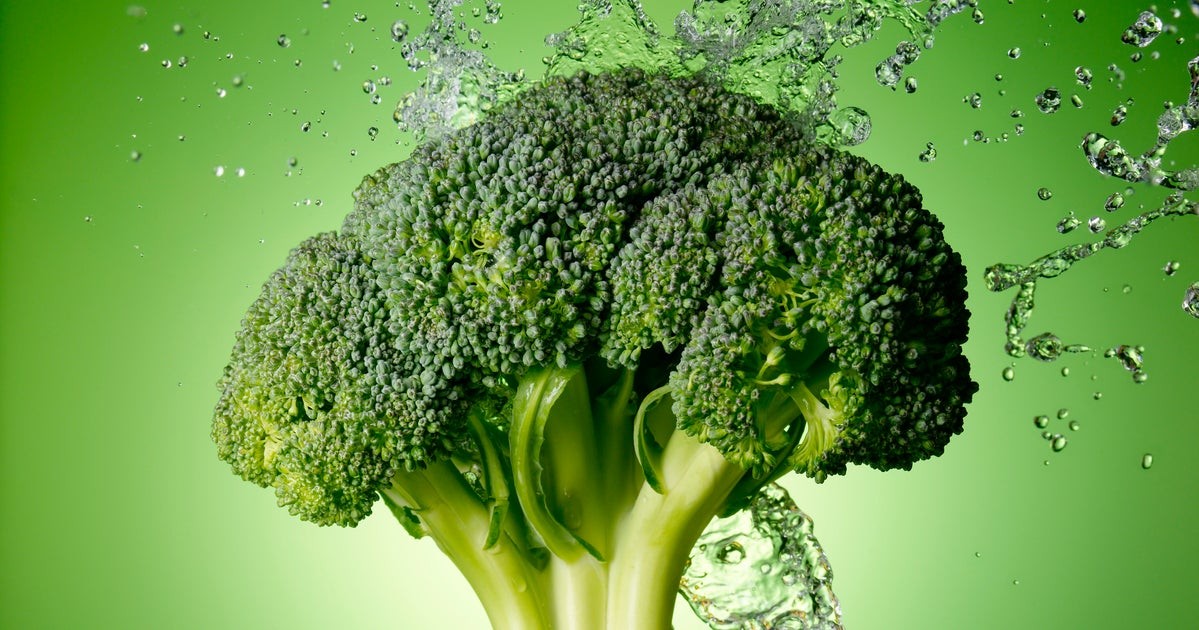
2. Broccoli
This cruciferous vegetable contains sulforaphane, a potent compound linked to reduced inflammation. Research suggests that sulforaphane acts as an antioxidant that may protect the nervous system from pervasive diseases.
3. Blueberries
Often called “brain berries,” blueberries are packed with flavonoids and anthocyanins. These compounds are known to increase cerebral blood flow and neuroplasticity—the brain’s ability to adapt and change. Studies have even shown that consuming wild blueberries can improve processing speed in older adults.
4. Eggs
Eggs are a premier source of choline, an essential nutrient used to produce acetylcholine. This neurotransmitter is fundamental to memory and the functioning of the parasympathetic nervous system, both of which are often compromised in Alzheimer’s patients.
5. Fatty Fish (Salmon, Sardines, Mackerel)
These are the primary sources of omega-3 fatty acids. These essential fats are critical for building new nerve cells, protecting existing cells from damage, and regulating mood and memory.
6. Leafy Greens (Spinach, Kale)
Leafy greens are nutritional powerhouses, providing essential vitamins, minerals, and antioxidants. They are particularly high in magnesium, a mineral that helps lower blood pressure and mitigate the physiological effects of stress.
7. Tuna
Tuna provides tyrosine, an amino acid necessary for producing dopamine and norepinephrine—two neurotransmitters vital for cognitive function. It also contains creatine, which helps prevent brain cells from dehydrating.
8. Turmeric
The active compound in turmeric, curcumin, is highly regarded for its anti-inflammatory properties. Emerging research suggests it may even bind to the amyloid and tau proteins associated with Alzheimer’s disease, offering a multi-layered approach to brain protection.
9. Ginger
Similar to turmeric, ginger is a potent anti-inflammatory agent. Its antioxidant properties help protect neurons against oxidative stress, a primary factor in neurodegenerative diseases like Parkinson’s and Alzheimer’s.
10. Ginkgo Biloba
Widely used for its ability to enhance memory, Ginkgo biloba is believed to improve blood flow to the brain and protect cells from oxidative damage related to aging.
11. Fermented Foods (Kimchi, Kefir, Yogurt)
By cultivating a healthy gut microbiome through probiotics, you support the “gut-brain axis.” A healthy gut can reduce systemic inflammation, potentially slowing the onset of age-related cognitive decline.
Beyond the Plate
While nutrition is a cornerstone of brain health, experts emphasize that it does not work in isolation. To maximize cognitive benefits, dietary changes should be paired with:
* Physical Exercise: To improve circulation and metabolic health.
* Cognitive Stimulation: Keeping the brain active through lifelong learning.
* Quality Sleep: The essential period when the brain performs vital “repair” work.
Conclusion: Protecting your brain is a lifelong process of managing inflammation and energy levels. By prioritizing nutrient-dense foods like healthy fats, antioxidants, and fermented products, you provide your brain with the essential tools needed to maintain vitality and resist cognitive decline.