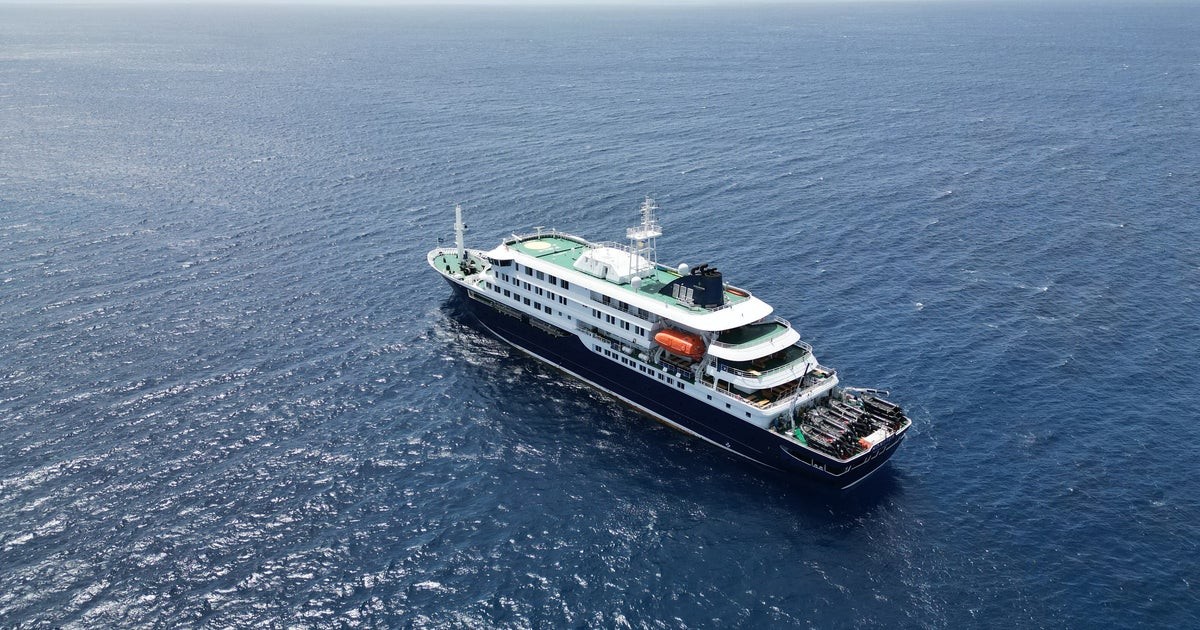
An outbreak of hantavirus aboard the MV Hondius, a cruise ship that departed Argentina on April 1, has raised questions about viral transmission and public health safety. While the situation is serious for those directly involved, experts emphasize that the risk to the general public remains extremely low.
The Current Situation
There are currently eight confirmed or suspected cases of hantavirus among the ship’s 147 passengers, resulting in three deaths. The World Health Organization (WHO) suspects that the virus spread through human-to-human contact, a rare occurrence associated with a specific variant known as the Andes strain.
“The only type [of hantavirus] that’s really ever been shown to possibly transmit human to human is Andes,” explained Kari Moore Debbink, a professor at the Johns Hopkins Bloomberg School of Public Health.
The Andes strain is endemic to Chile and Argentina. Reports indicate that the couple who died had traveled through Argentina prior to boarding the ship. Although a Swiss passenger tested positive after disembarking, Swiss authorities have stated there is no risk to the broader public.
Why This Isn’t “The Next COVID”
Concerns about a potential pandemic are understandable given the severity of the illness, but infectious disease experts are quick to distinguish this outbreak from the coronavirus crisis.
Key differences include:
- Transmission Efficiency: Hantavirus does not spread easily through the air or casual contact. Transmission appears to require intense, close proximity interactions.
- Limited Spread: With only eight cases out of nearly 150 passengers, the virus is not spreading efficiently. If it were highly contagious like SARS-CoV-2, significantly more people would likely be ill by now.
- Primary Vector: Typically, hantavirus spreads through exposure to rodent droppings or urine, not person-to-person contact.
Jennifer Nuzzo, director of the Pandemic Center at Brown University, noted that while the outbreak is concerning due to the fatalities, it is “not concerning for the general public.” She added that her primary concerns remain new flu strains or coronaviruses, which have proven pandemic potential.
Guidance for Travelers and the Public
For the average person, especially those in the United States or Europe, the risk of contracting hantavirus from this specific outbreak is nonexistent. Dr. William Schaffner of Vanderbilt University Medical Center described the situation as a “confined, localized problem.”
However, standard precautions against hantavirus remain relevant, particularly in endemic areas like the Southwest U.S.:
- Avoid Aerosolization: When cleaning areas with potential rodent activity, wet down dust and dirt before sweeping or vacuuming to prevent inhaling virus particles.
- Use Protection: Wear gloves and masks when handling rodent droppings or cleaning contaminated areas.
- Hygiene: Practice thorough hand washing after cleaning or potential exposure.
“I’m not changing my life for this,” Nuzzo said, but emphasized that basic hygiene and caution around rodents are always prudent.
The Bigger Picture: Public Health Infrastructure
This outbreak highlights the critical importance of global public health cooperation. The incident occurred on international waters, complicating jurisdictional responses and underscoring the need for seamless communication between countries and organizations like the WHO.
Experts warn that dismantling public health infrastructure—such as the recent U.S. withdrawal from the WHO—weakens our ability to respond to emerging threats.
“When you do that, it makes it much harder to know what’s going on. And really, time and knowledge are some of our biggest tools to get ahead of these viral threats,” Nuzzo concluded.
While the hantavirus outbreak on the MV Hondius is a tragic event for those affected, it serves as a reminder of the value of robust, collaborative global health systems. For the general public, there is no need for panic, but rather a continued commitment to maintaining the safety nets that protect us from future unknowns.