You bought that blazer. It was on sale. It was so close to perfect. But the sleeves are dragging on the floor and the waist gapes open when you sit down.
Most people toss it. They write it off as a loss. They buy something new. It fits worse. The cycle continues.
This is where the art of clothing alteration saves your wallet and your wardrobe. It is not just about fixing a hem. It is about taking a garment that does not work for your body and making it sing.
The Sustainability Angle (That Isn’t Guilt-Tripping)
Think about the landfill. Clothes are piling up. Fast fashion wants you to throw things away after three wears.
Altering is a quiet act of rebellion against that waste. Instead of discarding a shirt because the fit is off, you reshape it. You keep it in circulation. You reduce textile waste without saying a single word about it.
It is practical. It is personal. And it is surprisingly fun.
Why Alteration Matters More Than You Think
We live in a world of standard sizing. But human bodies are not standard.
A woman with broad shoulders and a narrow waist will find everything either too tight in the arms or too loose in the middle. A petite frame gets swallowed by average-length pants.
Alteration bridges that gap. It transforms “store-bought” into “custom-made.”
“You do not need a new closet. You need a better fit.”
Common Fixes Every Woman Should Know
You do not need to be a professional seamstress to make a difference. Simple tweaks can change everything.
1. The Hemline
Pants too long? Chop them. Skirts too long? Shorten them.
A clean hem makes any outfit look intentional. A dragging hem looks sloppy. Use a basic stitch or visit a local tailor for a blind hem.
2. The Waistband
Pants gaping at the back? Take in the waist.
This is the single most common alteration for women. It changes the silhouette instantly. You do not need to replace the entire pants. Just the back waistband.
3. The Sleeve Length
Jackets with sleeves that cover your knuckles? Roll them up? No.
Fix them. Shorter sleeves look sharper. They show off your wrist. They look professional.
4. The Neckline
Shirts that are too tight around the neck? Let out the seam.
Sometimes the fabric is there. You just need to find the extra material hidden in the seam allowance.
Where to Start
Look at your closet.
Pick one item. The one you love but never wear. The one that feels “almost right.”
Take it to a tailor. Or buy a simple sewing kit.
Try the fix.
See what happens.
The rest of the closet will follow.
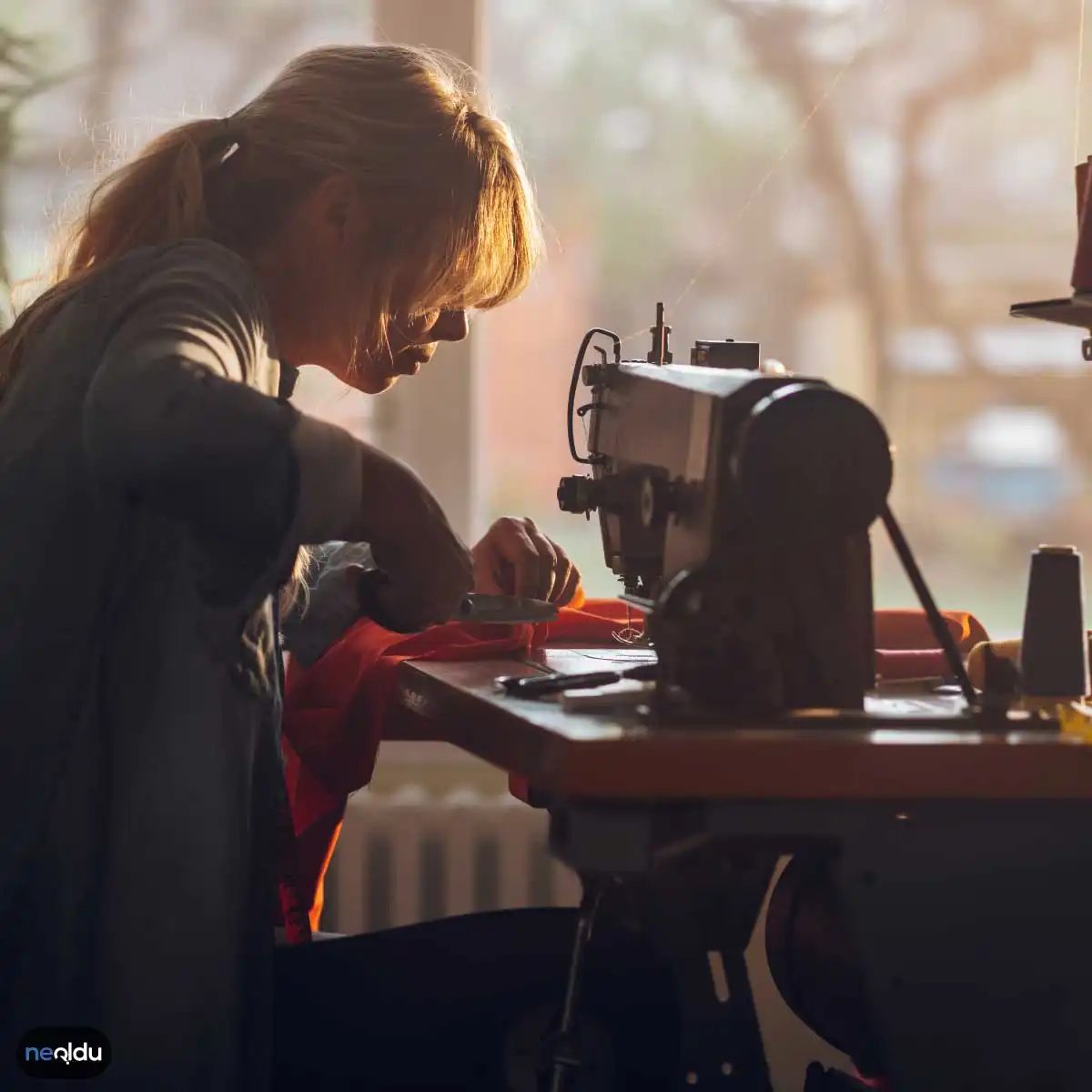
Bazı kıyafetlerin doğası gereği belirli bir kullanım süresi vardır. Elbise, pantolon, ceket, etek… Hepsi zamanla aşınır. Ama birçoğumuz, kıyafetin “sonunu” getirmeden önce onu daha işlevsel hale getirmek için kıyafet tadilatı yaptırmayı tercih ediyor. Bu sadece bir para tasarrufu değil. Eskimiş parçaları yeniden canlandırmanın en pratik yolu.
Değeri Korumak ve Atığı Azaltmak
Kıyafet tadilatının en büyük artısı, sahip olduğun ama artık giyemediğin parçaların değerini koruması. Küçük bir düzeltme veya dikim işlemiyle, o eski gömlek ya da eteği yeniden dolabında yer edinebilirsin.
Bunu yaptığında iki şey kazanırsın:
1. Giysi atığı üretmezsin.
2. Gereksiz yere yeni alım yapmazsın.
Doğası gereği, bu yaklaşım hem cebinize hem de gezegene iyi gelir. Sadece biraz emekle, artık giymediğin bir parçayı yeniden kullanıma kazandırabilirsin.
Tarzını Kendin Yarat
Standart bir kıyafet aldığında, onu üretildiği gibi giymen beklenir. Sablon bir görünüm. Ama kıyafet tadilatı yaparak tam tersini yapabilirsin. Kıyafetini kişiselleştir. Kendi tarzına göre kes, renk değiştir, detay ekle.
“Moda trendlerine uymak yerine, kendi tarzını yansıtan giysiler giymek özgürleştirir.”
Bu sayede, hep aynı kalıpların içinde sıkışıp kalmazsın. Kendi imzayı taşıyan parçalarla dolabını doldurursun.
Bedene Tam Oturan Kıyafetler
Hazır giyim genellikle standart bedenlerde üretilir. Hiç bir kıyafetin tam bedenine oturmadığını biliyorsun. Omuzlar dar, beli bol, boyu kısa… İşte burada devreye kıyafet tadilatı girer.
Parçayı özel ölçülerine göre ayarlayarak tam oturan bir siluet elde edersin. Sonuç? Daha rahat, daha şık ve kendine güvenden bir görünüm.
Hangi Kıyafetler Tadilat İçin Uygun?
Her parça aynı şekilde yenilenemez. Hangi kıyafetlerin tadilat edilebileceğini bilmek önemlidir:
- Pantolonlar: Paça kısaltma veya genişletme, bel ayarı.
- Elbiseler ve Etekler: Boy kısaltma, etek genişletme, askı ayarı.
- Ceketler ve Blazerlar: Kol kısaltma, bel sıfırlama, astar yenileme.
- Gömlekler: Yaka değiştirme, man
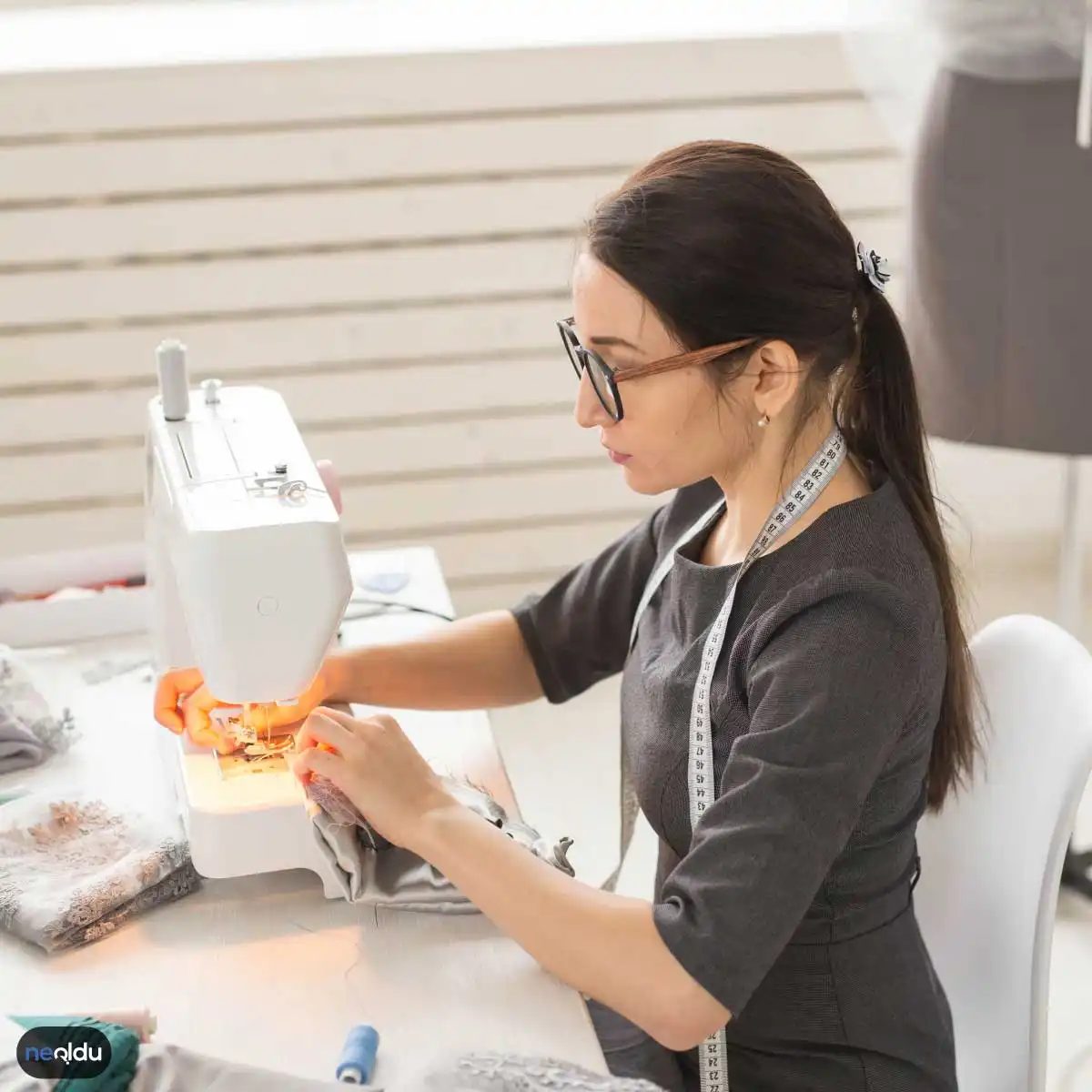
Why Some Garments Are Easier to Alter Than Others
Not every piece in your closet is a candidate for the tailor’s needle. You can resize almost anything, but some items are simply more forgiving. Others can be ruined by a single bad cut. If you are looking to save money or extend the life of your wardrobe, knowing which fabrics and cuts hold up best is a practical skill.
Trousers: The Most Forgiving Fit
Pants are the low-hanging fruit of alterations. They are versatile, used in both office settings and casual weekends. The adjustments are usually straightforward. Maybe the waist is gaping. Maybe the hem is dragging on the floor.
It is common to take in the waistband for a snugger fit. You can also taper the legs. If you bought a wide-leg style that feels too bulky, narrowing the leg opening is a standard procedure. Hemming length is another easy win. The structure of trousers allows for these changes without destroying the garment’s silhouette.
Dresses: Versatile Structure
Dresses offer multiple entry points for adjustments. Because they cover the torso and legs, there are more places to tinker. You might need to take in the side seams under the arms for better comfort. Shoulders can be adjusted, though this is trickier.
The length is often the first thing women want to change. Shortening a maxi dress or raising the hem of a mini is relatively simple. You can also alter the waistline to emphasize an hourglass shape. Changing the skirt’s silhouette—like going from an A-line to a pencil cut—is possible, though more complex.
Jackets and Blazers: Tailoring Essentials
Jackets are built to be tailored. They often require structural changes because fit issues here are noticeable. The shoulders and chest area frequently need tweaking. If a blazer feels boxy, taking in the sides can create a more flattering shape.
Sleeve length is a common request. Shortening long sleeves is easy. Lengthening them is harder, depending on the cuff design. Details like buttons, lapels, and pockets can also be modified. Adding a pocket or changing button placement can update an old jacket’s look entirely.
Shirts: Functional Adjustments
Shirts are practical to alter. You can shorten sleeves for warmer weather. You can lengthen them if you find yourself constantly rolling up cuffs. Adjusting the overall fit is straightforward. Taking in the sides makes a shirt less baggy. Letting out seams is possible if there is enough fabric in the seam allowance.
The goal here is wearability. A shirt that fits right feels like a second skin. One that is too loose looks sloppy. Small changes make a big difference in how professional or casual the piece appears.
Skirts: Simple Geometry
Skirts are straightforward. They are essentially tubes of fabric. Taking in the waist is a standard alteration. Letting it out is possible if the seams are generous. Length is easily adjusted. You can turn a knee-length skirt into a midi with a simple hem.
Changing the style is more involved. Converting a pleated skirt into a plain one requires more skill. But for basic fit issues, skirts are highly adaptable. They don’t have the complex structure of jackets or the multiple panels of dresses.
Key Considerations When Altering Clothes
Before you hand over a garment, consider the fabric. Some materials fray easily.
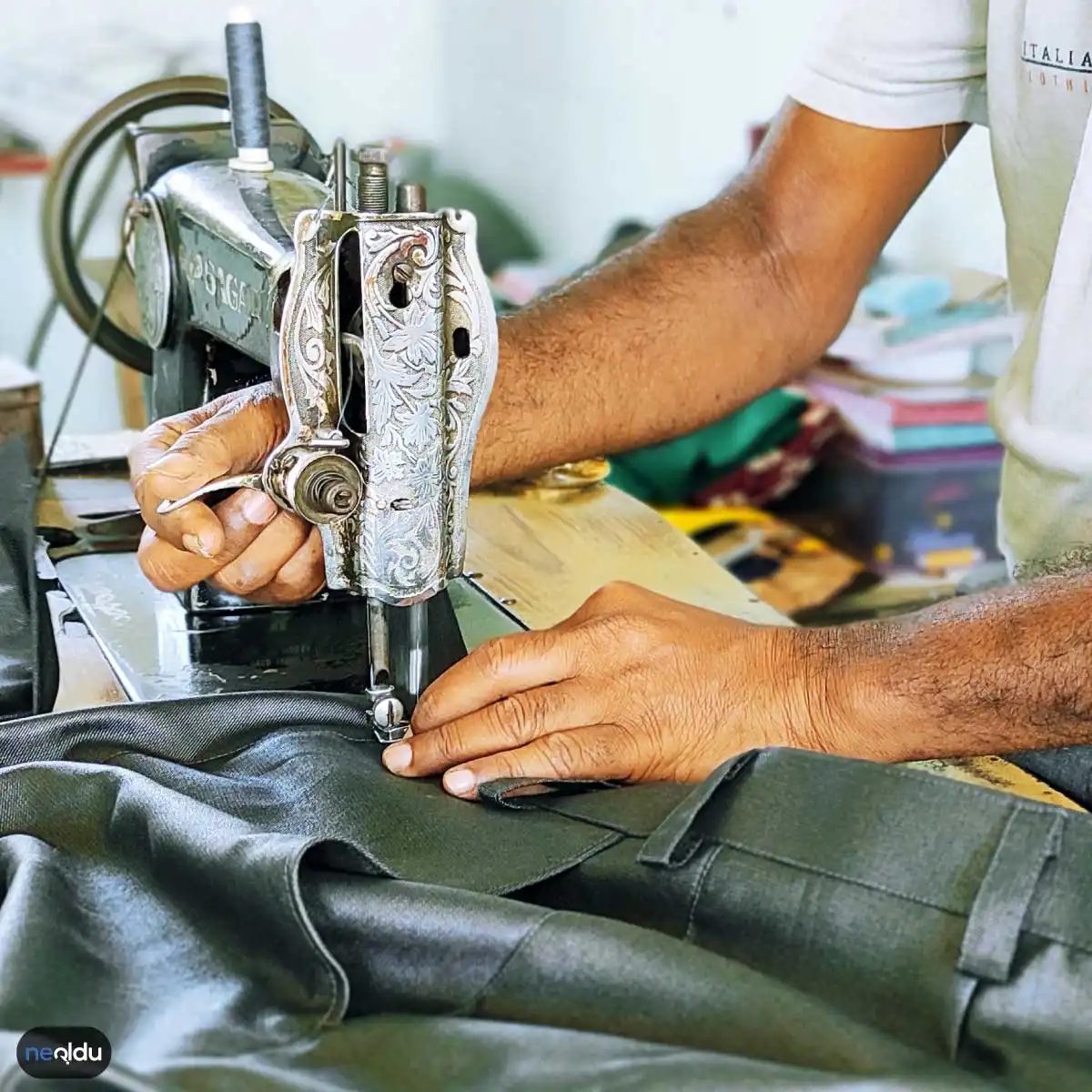
Planlama yapın
Kıyafet tadilatı yapmak, giysiyi sıfırdan dikmekten daha riskli olabilir. Bir hata yaptığınızda kurtuluş yok. O yüzden, makasınızı kaldırmadan önce ne yapacağınızı netleştirin. Hangi bölgeye müdahale edeceksiniz? Beliniz mi inceliyorsunuz, yoksa kollarınızı kısaltıyor musunuz?
Bu adımda takılmak, zaman kaybıdır. Amaç, hataları engellemek.
Doğru aletleri kullanın
Sıradan ofis makasları, kalın kumaşlarda sinir bozucu bir sonuç verir. Kırık iplikler, düzensiz kenarlar. İşinizi kolaylaştırmak ve profesyonel bir görünüm elde etmek için keskin makaslar, uygun dikiş ipliği, iyi iğneler ve sorunsuz çalışan bir dikiş makinesi şart.
Kaliteli araçlar, sonuç kalitesini doğrudan etkiler.
Kıyafetin yapısı ve malzemesine dikkat edin
Her kumaş farklı davranır. İpek kaygan geçer, kot ise iğneye direnç gösterir. Süslemeler ve dikiş detayları da dikkate alınmalı. Yaptığınız değişiklikler, giysinin yapısına uygun olmalı. Yanlış teknik, kumaşı yırtabilir veya deforme edebilir.
Ölçüleri doğru alın
Tadilatın kalbi ölçüdür. Kıyafetin yeni formunu belirleyen şey, doğru alınan ölçülerdir. Yanlış ölçüm, giysinin vücuda oturmamasına neden olur. Görünüm bozulur. Mantık yürütün; ölçü aldığınızda giysiyi üzerinde deneyin.
Dikiş kalitesine dikkat edin
Gizli detaylar, giysinin dayanıklılığını belirler. Dikişlerin sağlam ve düzgün olması, işinizin kalitesini gösterir. Sıkı dikiş, daha uzun ömür demektir.
Kıyafet Tadilatı İçin Gereken Araç ve Malzemeler
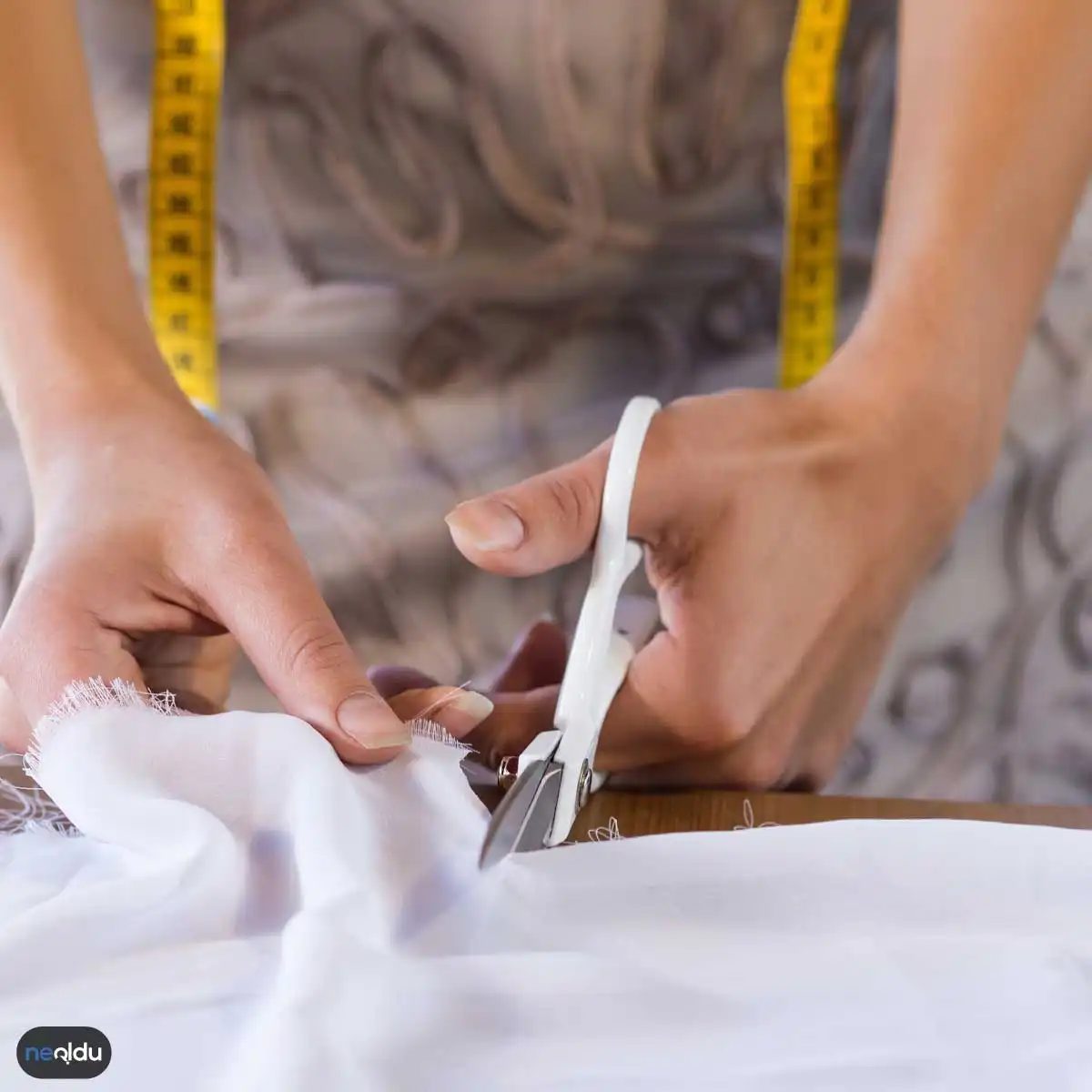
The toolkit you actually need
Throwing away clothes because they don’t fit anymore is a waste. You can fix them. But you will ruin the garment if you grab the wrong scissors or the wrong needle. You need the right gear.
Sharp fabric scissors are non-negotiable. Using paper scissors or dull blades crushes the fibers. The cut will be jagged. It frays immediately. A clean cut keeps the edge stable. It makes sewing easier later.
Thread choice matters more than you think. Match the thread type to the fabric. Cotton for cotton. Polyester for synthetics. And for heaven’s sake, match the color. Mismatched thread screams amateur hour. It ruins the aesthetic even if the stitching is perfect.
Needles vary by project. Use small to medium needles for general prep work. Switch to larger eyes and stronger shafts for thick denim or leather. A thin needle in heavy fabric just snaps. Or it bends. And then you have a broken tip inside your jacket.
A sewing machine speeds up the process significantly. Hand stitching a hem takes forever. A machine takes minutes. You don’t need to buy brand new. A used machine works fine if it’s in good condition. Test the tension before you buy.
A ruler is your best friend for consistency. Freehand lines are rarely straight. A clear ruler helps you mark precise lines. It ensures symmetry. Asymmetry looks messy, not chic.
“The difference between a DIY repair and a professional look often comes down to the sharpness of your tools.”
Which clothes are worth fixing?
Not every garment deserves your time. You have to be selective. Thick, durable fabrics hold up to repeated stitching. Denim, wool, heavy cotton. They forgive mistakes better than silk or thin rayon.
Look at the construction. Simple seams are easy to unpick. Complex linings or boning? Skip it unless you’re experienced. The structure dictates the difficulty. If the fabric is cheap, the repair might cost more than the item itself.
Tools vs. skills
You need the basics. Needles. Scissors. Thread. Buttons. A machine. But tools aren’t enough. You need to understand the garment’s structure.
Measure twice. Cut once. This cliché exists for a reason. Wrong measurements lead to crooked hems. Crooked hems look sloppy. Quality control is part of the process. Inspect your tension. Pull on the seams gently to check strength.
DIY vs. Professional help
Should you do it yourself? It depends.
If the project is simple. Hemming pants. Taking in a side seam. You can save money and time. It’s a practical skill. It gives you control over the fit.
If the garment is complex. Structured jackets. Delicate fabrics. You don’t have the experience. Take it to a tailor. Professional results matter for expensive pieces. Or for pieces you plan to wear often.
There is a middle ground. Learn the basics. Start small. Build confidence. But don’t risk ruining a vintage find or a high-quality coat just to save twenty bucks. Know your limits.