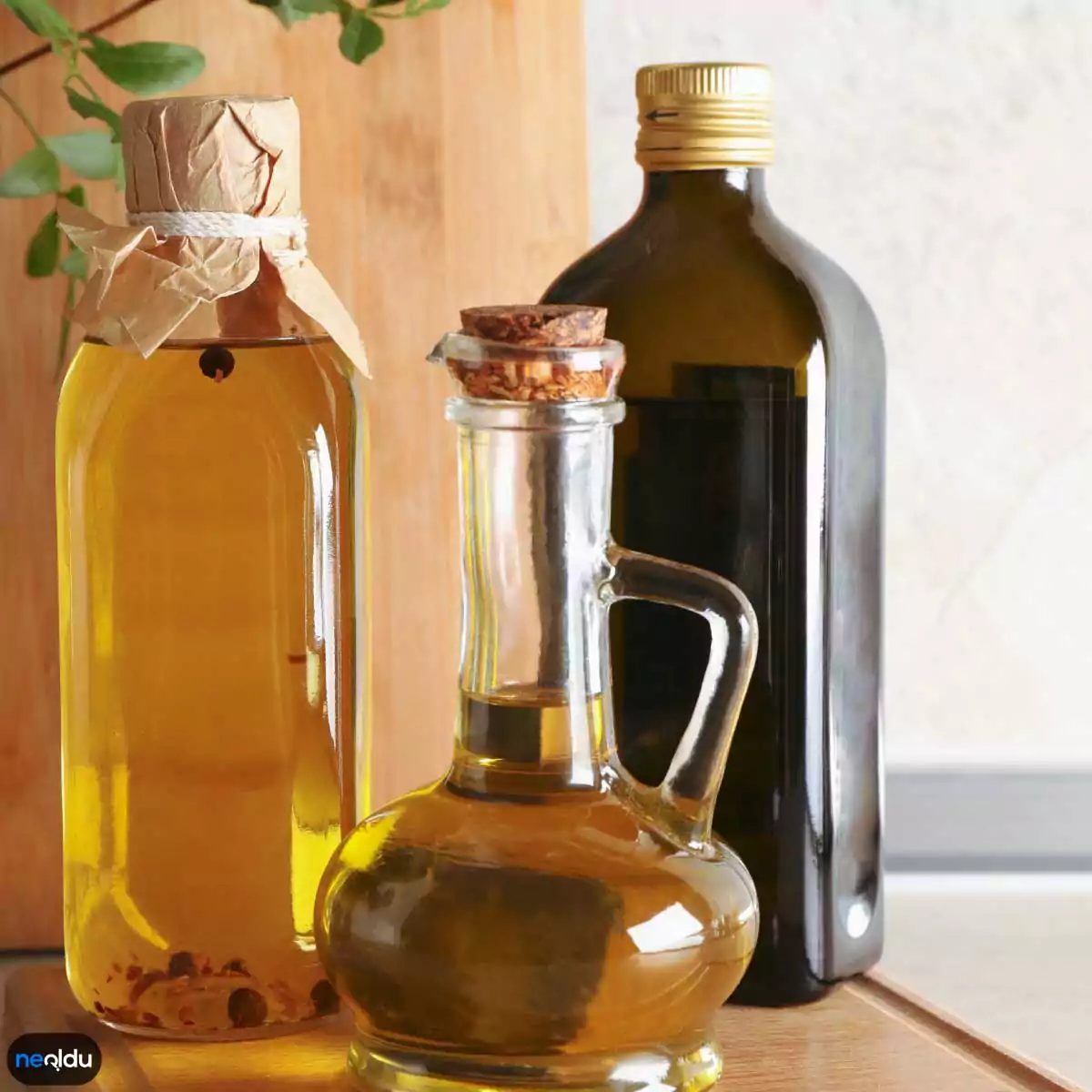
Split ends are the bane of everyone’s existence. Whether you have thick curls or pin-straight fine hair, dealing with breakage feels like a constant battle. We all want that glossy, healthy shine. But let’s be real. Heat styling, chemical treatments, and environmental stressors take a toll.
There are natural ways to stop the damage in its tracks. Some methods might seem old-fashioned. They work. Here is how to tackle the problem before it travels up your hair shaft.
Why Castor Oil is Your Hair’s Best Friend
You might have seen castor oil (or Hint Yağı in Turkish sources) popping up in every hair care routine on social media. It’s not just hype. The thick, viscous nature of this oil is the key. It doesn’t just sit on top of your hair. It penetrates the cuticle.
Why does this matter? Split ends are essentially open doors for moisture to escape. When your hair is dehydrated, it becomes brittle. It snaps. Castor oil creates a barrier. It locks hydration in.
Most people hesitate because castor oil is sticky. It’s heavy. But that heaviness is exactly what you need for damaged ends. It adds weight. It prevents the fragile tips from whipping around and splitting further.
“Castor oil doesn’t just condition. It physically strengthens the hair shaft, reducing the mechanical stress that causes breakage during brushing or styling.”
How do you use it without looking like you rolled in bacon grease? The trick is dilution. Mix it with a lighter oil, like jojoba or almond oil. This makes it easier to apply. Focus strictly on the ends. Avoid the roots. Your scalp doesn’t need that much occlusion.
Leave it on for at least an hour. Overnight is better if you can handle the pillowcase mess. Then wash it out with a gentle shampoo. You might need to shampoo twice to get all the residue off.
The results aren’t instant. Hair grows slowly. But consistency changes everything. Over a few weeks, you’ll notice less hair in your brush. The ends will feel less like straw. It’s not a miracle cure for hair that’s been chemically destroyed beyond repair. But for maintenance? It’s powerful.
Is it worth the hassle? For some, the texture is a dealbreaker. For others, it’s the only thing that works. Know your hair type. If you have fine hair, use a minimal amount. If you have thick, coarse hair, you can go heavier. Listen to what your strands are telling you.
Why Your Hair Breaks (And How to Fix It)
Hair doesn’t just snap because you’re rough with it. Sometimes the roots are starving. That’s where the heavy hitters come in. We’re talking about a blend rich in vitamin E, Omega-6, and Omega-9 fatty acids. These aren’t just buzzwords. They are the actual fuel your follicles need to stop falling out at the root.
The strategy is simple but requires patience. Mix this oil base with either olive oil or mustard oil. The combination changes the viscosity, making it easier to work into stubborn, dry strands.
Apply it from the scalp down to the very tips. Don’t just slap it on top. Massage it in. Use your fingertips, press down, work the oil into the scalp. This isn’t just about coating the hair; it’s about stimulating blood flow. When you do this regularly, over weeks and months, you start seeing the breakage stop. The damaged sections begin to heal from the inside out.
The Hot Oil Method
But why stop at room temperature? Heat changes everything.
Hot Olive Oil Mask
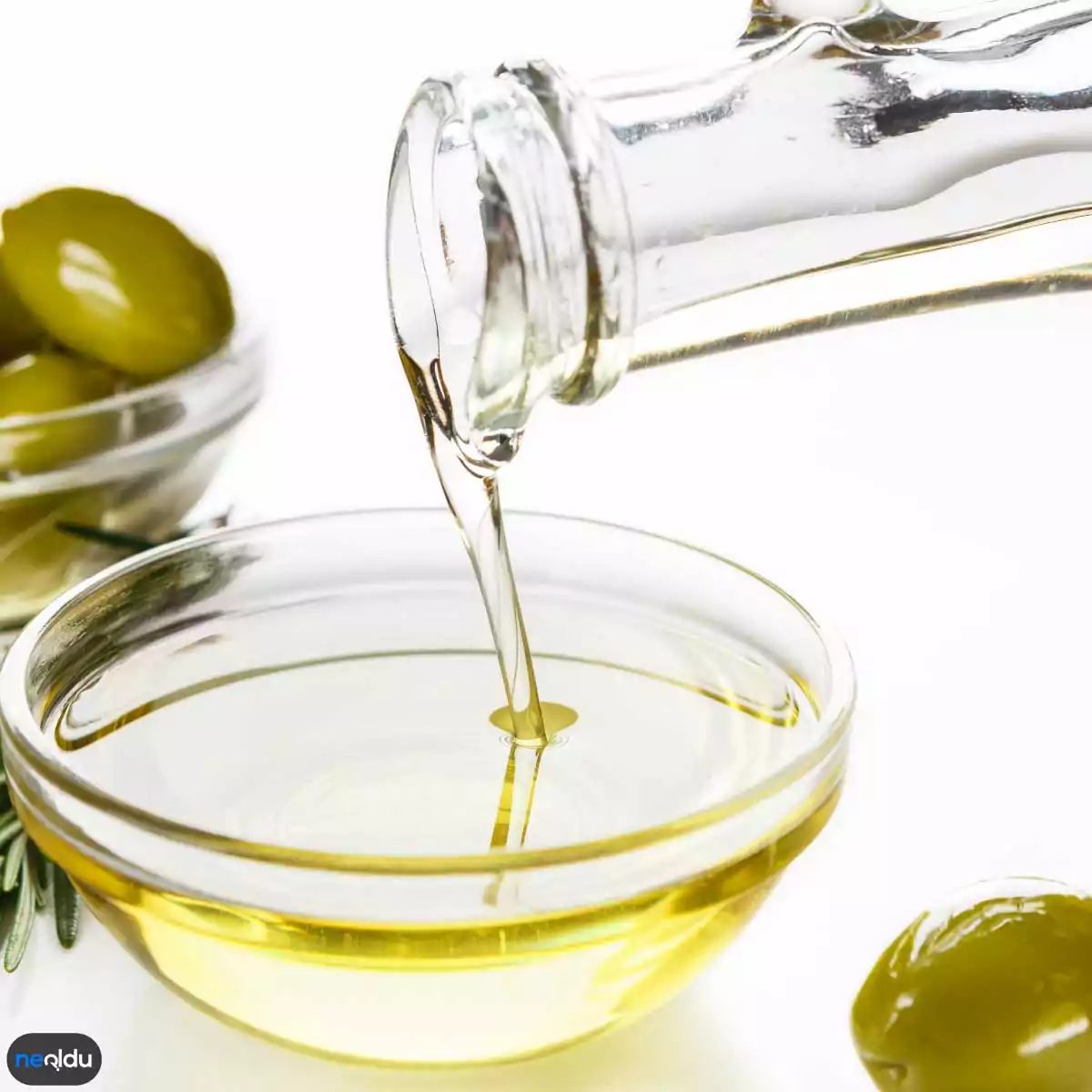
Zeytinyağı sadece mutfak dolabında saklı kalmak için değil, aynı zamanda saçı beslemek için de kullanılabilir. Bu yağ, saç tellerini derinlemesine nemlendirerek kırılganlığı azaltır. Sonuç olarak, kırılmaları önlemeye yardımcı olur. Özellikle kuru ve hasar görmüş saçlar için idealdir.
Bu yağı tek başına veya başka doğal yağlarla birleştirerek kullanabilirsiniz. Hindistan cevizi yağı ile karıştırıldığında, saçlara ekstra güç kazandırır. Argan yağı ile birleştirildiğinde ise parlaklık ve yumuşaklık artar. Bu kombinasyonlar, saçı dış etkenlerden korumaya yardımcı olur.
Uygulama süreci basittir. Öncelikle zeytinyağını saçlarınıza uygulayın. Maske gibi davranmasını sağlayın. En az 20 dakika bekletin. Bu süre, yağın saç köklerine ve kılcallara işlenmesini sağlar. Bekleme süresi dolduğunda, hafif bir şampuanla saçlarınızı yıkayın. Böylece yağ artıkları temizlenir.
Shea Yağı ile Bakım
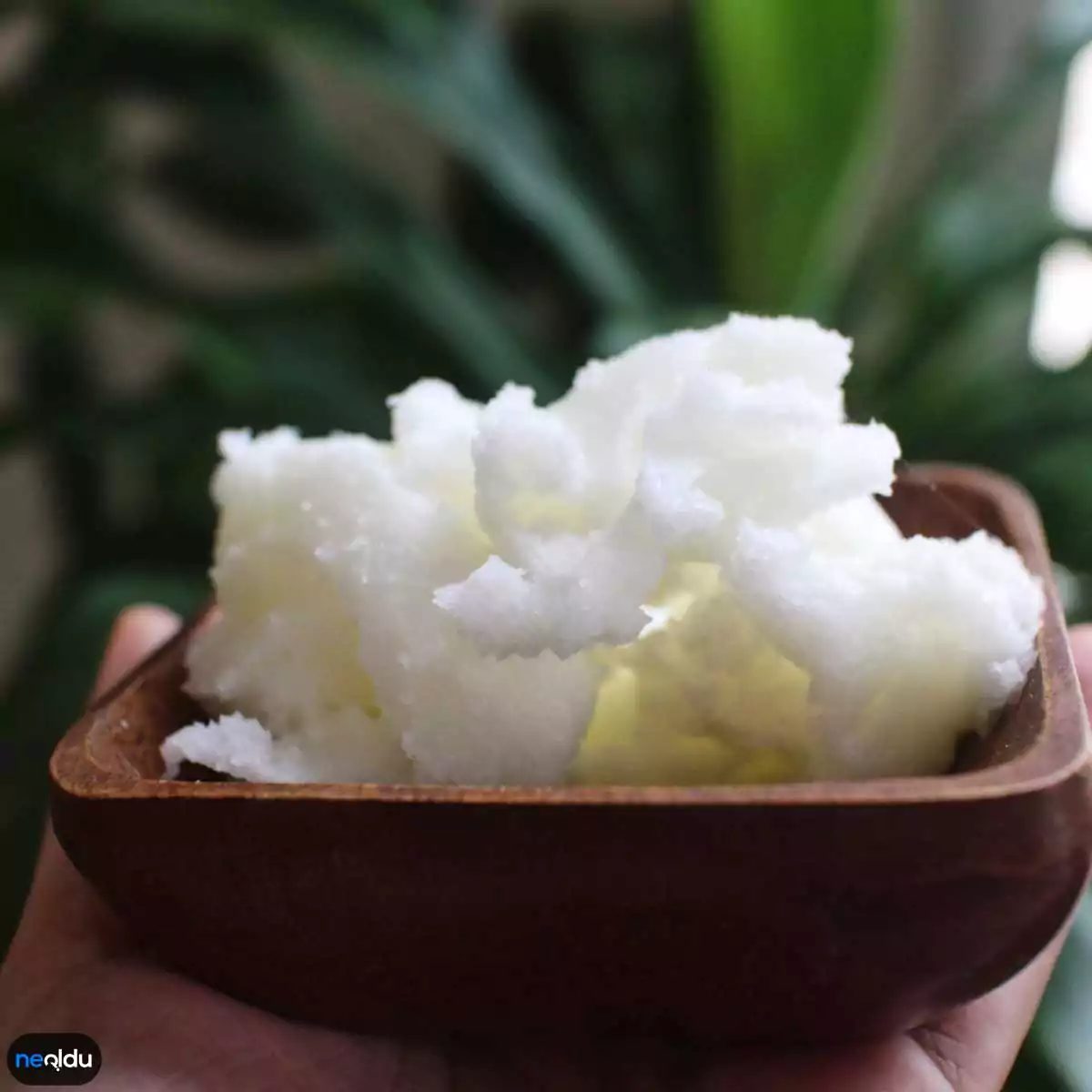
Shea butter isn’t just another ingredient on a label. It’s a heavyweight champion for damaged hair. The base is rich in vitamins A, D, E, and F. Think of it as a multivitamin for your strands. It packs a powerful antioxidant punch too.
The result? Noticeable elasticity. Your hair stops snapping under tension. It repairs breakage at the source. Not just masking the damage, but actually fixing it.
How do you use it? Keep it simple. Apply to damp or dry hair. Leave it in for about fifteen minutes. Let the heat of your scalp or a warm towel help it penetrate. Then rinse thoroughly with shampoo. You’ll feel the difference immediately. Less brittleness. More bounce.
Jojoba Oil Application
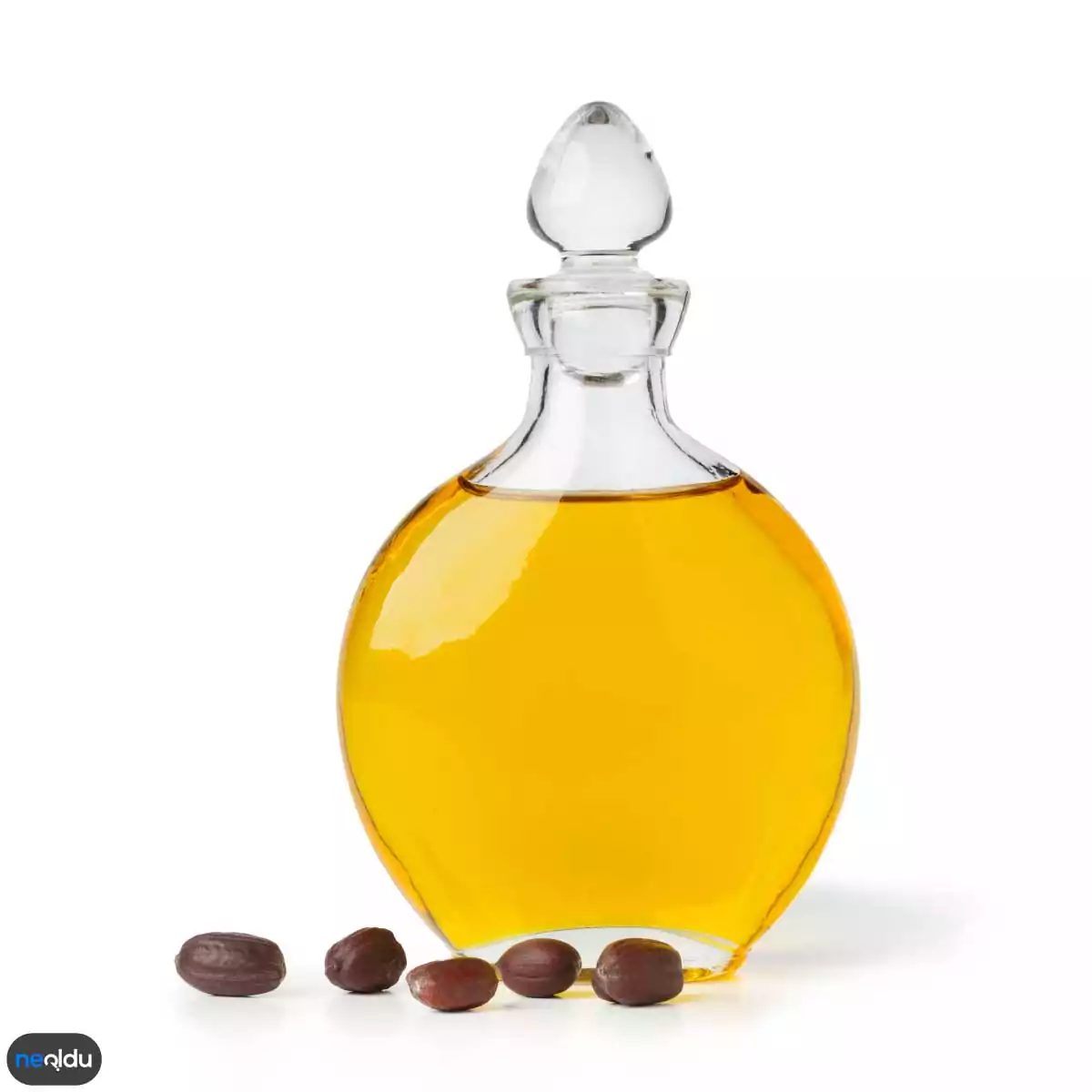
Why Jojoba Oil Is the Hair Care Staple You Need
If you are tired of stripping your strands with heavy silicones, jojoba oil might be the reset button your hair routine needs. This isn’t just another trendy ingredient; it is a carrier oil that closely mimics the natural sebum your scalp produces. That similarity is exactly why it works so well without clogging pores or weighing hair down.
The benefits are straightforward. It penetrates from root to tip, restoring moisture balance where it matters most. If you have been dealing with split ends or dryness, applying it after a shower can help seal in hydration and prevent further breakage.
Over time, consistent use leads to noticeable changes. Hair feels stronger. It shines more. You stop chasing temporary fixes and start dealing with the structural health of your strands.
Jojoba oil mimics natural scalp oils, making it a non-greasy, highly effective moisturizer for all hair types.
How to Use It Without Looking Greasy
Many people avoid oils because they fear the “wet look” that never dries. Jojoba is different. It absorbs quickly. But timing is everything.
- Post-Shower Application: Apply to damp hair. This traps water within the cuticle.
- Focus on Ends: The oldest damage is usually at the tips. Root application is only needed if your scalp is dry or itchy.
- Start Small: A few drops are enough. You can always add more.
This routine prevents the brittle feel that comes from environmental exposure. It keeps the hair flexible. Flexible hair doesn’t snap when you brush it or tie it back.
Who Should Skip It
Not every oil suits every scalp. If you have extremely fine hair that gets flat instantly, you might want to dilute the oil with a lighter serum. Or perhaps try it just on the last inch of your hair length.
For others with thick, curly, or chemically treated hair, it can be a lifesaver. The key is observation. Watch how your hair reacts over two weeks. Does it feel clean? Does it have bounce?
There is no one-size-fits-all answer in beauty. But for moisture retention and strength, jojoba remains a reliable choice. It doesn’t promise overnight miracles. It promises consistency. And in hair care, consistency is usually the real secret.

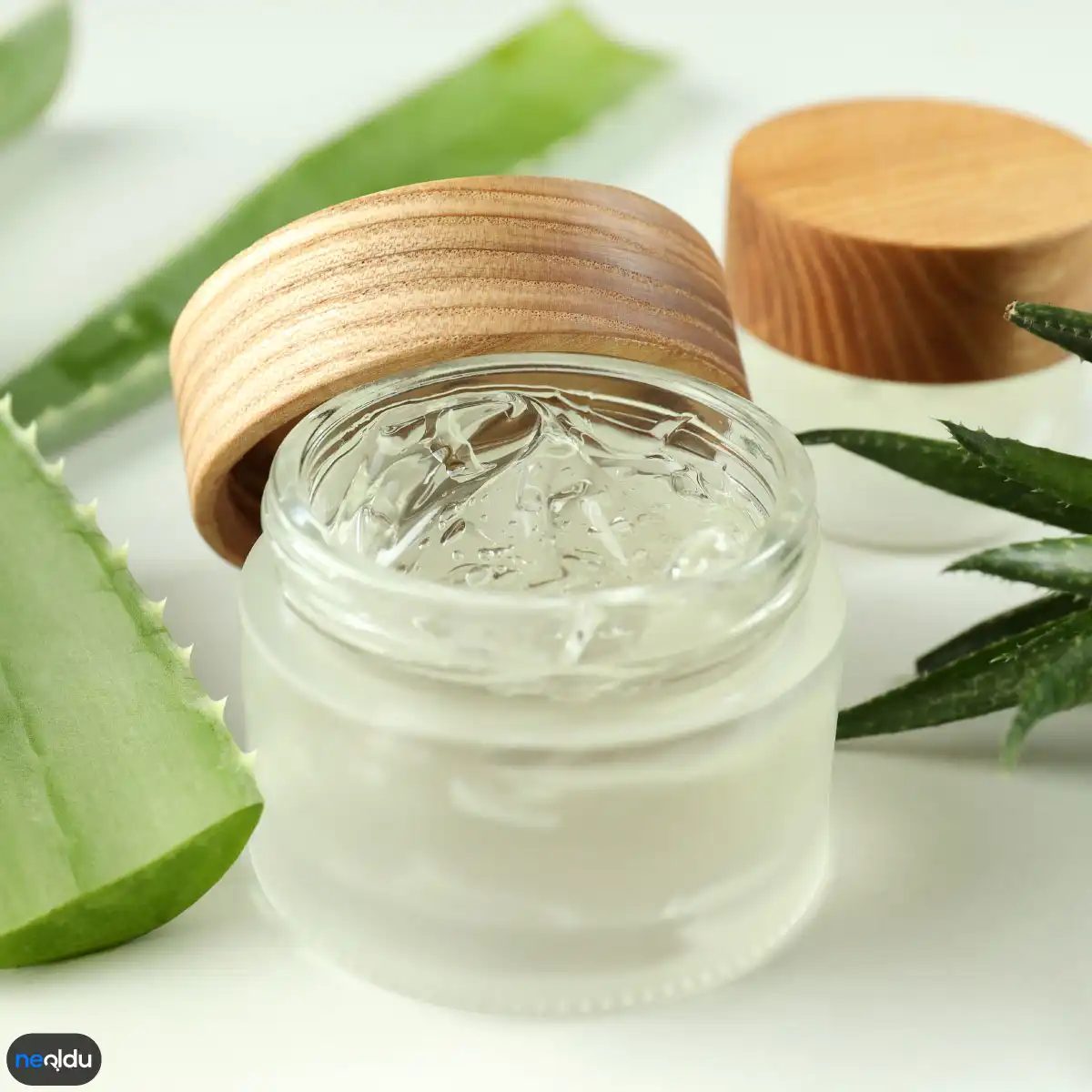
Gür, sağlıklı ve parlak bir saça sahip olmak çoğu zaman zorlu bir süreç gibi dursan da aslında doğru ürünleri seçmekle başlıyor. Piyasada yüzlerce iddialı ürün var ama temel ihtiyaçlarınız oldukça net. Özellikle saç kırıklarını önleyen yağlar arayanlar için sadece pahalı şampuanlar değil, doğal bileşenler de büyük bir çözüm sunuyor.
İşte saç yapınızı korumak ve onarmak için bilmeniz gerekenler.
Aloe Vera’nın Saç İçin Sırrı
Çoğu kişi aloe verayı sadece güneş yanığına iyi gelen bir jel olarak bilir. Haksız da değiller, ama saç için daha fazlası var.
Aloe vera, saç derisini derinlemesine nemlendirir. Kuruluktan kaynaklanan kaşıntıyı ve cızırtıyı keser. Saç kılçığınızı yumuşatır. Bu da taramayı kolaylaştırır, kopmayı azaltır.
Deneyimli bakımcılar aloe vera jelinin saç kırıklarını gidermeye yardımcı olduğunu, dökülmeyi azalttığını ve doğal bir parlaklık kazandırdığını belirtir. Kullanımı basit. Sadece badem yağıyla karıştırıp saç diplerine ve uçlarına uygulamanız yeterli. Bu kombinasyon hem besler hem de nem dengesi kurar.
Kırıkları Fısılda: Önleyici Bakım Alışkanlıkları
Yağlar harika, ama tek başına sihir yapmaz. Kırıklar saçınızın zayıf noktasında oluşur. İşte bu noktalara odaklanmanız gereken gerçekler:
- Su sıcaklığına dikkat edin. Aşırı sıcak su, saçınızın doğal yağlarını söker. Ilık su ile yıkayın.
- Kimyasalları sınırlandırın. İçeriği belirsiz, ağır kimyasallar içeren ürünlerden uzak durun. Doğal içerikli şampuanlar saç kılçığını daha az yıpratır.
- Islak saça dokunmayın. Islak saç en kırılgan halidir. Taramak yerine parmaklarınızla nazikçe dağıtın. Havlu ile ovmak yerine, nemini nazikçe emerek kurulayın.
- Isı dostunuz olmasın. Fön ve maşa kullanımı minimumda tutun. Zorunluluk varsa mutlaka koruyucu sprey kullanın.
- İçten besleyin. Saçınız dışarıdan aldığı bakımı, içeriden aldığı besinle tamamlar. Dengeli beslenmek, saç sağlığını doğrudan etkiler.
Hangi Yağ Hangi Soruna İyi Gelir?
Aradığınız saç kırıklarını önleyen yağlar listesinde ilk sırada genellikle argan yağı, hindistan cevizi yağı ve zeytinyağı gelir. Her biri farklı bir probleme odaklanır.
Argan yağı, ince telli saçlar için idealdir. Ağırlık yapmaz, parlaklık