Rings have always been more than just metal on your finger. They are statements. Symbols. Small anchors for your story. Today, wearing a single ring feels almost like an afterthought. The trend has shifted entirely toward stacking. Layering multiple bands on one or both hands is no longer a niche fashion choice. It is the standard for personal expression.
Why limit yourself to one piece of jewelry when you can tell a whole story?
Stacking rings adds depth to your look. It allows for creativity that a solitary band simply cannot match. Each piece carries weight. Meaning. History. When you wear them together, you are curating a narrative about who you are right now. But it is not just about wearing more. It is about wearing more with intention.
The Art of the Stack
You might be wondering where to start. Does it look cluttered? Does it match? The key lies in understanding that every ring you choose adds a chapter to your personal brand.
Start by looking at your existing collection. Do you have a vintage heirloom? A minimalist gold band from a recent trip? A chunky silver signet? These disparate elements can coexist. In fact, they thrive when mixed. The contrast between textures and eras creates visual interest. It signals confidence. You are not afraid to show off your individual pieces.
However, there are rules. Not laws. Guidelines.
Balance is everything. If you are wearing a heavy, statement ring on your middle finger, keep the surrounding bands delicate. Thin chains. Small stones. Simple gold loops. Let the hero piece shine.
Think about the hand. You do not need to stack both hands equally. One hand can be bold and busy. The other can be understated. This asymmetry feels modern and effortless.
Practical Tips for a Polished Look
- Vary the metals. Mixing gold and silver is no longer a faux pas. It adds complexity. Just ensure the metals have a similar finish (matte vs. polished) to keep the look cohesive.
- Mind the finger length. Wider bands look best on longer fingers. Delicate stacks work well anywhere. If you have shorter fingers, stick to thinner bands to avoid overwhelming your hand.
- Leave some space. Don’t cram every finger. Leave gaps. Negative space is what makes a stack look intentional rather than accidental.
“Your hands should tell your story, not distract from it.”
Consider the context of your day. A professional meeting might call for a minimalist stack. A weekend brunch allows for maximum expression. There is no wrong answer. Only what feels authentic to you.
Why It Matters
This isn’t just about accessories. It is about agency. You decide what goes on your hands. You decide what stays. Over time, your collection grows. Each ring marks a moment. A victory. A loss. A love. Wearing them together is an act of self-recognition.
So, why not try it? Pick up three rings. Place them on different fingers. See how they feel. Do they speak to you? If yes, add a fourth. If no, take one off. Experimentation is the only way to find your unique rhythm.
The stack is yours to build. Start small. Build slowly. Let it evolve with you.
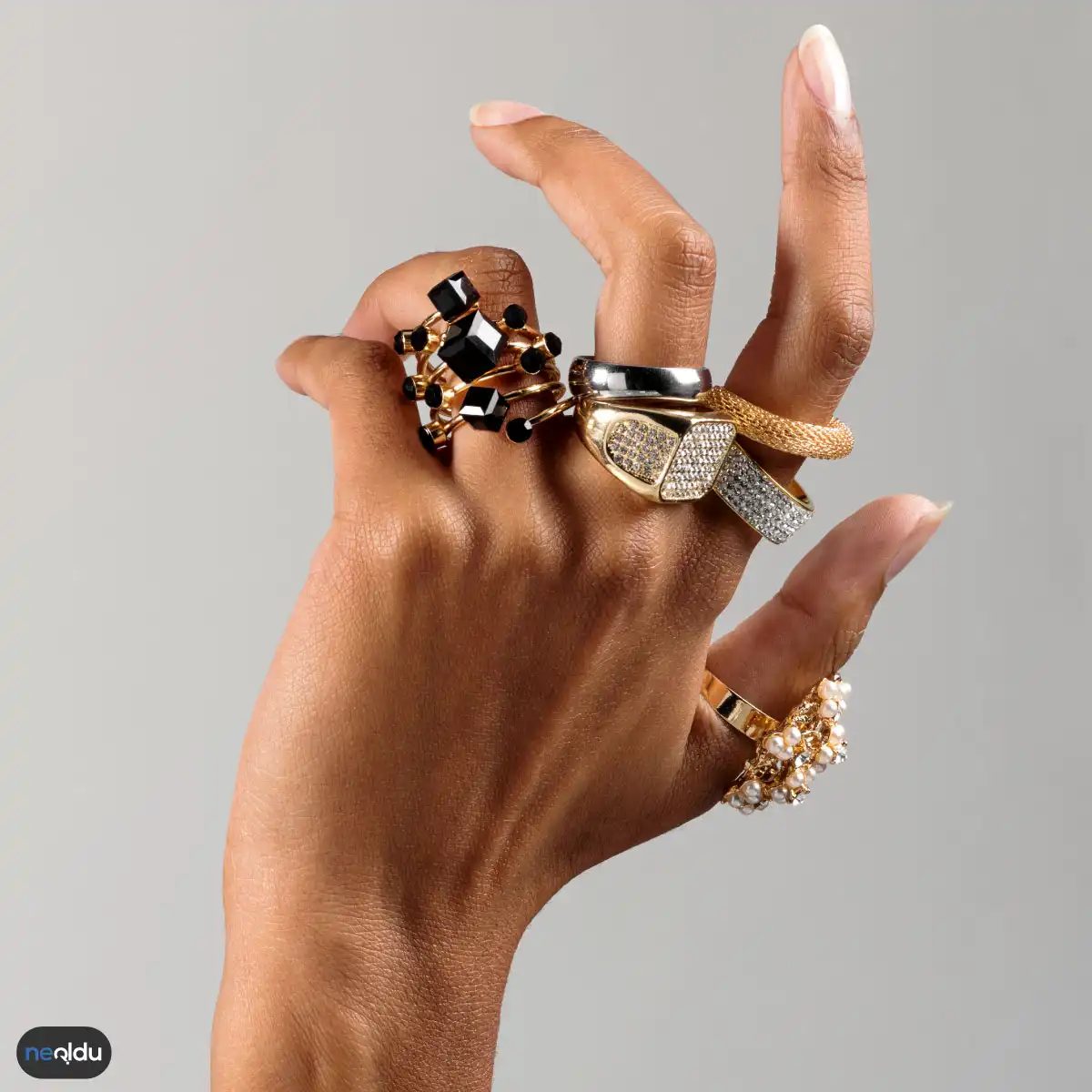
Birden fazla yüzük takmak, bilek veya kolye seçiminden daha kişisel bir ifade biçimi. Sadece aksesuar değil, tarzınızın bir yansıması. Ancak bu özgürlük, hatalı kombinasyonlarla kargaşaya dönüşebiliyor. Her parmağa rastgele yüzük takmak değil, dikkatli bir denge kurmak söz konusu. Farklı boyutlar, taşlar ve metal tonlarını bir araya getirirken dikkat edilmesi gereken kurallar var.
El Yapınıza Uygun Yüzükleri Seçin
Parmaklarınızın yapısı, hangi yüzüklerin sizin için işlevsel olduğunu belirler. Uzun ve ince parmaklara sahipseniz, bolca alternatifiniz var. İnce zincirler, minimalist halkalar ve hatta biraz daha ağır tasarımlar bile parmaklarınıza oturur. Burası sizin sahneniz.
İnce parmaklıysanız iş biraz daha stratejik. Çok ince, neredeyse görünmez halkalar tek başına yetmeyebilir. İşte burada devreye kalınlık giriyor. Baş parmağınıza belirgin, daha kalın bir yüzük takın. Diğer parmaklarınıza ise iki veya üç ince halkayı yan yana yerleştirin. Bu kontrast, ince parmaklarda bile hacim ve ilgi odağı yaratır.
Kısa parmaklıysanız, dikkat dağıtmamak için ince profilli yüzüklerle ilerlemek en güvenli yol. Kalın, büyük taşlı modeller parmağınızı daha kısa gösterebilir. İnce halkalar ise parmağın çizgisini uzatır, daha zarif bir siluet çizer.
El yapınızı tanımak, kural dışı kombinler yaratmanın ilk adımıdır.
Yüzüklerin Ölçeklerini Dengede Tutun
Çoklu yüzük takmanın en büyük tuzaklarından biri, tüm yüzükleri aynı boyutta veya aynı görsel ağırlıkta seçmektir. Bu durum, elinizde düzgün ama sıkıcı bir dizilim oluşturur. İlgi çekici bir görünüm için ölçek oyununu oynamanız gerekir.
Bir yüzük büyük ve belirginse (statement ring), diğerleri arka planda kalmalı. Örneğin, işaret parmağınıza büyük bir zümrüt veya altın bir blok yüzük taktığınızda, diğer parmaklarınızdaki halkalar minimal ve ince olmalı. Aksini yapmak, elinizdeki “cızırtı” hissiyle sonuçlanır. Göz yorgunluğu yaratır.
Karşıt boyutlar işi çözer. Kalın bir altın halka ile ince bir gümüş zincirin birleşimi, hem metalik tonlarda hem de hacimde kontrast yaratır. Bu denge, kombininizin profesyonel ve planlanmış görünmesini sağlar. Rastgele değil, hesaplanmış bir görünüm.
Farklı Metaller ve Tonları Bir Arada Kullanın
Eskiden tek metal kuralı vardı. Altınla altın, gümüşle gümüş. Artık bu kural
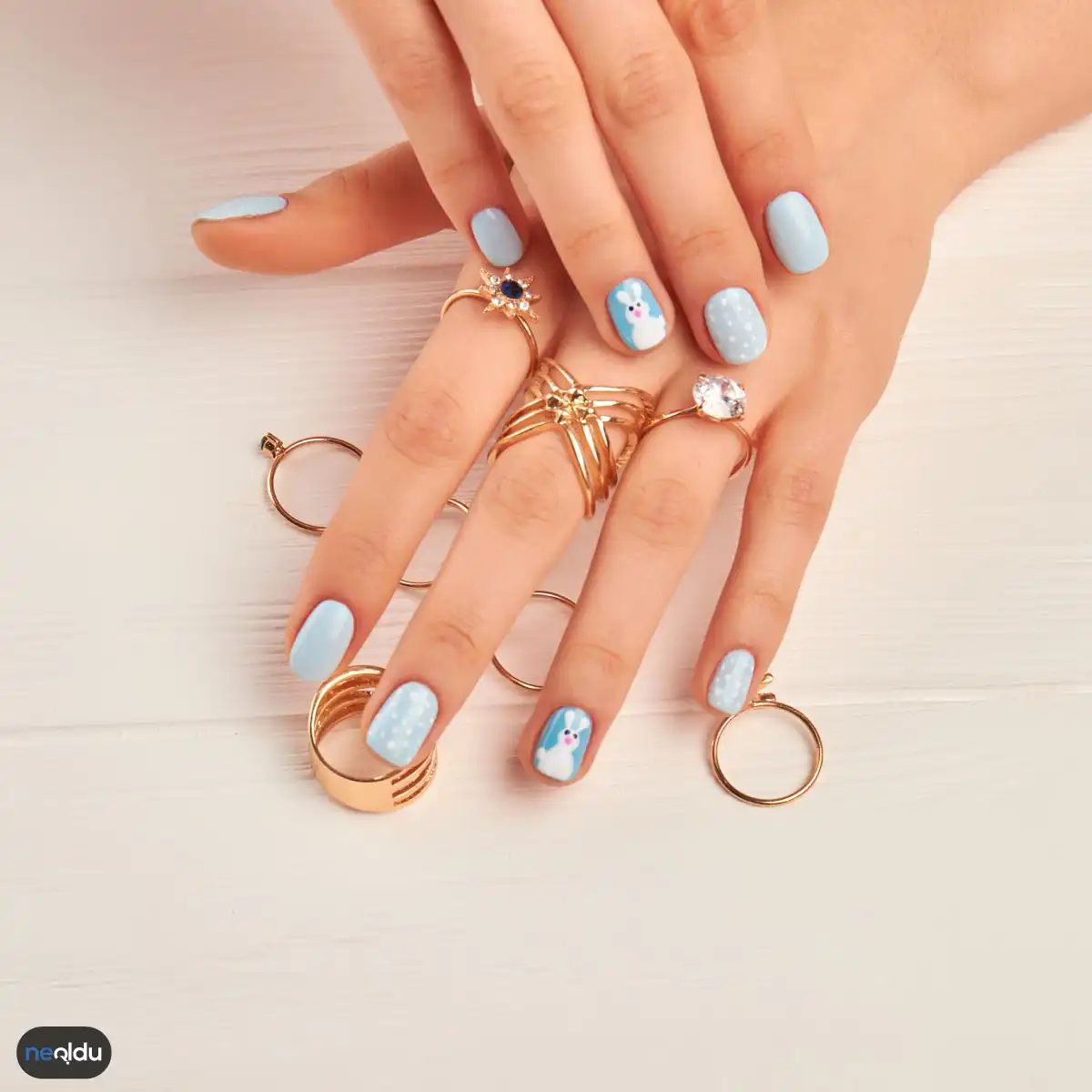
Your fingers aren’t uniform cylinders. They tapers, swell, and curve in ways that defy one-size-fits-all jewelry. Ignoring the unique shape of each digit leads to rings that look cluttered—or worse, slip off when you reach for your coffee.
It’s not just about aesthetics. It’s about fit.
Why Finger-Specific Sizing Prevents Disaster
A ring that is too loose will spin wildly. A ring that is too tight leaves indentations that linger long after you’ve taken it off. The sweet spot?
Snug, not suffocating.
If you’re struggling with ring sizing, pay attention to the base of your finger. That’s where the metal needs to rest. If your knuckles are significantly larger than your finger base, consider a slightly wider band or a design with internal comfort curves. This small adjustment makes a world of difference in comfort and security.
Pro Tip: Measure your fingers at the end of the day when they are slightly swollen from daily activity. Morning measurements often lead to rings that are too tight by evening.
3. Layering Is Not Just Stacking
Layering rings isn’t about throwing as much metal on your hand as possible. It’s about creating a narrative with your fingertips.
The mistake most women make is stacking three identical bands on the same finger. It looks heavy. It looks accidental.
Instead, try this:
- Spread the load. Put a thin band on your index finger, a statement piece on your middle finger, and a minimalist stack on your ring finger.
- Mix heights. If you’re stacking on one finger, vary the profile. A low-profile band next to a higher-set stone creates visual rhythm without adding bulk.
- Use the empty spaces. Don’t fear the gaps. The skin between rings is part of the design. Let your natural texture show.
This approach creates an interesting look, not just a crowded one.
4. Design Cohesion Over Randomness
You don’t need a matching set. You need harmony.
Chaos happens when you pair a vintage gold filigree ring with a chunky modernist platinum band and a delicate silver stack. The result? Visual noise.
Find the common thread.
Maybe it’s the metal tone. Maybe it’s the presence of a specific stone. Maybe it’s just the overall “vibe” (e.g., all minimalist, all ornate). When your rings share a design language, they work together even if they were bought years apart.
- Same metal? Safe. Classic.
- Mixed metals? Intentional. Edgy.
- Different stones? Complementary. Think earth tones or monochromatic hues.
5. Color Theory for Your Hands
Your skin tone dictates which metals and stones pop—and which ones disappear.
- Cool undertones? Silver, white gold, and platinum are your friends. Stones like sapphire, emerald, and amethyst bring out the pink or blue hues in your skin.
- Warm undertones? Yellow gold and rose gold enhance golden or peachy tones. Try amber, garnet, or citrine.
- Neutral undertones? You can wear almost anything. This is the luxury of inde

Yüzükleri bir arada kullanırken dikkat edilmesi gereken en önemli detay renk uyumudur. Aynı metal tonlarını veya aynı taşları tercih ettiğinizde kombinasyonunuzdan doğal bir bütünlük elde edersiniz. Ancak bu kural sizi sınırlamaz. Zıt renkleri kontrast olarak kullanmak ya da farklı metal tonlarını bir araya getirmek, bakışları üzerinize çeken dinamik bir görünüm yaratır.
6. Parmakta Boşluk Bırakın
Tüm parmağınızı yüzüklerle doldurmaya çalışmak yerine, negatif alanı kullanmak daha hafif ve dengeli bir duruş sağlar. Tabii ki sınırlarınız yok. İstediğiniz kadar yüzük takabilirsiniz ama boşluk bırakmak, look’unuzun havasız kalmamasını ve daha okunaklı olmasını sağlar. Aşırıya kaçmamak şartıyla özgür olun.
7. Diğer Aksesuarlarla Koordinasyon Kurun
Çoklu yüzük kullanımı diğer takılarınızla uyum sağlandığında bütünlük kazanır. Bilezik, kolye veya küplerinizle yüzüklerinizi eşleştirin. Örneğin, altın bir kolye ile altın yüzükler kullanmak veya gümüş tonlarını tutarlı kılmak look’u tamamlayıcı bir etki yaratır. Parçalar arasında kopukluk kalmamalı.
8. Kendi Tarzınızı Yansıtın
Sonuçta bu sizin imzanız. Kuralları ezberleyin ama sonunda kendi estetiğinizi yansıtacak şekilde şekillendirin.
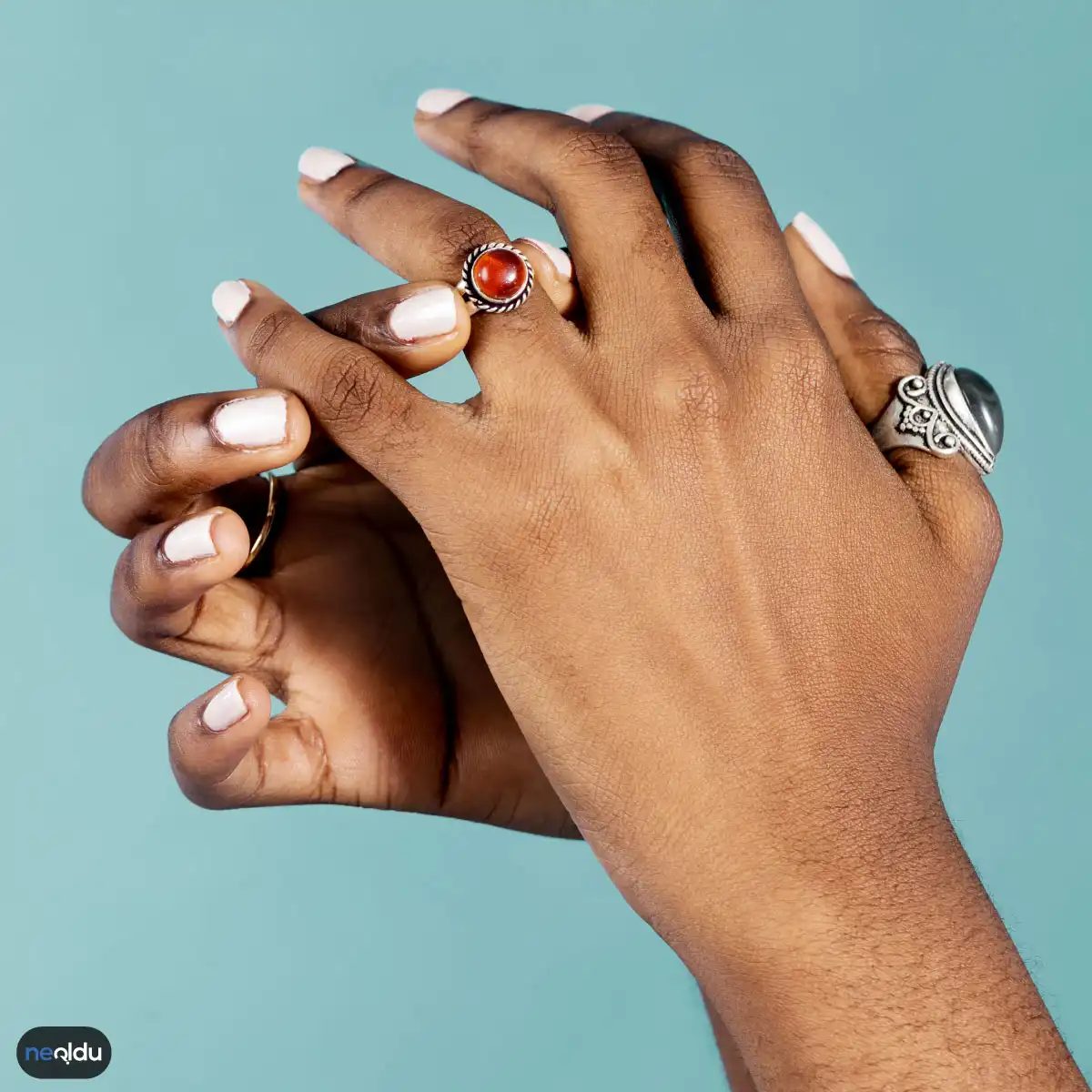
One of the best things about ring stacking is that you own the remote control to your style. You can flip your look from casual to couture depending on the day. Mix and match metals, stones, or simple bands. It is not about following a rigid rule book. It is about creating a signature look that shifts with your mood.
The result is a vibe that feels intentional. Not accidental. People notice. They might ask where you got that specific twisted band or why you paired a vintage gold piece with a modern minimalist stack. That is the power of variation.
Comfort Should Never Take a Backseat
Let’s be real. If an accessory bothers you, you will not wear it. Period.
When stacking, do not sacrifice mobility for aesthetics. There is nothing worse than fumbling with a tight ring while trying to type an email or hold a coffee cup. You want to feel free. Choose designs that sit comfortably on your finger without pinching or spinning uncontrollably.
Consider the profile of the rings. Low-profile settings are often safer for daily wear. They don’t catch on hair or clothing. High-profile stones might look stunning for a night out, but for everyday life? They are a nuisance. Prioritize pieces that let you live your life without constant adjustment.
How to Choose Rings That Last
Know Your Metal Preferences
Do you love the warm glow of gold? Or does the cool shine of silver call to you? Some women prefer mixing metals. Others stick to one tone for a cohesive look. Neither is wrong. Just be aware of how different metals age. Rose gold might develop a patina. Sterling silver tarnishes. Platinum stays bright.
Consider Your Lifestyle
Are you working with your hands? Do you gym daily? Are you always on your laptop? Your daily routine should dictate your ring choices. A delicate, intricate design might get snagged on a desk chair or damaged during a workout. Opt for durability when needed. Save the fragile pieces for special occasions.
Fit Is Everything
A ring that is too loose will spin and potentially fall off. One that is too tight will be uncomfortable and could restrict blood flow. If you are stacking multiple rings, consider how they interact. Some stacks work better with slightly different band widths. This prevents them from riding up on each other.
The Budget Factor
Stacking can get expensive quickly. You don’t need to buy a full set from the same collection. Thrift stores, vintage shops, and online marketplaces are goldmines for unique pieces. Mix high-end statement rings with affordable everyday bands. This approach keeps your look fresh without breaking the bank.
“Your jewelry should enhance your life, not complicate it.”
Start small. Add one or two rings at a time. See how they feel. Listen to your body. If it feels heavy, remove one. If it feels empty, add another. There is no final destination. Only the next combination.
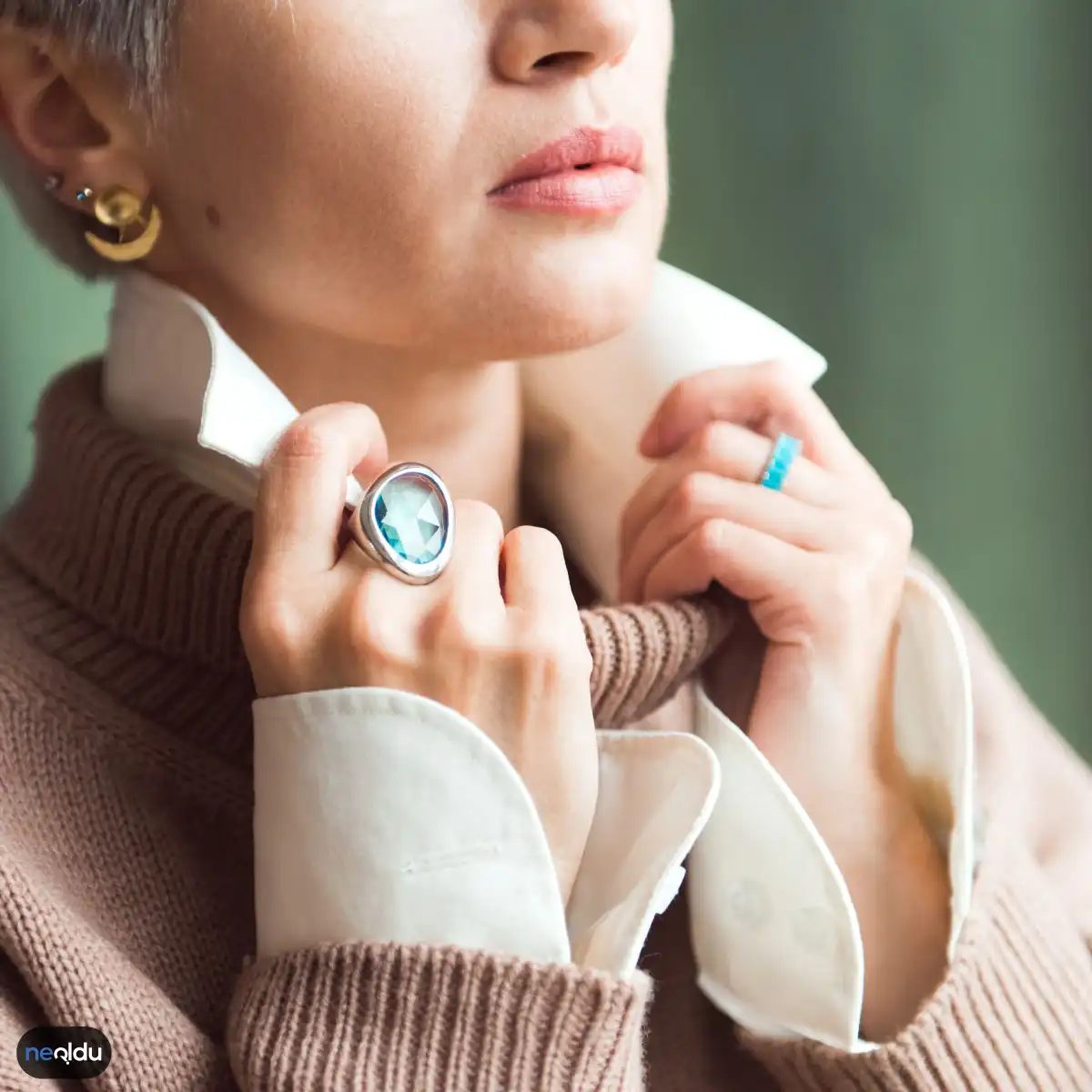
Ring Stacking Rules: Fit, Tone, and Style
Rings are power accessories. When picked right, they define your look. But stacking them? That takes work. You can’t just grab five random bands and call it fashion. Before you start layering, you need a plan. Here is how to do it without looking cluttered.
1. Get the Right Fit
Start with the basics. Measure your fingers. Seriously. A ring that fits one finger might slide off another or pinch a third. If you are planning to wear multiple rings at once, check every finger you intend to use. A loose fit feels casual. A tight fit feels uncomfortable. Find the sweet spot.
2. Match Your Skin Tone
Metal matters. Gold? Silver? Rose gold? Look at your wrist veins. Blue veins usually mean cool tones. Greenish veins mean warm tones.
- Cool tones shine in silver and platinum.
- Warm tones pop with yellow gold.
- Neutral tones can handle rose gold or mixed metals.
When your jewelry matches your undertone, you look polished. When it clashes, you just look like you threw on whatever was nearby.
3. Pick What Fits Your Vibe
This is where personality comes in. Are you minimalist? Stick to thin, simple bands. Are you bold? Go for statement pieces with stones or heavy metal. The key is cohesion. If one ring is vintage and another is modern tech-style, it might not work together.
Think about your daily style. Do you wear lots of black and grey? A silver ring might fit your vibe better than a bright gold one. Your rings should complement your clothes, not fight them.
“Stacking is about balance, not volume. Less is often more.”
4. Mix Textures and Metals (If You Dare)
Once you have your fit and tone down, you can get playful. Mixing metals is trendy now. Silver with gold looks chic if done right. It adds depth.
Mix textures too. A smooth band next to a hammered finish creates visual interest. But don’t go overboard. Too many different finishes in one stack can look messy.
5. Consider Weight and Comfort
You will wear these rings every day. If one is heavy and another is delicate, the heavy one might drag on the skin. It can leave marks. It can also catch on clothing. Choose rings that sit comfortably together. If you have to constantly adjust them, they aren’t the right pair.
6. The “One Focus” Rule
If you are wearing a large statement ring on your middle finger, keep the other fingers simple. A tiny band on your index and pinky can balance it out. If you wear rings on all fingers, make them similar in width and style.
Don’t make every finger a focal point. Your eyes need a place to rest.
7. Seasonal Shifts
Summer calls for lighter metals and bare skin. Winter might handle heavier, warmer tones better. You don’t have to change your entire collection, but swapping one or two rings for the season keeps your look fresh.
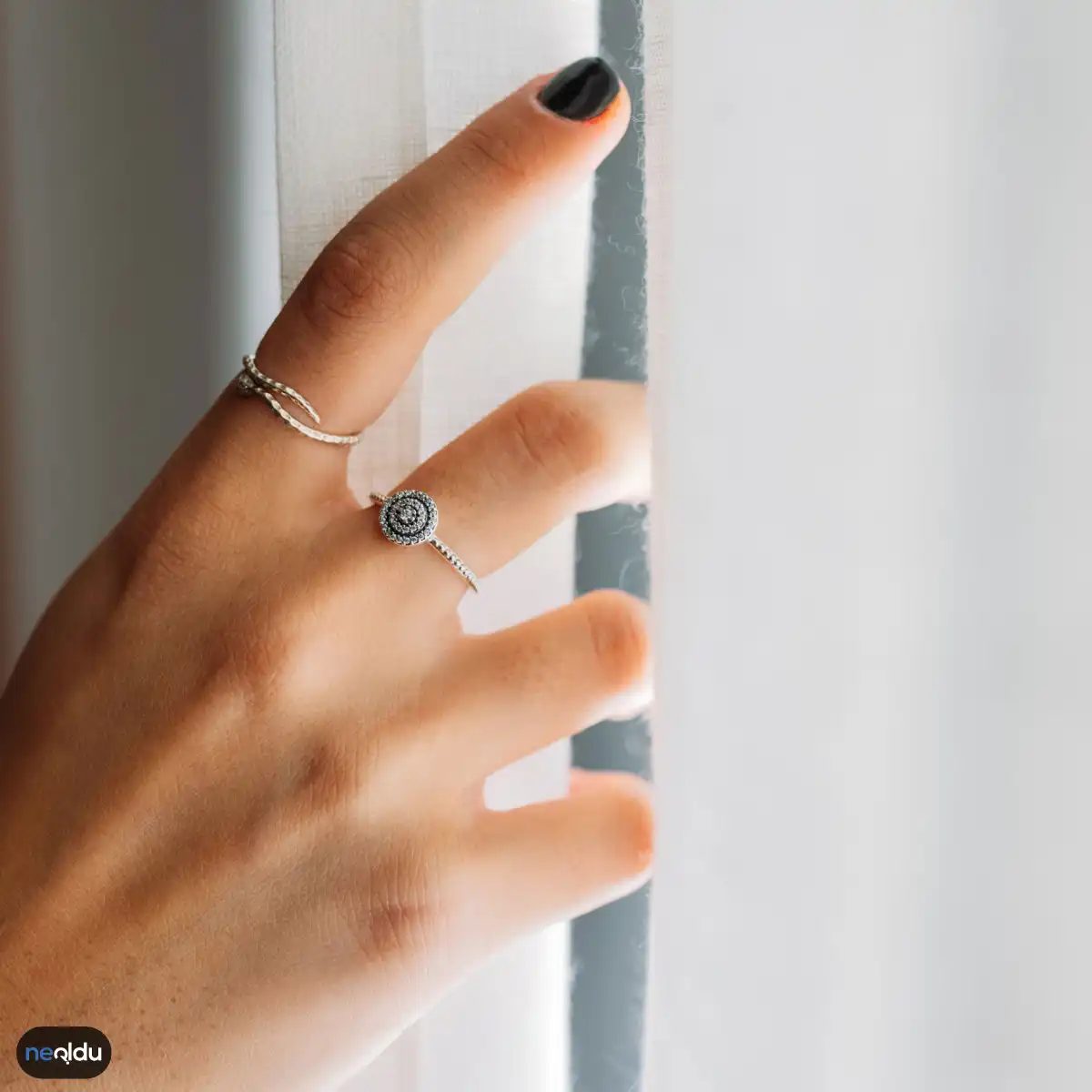
The way a ring looks is just as important as what it means. You might lean toward something ultra-minimal—a thin band that slips on unnoticed—or you might want that show-stopper with a massive center stone. Neither choice is wrong, but picking styles that actually match your daily vibe makes a huge difference. When your rings reflect your personal aesthetic, they don’t just sit there; they work together. They create a balanced look that feels intentional rather than accidental.
Prioritizing Comfort and Daily Wear
Let’s be real: if a ring is uncomfortable, you’re not wearing it. It’ll end up in a drawer somewhere. When you’re shopping, think about how you move. Does the shape dig into your skin when you type? Is it too bulky for typing or holding a coffee cup? You want pieces that respect your finger’s natural movement.
Daily activities matter more than you’d think. A ring that restricts your knuckles or gets caught on clothes is a headache waiting to happen. Opt for designs that fit your lifestyle. If you’re active, go for low-profile settings. If you work with your hands, avoid sharp edges. The goal is a ring that feels like it’s always been there, not one you’re constantly aware of.
Why Quality and Durability Actually Matter
Cheap jewelry might look fine today, but it rarely holds up tomorrow. Durability isn’t just about pride; it’s about practicality. If you plan to wear a piece every single day, the material matters. Gold plating chips. Sterling silver tarnishes. Some alloys bend or break under stress.
Investing in higher-quality materials pays off because these pieces don’t fade, warp, or lose their luster over time. A well-made ring maintains its structure and shine for years. This isn’t about being expensive; it’s about being smart. When you prioritize quality, you’re buying longevity. You get a piece that stays true to itself, rather than one that deteriorates after a few seasons.
So, when you’re standing in front of the mirror, ask yourself: does this fit my life, not just my taste? Because the best ring is the one you actually wear.