Ribbons have officially stopped being a novelty. The “bow fashion” trend has moved from fast-fashion racks to high-end runways, transforming how both men and women approach their daily wardrobes. It is less about a single garment and more about a specific aesthetic choice. You are no longer just buying a dress; you are curating an outfit with a focal point. The bow is that point. It sits on a collar, wraps a waist, or adorns a shoe, adding a layer of intentional softness to a look that might otherwise feel flat.
This style is not fragile. It works for the office, a casual brunch, or a formal dinner. You do not need to be a fashion insider to pull it off. The key is understanding where to place the bow so it enhances your silhouette rather than overwhelming it.
Where Should You Place a Bow on Your Outfit?
The placement of the bow dictates the entire vibe of the outfit. A bow at the neckline reads as classic and feminine. It works exceptionally well on blouses or collared shirts. If you are wearing a structured blazer, a bow underneath the collar softens the sharp lines of the jacket.
For those who prefer a bolder statement, waist ties are gaining traction. They cinch the garment, creating a defined shape without the stiffness of a belt. This is particularly effective on oversized dresses or loose-fitting blazers.
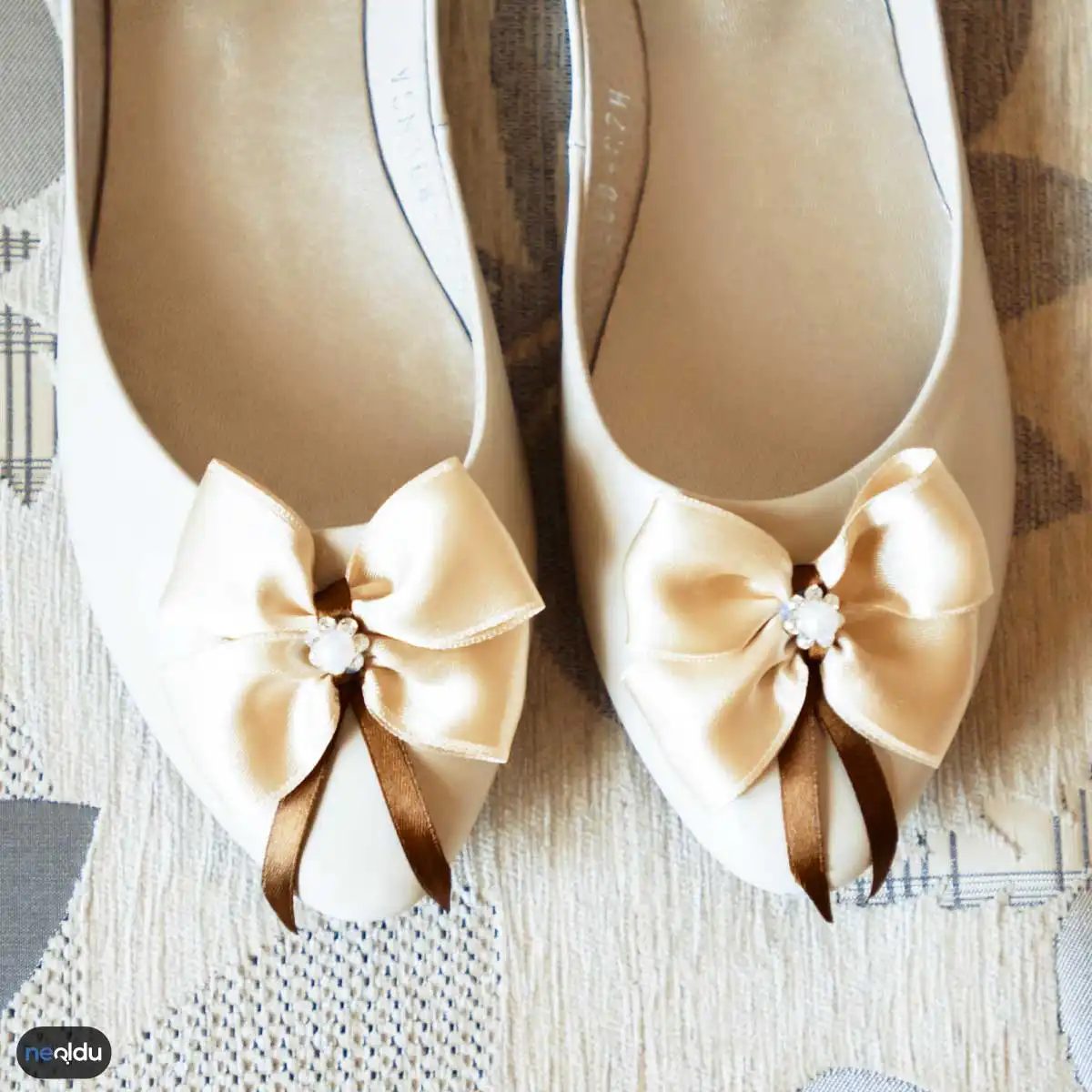
Then there are the accessories. Bow-adorned shoes have become a staple for spring and summer. They add a playful detail to simple flats or low heels. Even in menswear, the bow has found a home, often appearing as a subtle detail on ties or as a hair accessory, proving that this trend is truly gender-neutral.
“The bow is no longer just a decoration; it is a structural element that defines the proportion of the outfit.”
Why Is the Bow Trend Dominating Modern Fashion?
The rise of bow fashion is linked to the broader desire for romantic, vintage-inspired aesthetics in modern dressing. People are tired of the rigid, minimalist looks that dominated the last decade. The bow offers a tactile, visual break. It is soft, dimensional, and inherently charming.
It is also incredibly versatile. A single ribbon can be tied in ten different ways, changing the look of the same shirt entirely. This makes it a smart investment for your wardrobe. You do not need a whole new collection; you just need to know how to tie a knot that holds its shape.
For many, the appeal is psychological. Wearing a bow feels like a small act of self-care. It is a detail that says, “I took the time to get dressed.” In a fast-paced world, that intentionality is refreshing.
Which Fabrics Work Best for Bow Accessories?
Not all materials hold a bow. A flimsy cotton ribbon will sag and lose its shape after an hour. For long-lasting wear, look for satin, silk, or structured polyester blends. These materials have enough weight to maintain their form but are soft enough to drape elegantly.
When choosing a bow for a formal event, opt for a larger, more defined shape. For everyday wear, a smaller, more subtle bow is less distracting. The color should complement the rest of the outfit. If your outfit is monochromatic, a contrasting bow adds interest.
Fiyonk modası neden bu kadar geri döndü?
Yelpazeden ayakkabıya, saç tokasından çanta detayına kadar fiyonk her yerde. Son birkaç sezonda bu aksesuar, “geçici bir trend” olmaktan çıktı, gardırobun kalıcı bir parçası haline geldi. Peki neden? Çünkü fiyonk, stilinize anında bir karakter katıyor. Romantik ama sert, feminen ama asimetrik. Hangi tarza uyduğu konusunda bir sınır yok. Minimalist bir siyah elbisenin belinde bir fiyonk, o düz hatlara hareket getirir. Oversize bir trençkotun kolunda aynı detay ise dengeyi bozar.
Erkek gardırobu da bu denklemin dışında kalmadı. Eskiden “kadına özgü” olarak etiketlenen bu detay, erkek modasında kravat düğümünden takım elbise yaka pelerinlerine kadar sınırları zorluyor. Bu, cinsiyet ikiliğinin modada eridiğinin en net örneklerinden biri. Fiyonk artık sadece “şirin” değil, güçlü bir tasarım aracı.
Fiyonk tarihi: Antik Roma’dan 18. yüzyıl Avrupa’sına
Bu modanın yeni olduğu yanılgısına kapılmayın. Fiyonk, çok eski bir kökene sahip. Antik Roma’da kadınların saçlarını fiyonk benzeri süslemelerle bağladığı biliniyor. Yani bu detay binlerce yıllık bir estetik refleks.
Gerçek patlama ise 18. yüzyılda, özellikle Avrupa’da yaşandı. O dönemde kadınlar, korsajların ve şapkaların üzerine fiyonk ekleyerek görünümünü “daha şık” hale getiriyordu. Bu, sadece bir aksesuar değil, statü ve zarafet göstergesiydi. Bir fiyonkun boyutu, kumaşı ve yerleşimi, sahibinin toplumsal konumuna ve estetik zevkine dair ipuçları veriyordu.
Fiyonk nasıl kullanılır?
Fiyonk takmak için kural yok. Ama birkaç pratik ipucu, stilinizi bir üst seviyeye taşıyabilir:
- Tek odak noktası: Fiyonk zaten dikkat çekici. Giyiminizin geri kalanını sade tutun. Fiyonklu bir çanta varsa, kolye veya küpeyi minimumda tutun.
- Malzeme uyumu: İpek bir fiyonk, ipek veya saten kıyafetlerle; kadife bir fiyonk, kışlık ağır kumaşlarla daha iyi çalışır.
- Yerleşim: Saçta, belde, sırtta ya da ayakkabıda. Önemli olan, fiyonğun oraya “neden orada” sorusuna cevap vermesi. Rastgele değil, düşünülmüş.
Fiyonk, kıyafetin sessiz dili. Söylediği şey: “Ben bu detayı bilinçli olarak seçtim.”
Fiyonk kime ve ne
How to style bows without looking like a costume
You’ve probably seen that oversized bow sitting on someone’s hair at a wedding, or the delicate ribbon tied around a bag handle. It’s everywhere now. The bow trend isn’t just a fleeting TikTok phase; it has roots going back centuries, yet it feels brand new. Why does this specific shape keep coming back?
Think about it. We like structure. A bow gives a flat surface a focal point. It adds volume where you need it, or it cinches a waist. It’s simple, but it changes the silhouette.
The history is deeper than you think
Most people assume bows are a modern feminine accessory. Not quite.
In the Middle Ages, men wore them on hats. It was practical, not decorative. Fast forward to the 18th century, and women started adding them to their headwear. By the 19th century, they were standard on dresses, skirts, and hats.
Then came the 20th century. The 1920s and 30s saw bows on chic gowns. The 50s and 60s kept the trend alive through major fashion houses. It never fully died; it just changed form.
Where to place them today
If you’re trying the trend now, you have options. It’s not just about hair clips.
- Hair: The most common spot. Think hair ties, clips, or headbands with a built-in knot.
- Clothing: Dressed on the neckline, waist, or back of a dress.
- Footwear: Heels and flats with ribbon details.
- Bags: A bow on a handbag strap adds a softer touch to a structured piece.
Men are in on it too. Bow ties and shirts with ribbon details are having a moment. It’s less about “femininity” and more about texture.
Which styles actually work
Not every bow is created equal. A tiny, stiff satin bow looks very different from a large, flowing silk one.
For a daytime look, go smaller. A simple ribbon on a ponytail or a small detail on a bag. For evening, you can go bigger. A dramatic bow at the back of a dress or on a chandelier-style heel.
The key is proportion. If the rest of your outfit is clean and minimal, the bow becomes the statement. If you’re wearing a lot of prints, a bow might clutter the look.
Why it still matters
We’re drawn to nostalgia, sure. But bows also offer a way to personalize an outfit without buying something new. You can add a ribbon to a plain white shirt. You can tie a bow into your hair instead of just using a clip.
It’s a low-effort way to add intention. And intention is what separates “putting on clothes” from “dressing.”
You don’t need to commit to the whole aesthetic. One well-placed bow is enough to change how you feel in a garment. And that’s the point.
How to wear bows in women’s fashion without looking costume-y
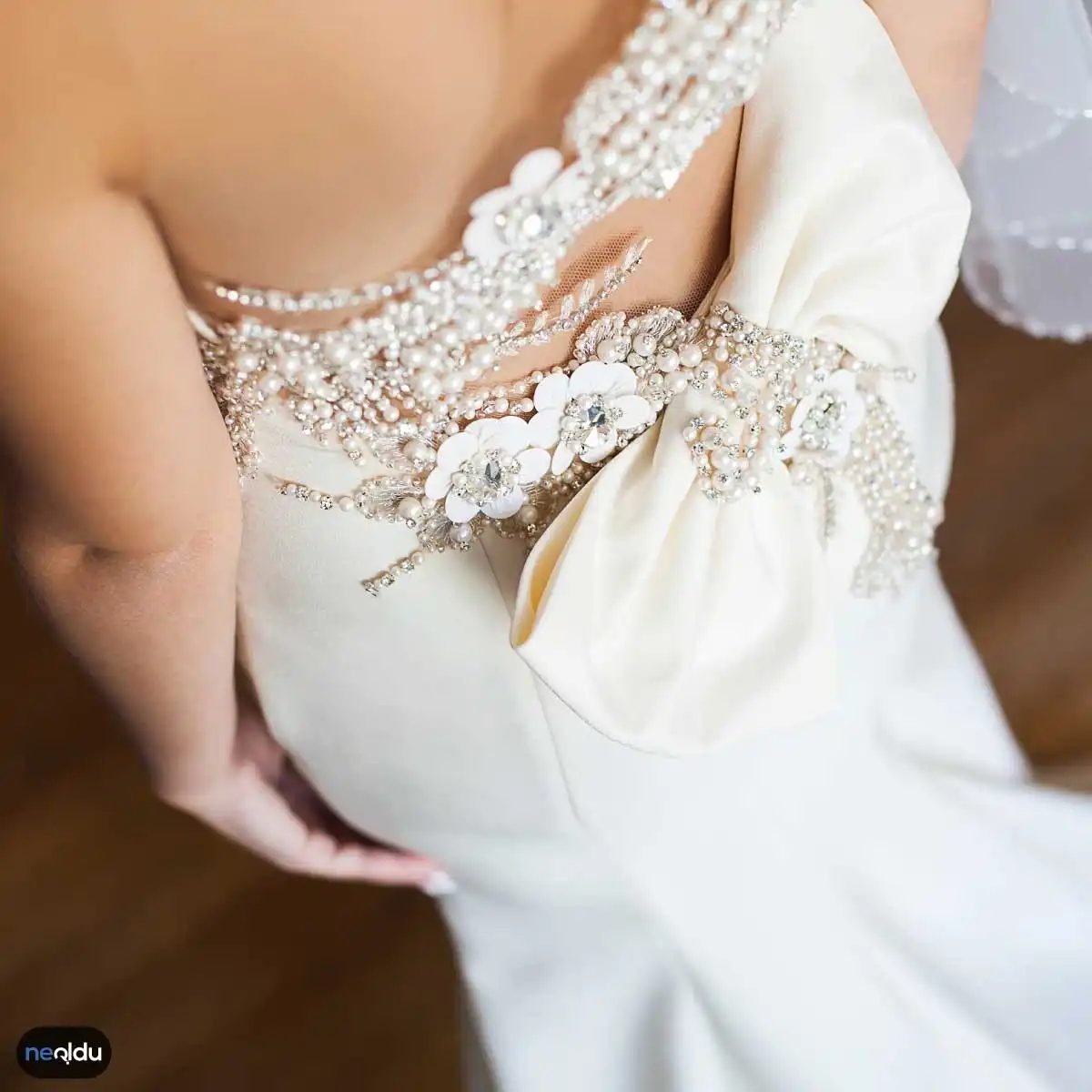
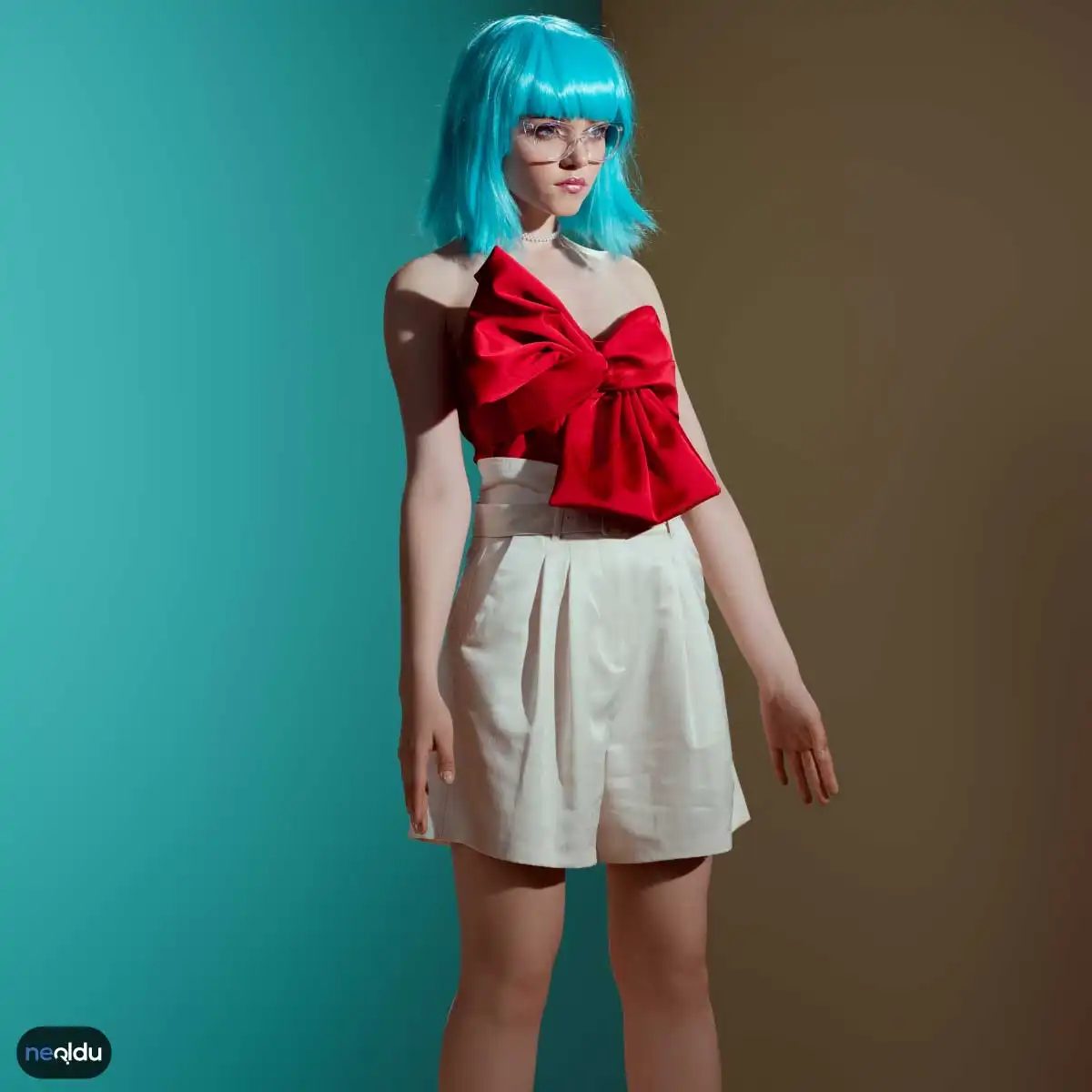
Bows are not just for childhood memories or vintage reenactments. They are a structural element now. In women’s clothing, you will see them on dresses, blouses, skirts, and shoes. The key is context. A bow on a wedding dress or an engagement party outfit signals elegance. It is a deliberate choice for formal occasions.
For daily wear, bow blouses offer versatility. They mix well with jeans or trousers. You are not dressing for a gala; you are adding a soft detail to a routine look. Bow skirts follow a similar logic. They hit their peak popularity in spring and summer. The fabric usually matches the season. Lighter materials, playful cuts. Bow shoes remain a staple in many wardrobes. They are elegant, yes, but they also demand a certain level of polish in the rest of the outfit.
Why bows are making a comeback in men’s style
It is not just a women’s trend. Men’s fashion uses bows on ties and shirts. Bow ties are standard for weddings, formal dinners, and special events. They signal formality.
Bow shirts fit different styles. The white bow shirt is a classic. It works for traditional looks. Men also use bow suspenders. These are smaller details, but they add character to a suit or blazer ensemble. It is about the silhouette. The bow adds a horizontal element that breaks up the vertical lines of a suit.
Which bow accessories work best for everyday styling
Accessories are the easiest entry point. You do not have to buy a whole bow dress to participate in the trend.
- Handbags: Bows appear on handles or zippers. Small bows add a subtle touch. Large bows on clutch bags make a statement.
- Hair: Bow clips, headbands, and other hair accessories are popular among women. They change a messy bun into a styled look instantly.
- Men’s jewelry: Bow tie clips and bow brooches are the male equivalents. They sit close to the body. They are visible but not overwhelming.
A bow is a punctuation mark. It tells you where to look.
How to combine bow trends with your existing wardrobe
Do not overcomplicate it. If you wear a bow top, keep the rest of the outfit clean. Avoid mixing multiple bow elements on the same body. One bow is enough. Two can look cluttered.
Where should you start? Check your shoes or your hair. These are low-risk areas. A bow hair clip changes the whole vibe without requiring a new outfit. A bow shoe elevates a simple dress.
Why does this work? Because bows add softness. In a world of sharp lines and minimalism, a bow is a small act of decoration. It says you put thought into your look. It is not about being cute. It is about being intentional.
Which bow suits you? Try the accessories first. If you like them, move to clothing. The bow trend is flexible. It fits formal and casual settings. It fits men and women. The only rule is balance. Do not let the bow become the whole outfit. Let it be the detail that holds the look together.
How to style bows without looking like a costume
Bows are back, and they are not just for princesses. They appear on runways and in high-street racks, signaling a shift toward playful elegance. But there is a fine line between chic and cheesy. The trick is restraint.
When you wear a bow dress to a wedding or a gala, let the dress do the talking. Keep your shoes simple. A nude heel or a flat pump works best. Do not add another bow. One focal point is enough. More than that feels like a costume.
Blouses with bows are easier to manage. Pair a white or pastel bow blouse with skinny jeans and heels. This balances the feminine top with a grounded bottom. Add a handbag that matches the blouse color to tie the look together.
Skirts with bows lean into spring and summer vibes. Think light fabrics. Pair a bow skirt with a plain, light-colored top and sandals. The goal is a breezy, effortless look. Avoid heavy layers.
Men: The bow tie and the bow shirt
Men often underestimate the bow. It is a legitimate accessory for formal events. A bow tie works well with a pocket square. Match the pocket square color to the tie, not necessarily the shirt. This adds a layer of intentionality to the suit.
Bow shirts are different. They are not for every occasion. A white bow shirt paired with black trousers and a jacket creates a classic, sharp silhouette. It is formal. It is deliberate. Do not wear it to a casual brunch. Save it for the dinner where you want to make a statement.
Why bows stay popular
Bows are versatile. They work for every age and gender. They add a softness to stiff fabrics and a flourish to simple cuts. Their popularity comes from their ability to elevate a basic outfit without needing expensive materials.
You can find bows on hair clips, handbags, brooches, necklaces, and earrings. The options are endless. But the rule remains the same. One bow per look. Or a set of bow earrings and a bow clip. Pick your battles.
When to wear them
Weddings. Engagements. Graduations. Galas. Business dinners. These are the spaces where a bow earns its place. It signals effort. It signals care. It says you cared about the details.
How to clean bow clothing
Check the label first. Most bow garments need gentle care. Use a mild detergent for machine washing on a gentle cycle. Or take it to the dry cleaner.
Tighten or remove the bow before washing if possible. This prevents the fabric from tearing or the knot from loosening. If the bow is sewn in, handle it with extra care. Rough handling ruins the structure.
The bow is not just decoration. It is a design element. Treat it with the same respect you give to a tailored lapel. If you do that, you will look polished, not costume-like.