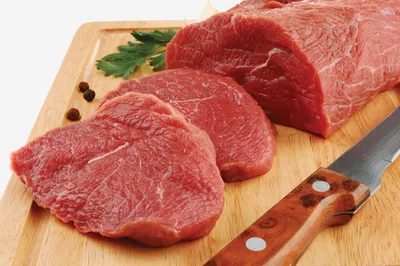
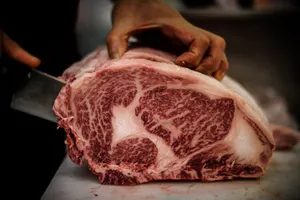
Beef is the meat of mature cattle and differs from the soft, light meat of calves, known as veal. Not all beef is the same. The best cuts come from early maturing, specialized breeds of cattle. You can recognize high-quality beef by its firm, velvety texture and fine graininess. It should be lean, bright red and well marbled. The fat itself should be smooth, creamy white and evenly distributed in the muscle.
The structure of the bone also tells a story. The bones of young beef are soft, porous and red. Less desirable mature beef often has hard, white bones. But bones aren’t the only factor. Tenderness and taste improve significantly with age. A common method is to hang the carcass at about 2°C for about two weeks. This process promotes physical changes in the muscle tissue that actually improve the quality of the meat.
Understand beef grades and grades
Classification standards vary slightly from country to country, but the international beef trade relies on them. In the US, the hierarchy is clear. Prime is the top tier. Choice follows. Then good, commercial, good, commercial, utility, cutter, and canner.
Commercial grades usually come from mature cattle, especially cows. Utility, cutter, and canner grades are reserved for meat processors. You won’t find these at high-end steakhouses. They belong in ground beef, sausages, or canned goods.
Don’t forget the byproducts. Cowhide is a valuable source of leather. It’s a significant part of the economy surrounding cattle processing.
Why aging matters for taste
If you want better taste, ask about aging. It’s not just about age; It’s about time. Hanging the meat allows the enzymes to break down the muscle fibers. The result? A more tender, tastier cut. A temperature of 36°F is key. Too warm and bacteria flourish. Too cold and the process stops. Two weeks is the optimal time for many butchers.
Which grade suits your needs? Prime for special occasions. Choice for everyday luxury. Commercial for stews where long cooking times break down the tougher fibers. The grade dictates the cut, the cooking method and the final experience.
Leather from the hide adds another layer to the beef industry’s value. It’s not just about the meal. It’s about the whole animal. A complete resource.
How do you choose your beef? Look at the marbling. Check the color. Ask the butcher about the grade. It’s a little effort that pays off with every bite. The difference between a good meal and a great one is often in these details. You can taste the difference. You can feel it.
Where beef rules the table
If you’re looking for the world’s biggest beef eaters, look west and south. Uruguay, Argentina, New Zealand, Australia and the United States are pioneers in per capita consumption. These places consider steak less of a luxury and more of a staple. The culture around it is intense. In Argentina, asado is a way of life. In the United States, a hamburger and the cut are central to dining identity.
But once you leave these areas, the story changes completely.
Beef is scarce in most of Southeast Asia, Africa and the Indian subcontinent. It’s not popular. There are practical reasons for this – price, availability, religious tradition. But in India the reason runs deep. The sanctity of the cow in Hinduism prevents its followers from eating it. For many, it’s not just a dietary choice. It’s a spiritual boundary.
That doesn’t mean the world is completely ignoring red meat. In Korea and Japan, beef has a valued place in culinary traditions. But nowhere is it more appreciated than in Kobe, Japan.
The legend of Kobe beef
Located near Osaka, Kobe is famous for one particular product: Kobe beef. It’s not just beef. It is a highly respected, regulated standard. The cattle are Wagyu, raised with great attention to detail.
The care routine is almost theatrical. Cattle are massaged vigorously. They are fed plenty of beer. Some legends say they were brushed with sake. Whether this is all true or just marketing lore, the result is consistent. The meat is marbled, tender and expensive.
Why is this important to you?
Because it highlights the global divide. In some cultures, beef is an everyday fuel. In others it is prohibited. In some cases, it is an art form. Understanding where and why people eat what they eat increases our understanding of food. It’s not just about taste. It is about history, religion and geography.
The next time you sit down to a meal, think about the journey of that protein. How did it get there? Who raised it? What do people who eat it value about it?
The answer may surprise you.
Why do beef cuts have so many names
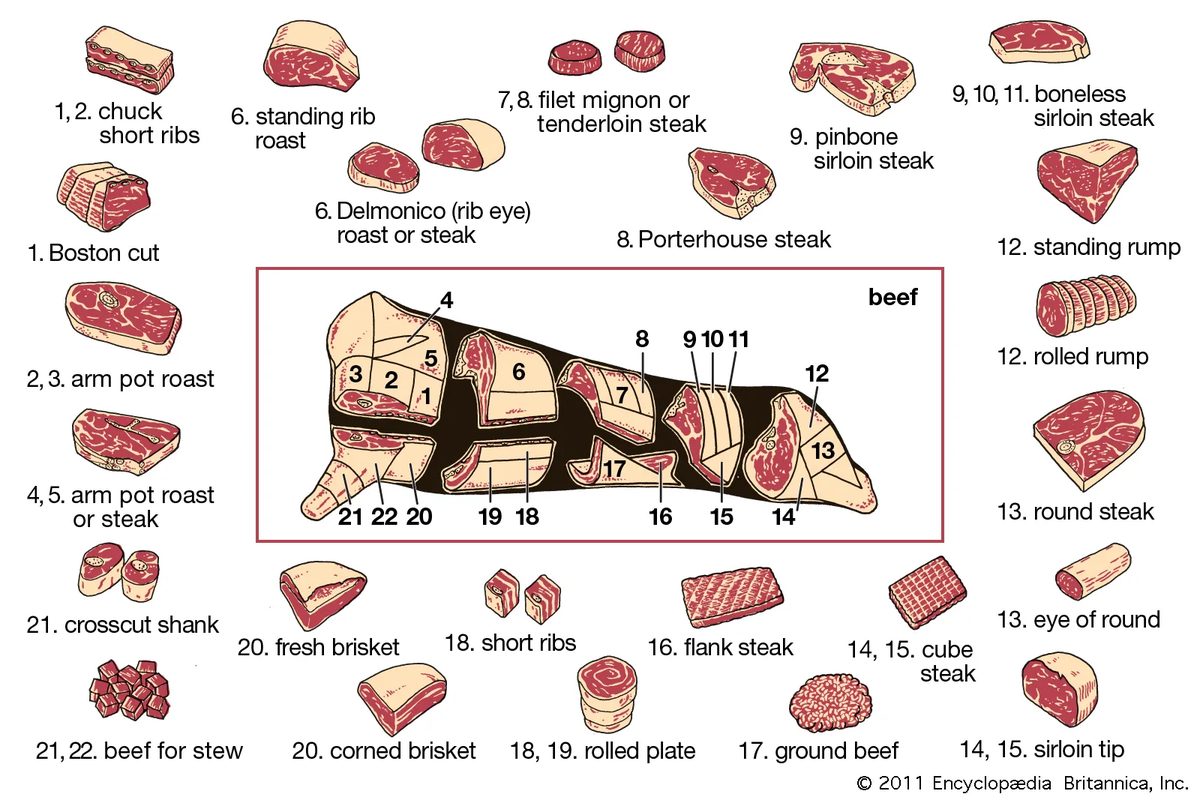
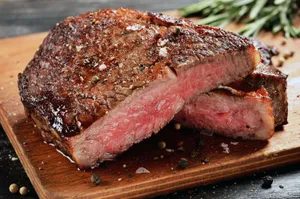
The meat trade is a local art, and as practices change across borders, the vocabulary of cuts of meat also changes. In the US, where beef dominates, steaks take center stage. These are cross-sections of the fleshy parts of the carcass. They are valued for their texture and taste. The standing rib roast plays a special role here. The British call it prime rib. It’s a cut worth waiting for.
All parts of the animal are not treated equally. Harder pieces often end up in slow-cooked dishes. Simmering breaks them down. Stews soften them into something tender. Some are ground up for burgers. It’s about ingenuity. You take what the butcher offers and adapt.
Global cuisines treat beef differently. Pot-au-feu is a French classic based on simmered beef. It’s simple. It is flavorful. In Britain, you might find salt beef. In the US it is known as corned beef. Both come from the brisket or rump. The meat is pickled in brine. This process completely changes the texture. It preserves the meat while adding a sharp, salty depth.
The goal is always the same. Transform the raw material into something to eat and enjoy. The name on the packaging may confuse you at first. But once you know where the piece comes from, the cooking method becomes clear.
How to Navigate the Butcher Counter
Knowing the difference between steak and a pot-roast cut will save you money and dinner. If you want a quick meal, look for meatier parts. If you have time to simmer, ask for harder parts. They often produce richer flavors.
Corned beef is a good example of this versatility. It starts with a humble brisket. The brine does the work. It tenderizes. It seasons. You can eat it cold on a sandwich. Or you can cook it with cabbage and potatoes. It’s comfort food at its simplest.
The British Best Rib is not just a translation of the American Standing Rib Roast. It has a different culinary weight. It is often roasted whole. The fat cap renders down. The meat remains juicy. It’s the centerpiece. Steak is one portion. The rib is an event.
Where you live determines what you see on the shelf. But the principles remain. Match the cut to the method. Respect the grain. Cook it low and slow if it is tough. Cook hot and fast if tender. That’s the real secret. Not the name on the label.