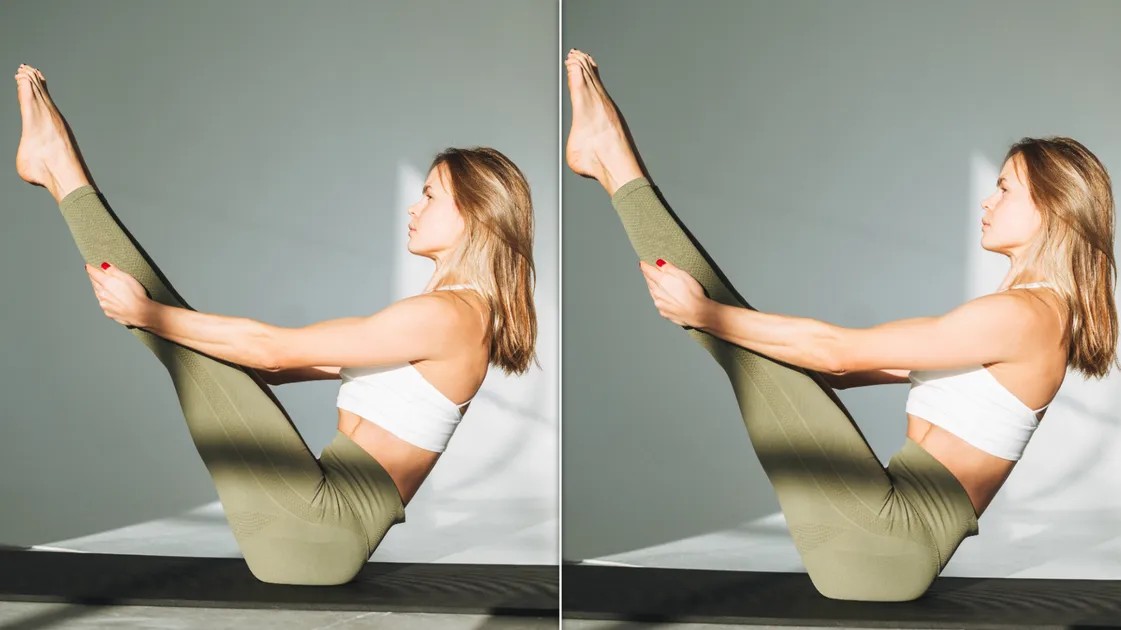
What began as a method for physical rehabilitation and core strength has undergone a strange cultural transformation. Once a niche exercise focused on control and alignment, Pilates has emerged as a high-status lifestyle marker—and, more controversially, as a new dating metric for men seeking “traditional” partners.
From Rehabilitation to Aesthetic
Developed by Joseph Pilates in the early 20th century, the practice was originally called “Contrology.” It was designed to help patients rebuild strength using resistance—often improvised from bedsprings in hospital settings. Over time, it evolved into a global fitness phenomenon known for creating a “lean, toned, and elongated” physique rather than bulk.
However, the modern marketing of Pilates has created a specific social image. Because group classes can cost upwards of $65 per hour, the “Pilates girl” has become synonymous with a specific socioeconomic bracket: often white, affluent, and focused on a narrow beauty ideal.
The Rise of the “Pilates Girl” as a Dating Filter
In recent months, a trend has emerged on social media where men—often associated with the “manosphere”—claim that a woman’s commitment to Pilates is a “green flag” for marriage.
This isn’t just internet chatter; it is manifesting in reality media and personal anecdotes:
– Social Media Influencers: Content creators have gone viral by suggesting that “Pilates wives” are the ideal partners because they supposedly prioritize a “wholesome” lifestyle, staying home, and maintaining a specific aesthetic.
– Reality Television: On Netflix’s Love is Blind, contestants have faced scrutiny for breaking up with partners based on their lack of a daily Pilates routine.
– Traditionalist Rhetoric: Some men have explicitly linked the practice to “femininity,” suggesting that the discipline required for Pilates translates to a woman being more “compliant” or suited for traditional domestic roles.
Why This Matters: The “Dog Whistle” Effect
Experts suggest that the obsession with “Pilates girls” is less about fitness and more about social signaling.
Mariel Barnes, an assistant professor of public affairs, notes that the term may act as a “dog whistle.” In political and social terms, a dog whistle is coded language that appears innocent to the general public but carries a specific, often controversial, meaning to a target group.
“‘Pilates girl’ is almost a dog whistle now,” Barnes explains. “Because if the manosphere were to say what they really wanted in a woman, it would come across very badly.”
By focusing on the “Pilates girl,” these men can signal a preference for women who are:
1. Physically fit and youthful (avoiding what they call “the wall”).
2. Aesthetically “soft” (aligning with the “soft life” trend of rejecting hustle culture for domestic ease).
3. Submissive to traditional roles (viewing wellness as a way to perform femininity for male approval).
The Pushback from the Wellness Community
For many Pilates instructors, this appropriation feels like a distortion of the practice’s intent. Instructors emphasize that Pilates was never meant to be a performance for the “male gaze” or a tool for social signaling.
Instead, they argue the practice is about:
– Self-empowerment: Choosing oneself and building internal strength.
– Rehabilitation: Using movement to heal and connect with one’s body.
– Inclusivity: Moving away from the “rich white woman” stereotype toward a tool that is adaptive and intuitive for everyone.
Conclusion
The transformation of Pilates from a rehabilitative tool to a symbol of “traditional femininity” highlights a growing tension between wellness culture and reactionary social movements. What was once a method for bodily autonomy is increasingly being used as a shorthand for a specific, highly controlled lifestyle.