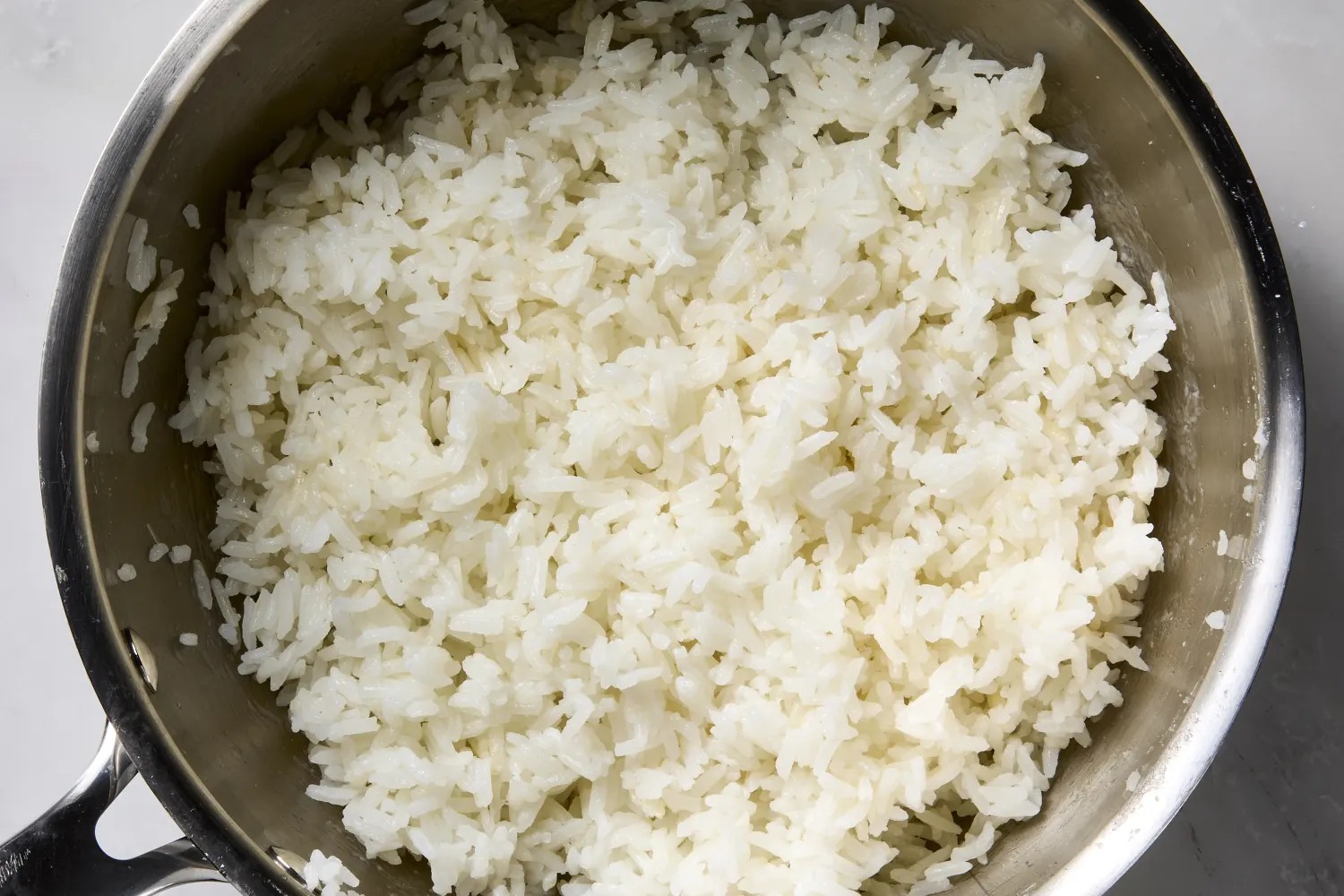
For many, cooking rice on a stovetop is a source of culinary anxiety. Whether it is a matter of following the “knuckle rule,” relying on vague family instructions, or attempting to decipher the precise water-to-grain ratios on a package, the results are often inconsistent. One batch may be fluffy and light, while the next is either crunchy and undercooked or a scorched, gummy mess at the bottom of the pot.
While modern rice cookers have largely solved this problem through automated sensors, many cooks still rely on traditional stovetop methods. To eliminate the guesswork, there is a superior technique used in professional test kitchens: the pasta method.
Why Traditional Rice Cooking Often Fails
The fundamental difficulty with traditional rice cooking lies in the liquid ratio. Most recipes call for a specific, measured amount of water that is absorbed by the grain. This requires precision; even a slight deviation in water volume or heat intensity can ruin the texture.
Furthermore, different varieties of rice—such as long-grain white, short-grain, or hearty brown rice—require vastly different amounts of liquid and different cooking times. This complexity makes it difficult to master a single “rule” that works for everything in the pantry.
The Solution: The Pasta Method
The pasta method flips the traditional logic on its head. Instead of trying to measure the exact amount of water the rice will absorb, you cook the grains in a large volume of boiling water, much like you would cook spaghetti or penne. Once the grains reach the desired tenderness, you simply drain the excess water away.
This approach offers several distinct advantages:
– Universal Application: You don’t need to adjust ratios for different types of rice. The method works for long-grain, short-grain, and brown rice alike.
– Reduced Risk of Burning: Because the rice is submerged in a large pool of water, the risk of the bottom burning due to evaporation is virtually eliminated.
– Consistent Texture: The excess water helps wash away excess starch during the cooking process, leading to more even results.
How to Execute the Pasta Method
To achieve perfect results, follow these streamlined steps:
- Boil a Large Pot of Water: Use a pot large enough to allow the grains to move freely without sticking. For one cup of rice, a medium saucepan is usually sufficient.
- Add the Rice: You do not strictly need to rinse the rice beforehand, as the abundance of water will naturally manage the starch levels.
- Cook Until Tender: Boil the rice over medium heat. Because the rice is swimming in water, it may cook slightly faster than traditional methods.
- Long-grain white rice: Approximately 10 minutes.
- Brown rice: Approximately 20 minutes.
- Pro Tip: Use a slotted spoon to taste a few grains periodically to ensure they have reached your preferred texture.
- Drain: Once the rice is tender, pour it into a fine-mesh colander to drain the remaining water.
Versatility and Best Practices
The beauty of this technique is that it is not limited to rice. It is an excellent way to prepare various grains, including barley, farro, and millet. However, avoid using this method for oats, as the high water volume tends to turn them into a sludge-like consistency.
To ensure success, always set a timer. Just like pasta, leaving grains in boiling water for too long will result in a waterlogged, unappetizing texture.
Conclusion: By treating rice like pasta, you bypass the stress of measuring water ratios and move toward a more reliable, versatile, and foolproof cooking process.