The name changed. Yesterday it was PCOS. Now it’s PMOS. Polycystic ovarian syndrome to polyendocrine metabolic syndrome.
Keke Palmer was thrilled.
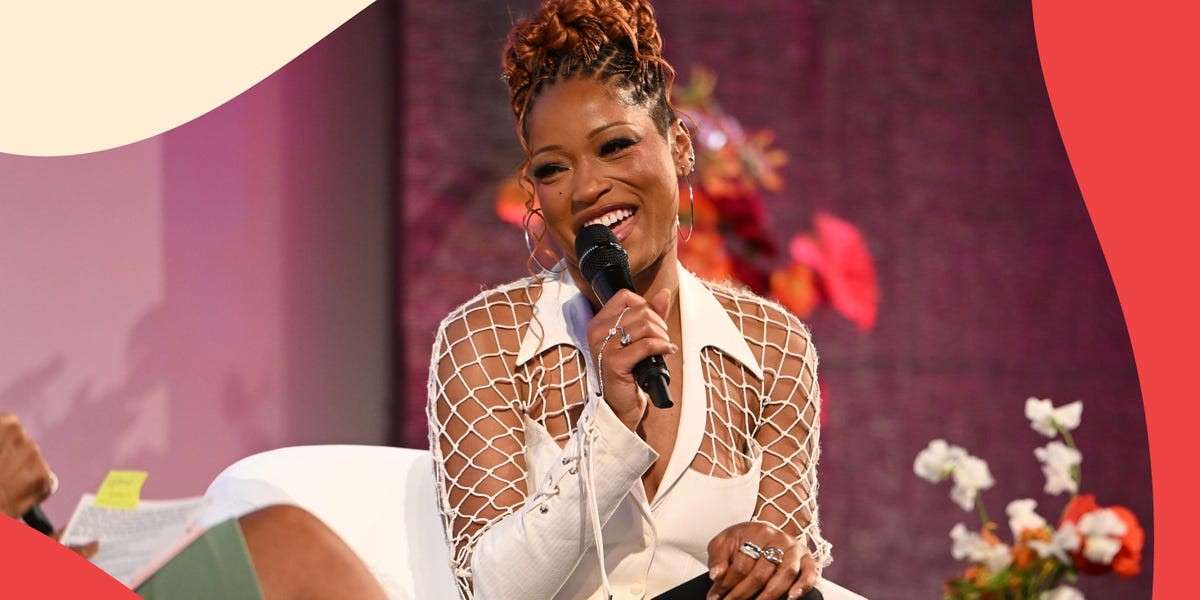
She said so herself on Monday at the 3rd Women’s Health Lab panel. Sitting beside Gayle King she argued that the new label just feels right. More fitting. Why? Because the old name lied by omission. It fixated on ovarian cysts. Lots of women don’t have cysts. Keke doesn’t.
Yet here they sit. Waiting for answers. Years wasted wondering why their bodies rebel when standard treatments fail.
The updated name actually describes the whole mess—the endocrine systems the metabolic chaos—instead of pointing fingers at one tiny organ that might not even be broken.
For Keke it wasn’t about missed periods at first.
It was her face.
“Crippling.” She used that word. Her acne wasn’t cosmetic. It was physical torment. Mental torture. You can’t quantify the emotional damage of looking in the mirror and seeing a battlefield. She tried everything. Drank water until she joked she was basically a fish. I’m drinking a lot. It didn’t work.
Nothing cut it.
Eventually she stopped guessing and started investigating. She told herself something was wrong deeper down. Insulin resistance popped up in her Google search results. So did thyroid issues and diabetes—hereditary traps she already carried in her genes.
She walked into doctor’s offices ready to talk hormones. They walked her out with shrugs. No cysts. No problem.
Docs dismissed her. Over and over.
“I was telling doctors, y’all are wrong,” Keke recalled. This friction this blind spot is exactly why the medical field shifted. Women presented with every symptom of the syndrome minus the cysts. And still got labeled normal.
Finally an endocrinologist stepped up.
Blood tests revealed testosterone and androgens sky high. Out of whack. That explained the beard growth. Another classic PMOS trait. The diagnosis landed. Relief mixed with exhaustion. She knew it for years. The system just confirmed it.
Treatment isn’t a cure. It’s management. Lifelong.
The mental toll weighs heavier than the physical. While influencers showed off “glass skin” Keke stared at cracks in her own. It hurts. You eat right. You exercise. You do the thing. Why does your body betray you?
Symptoms vary. Weight gain. Fertility hurdles. Irregular cycles. Keke managed her skin with medication. She mentioned isotretinoin. Twice. She tweaked her diet. But she also changed how she moved through her cycle. Got intimate with the moon vibe. Measured the time.
She’s not anti-holistic.
She’s pro-solutions.
Western medicine sometimes has to step in to hold you up while you build your foundation. Side effects happen. That’s science. But having a name for the dysfunction meant she stopped blaming herself for needing more help.