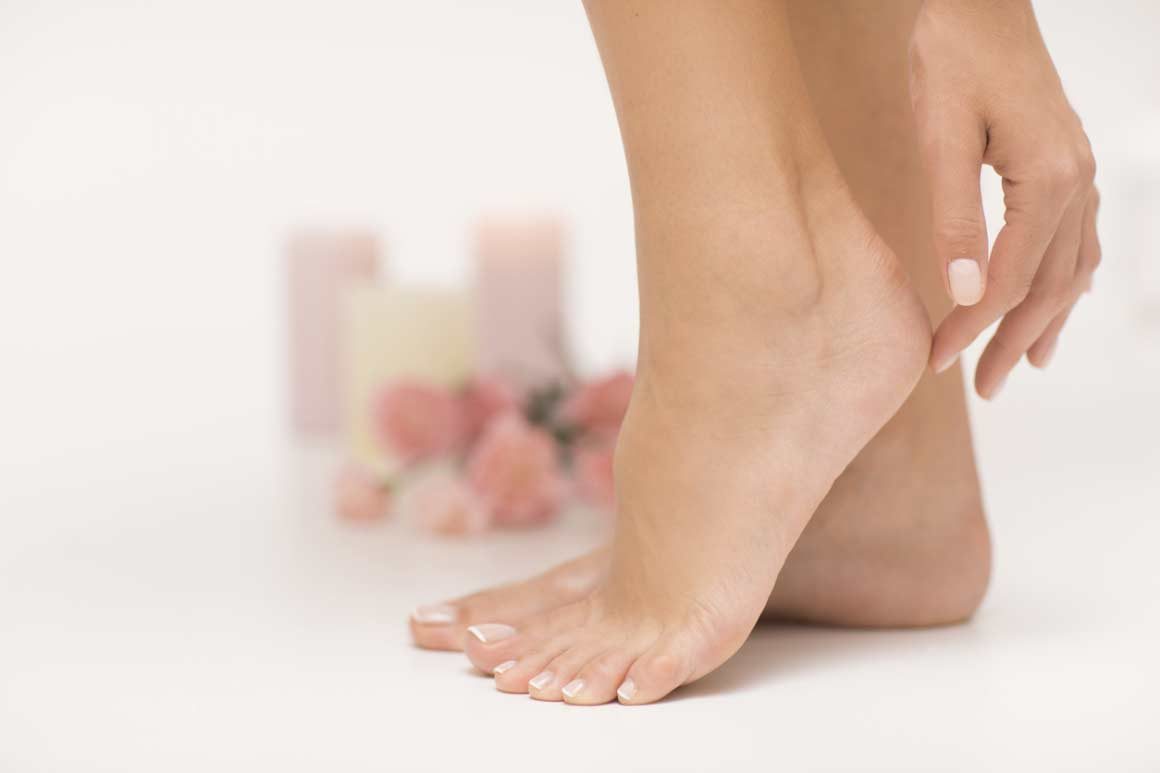
Most of us treat our faces like royalty. We slather on serums, exfoliate daily, and protect them from the sun. But then we walk into the bathroom, look down at our heels, and realize they’re harder than the pavement we’ve been walking on for months. It’s a harsh reality. Yet, when summer arrives or we slip into sandals, those rough patches become impossible to ignore.
The good news? You don’t need a spa day to fix them. You just need a consistent routine. Here are eight concrete steps to transform neglected feet into the soft, healthy canvases they were meant to be.
1. Soak with Purpose
Skipping the soak is a common mistake. Warm water loosens dead skin cells, making everything else easier. But don’t just dip your toes in plain water. Add a handful of Epsom salts or a few drops of tea tree oil. This isn’t just about luxury; it’s about hygiene and relaxation. Soak for 15 to 20 minutes. Not longer. Longer soaks can actually dry out the skin. Pat them dry completely, especially between the toes. Moisture trapped there is a breeding ground for fungus.
2. Exfoliate the Right Way
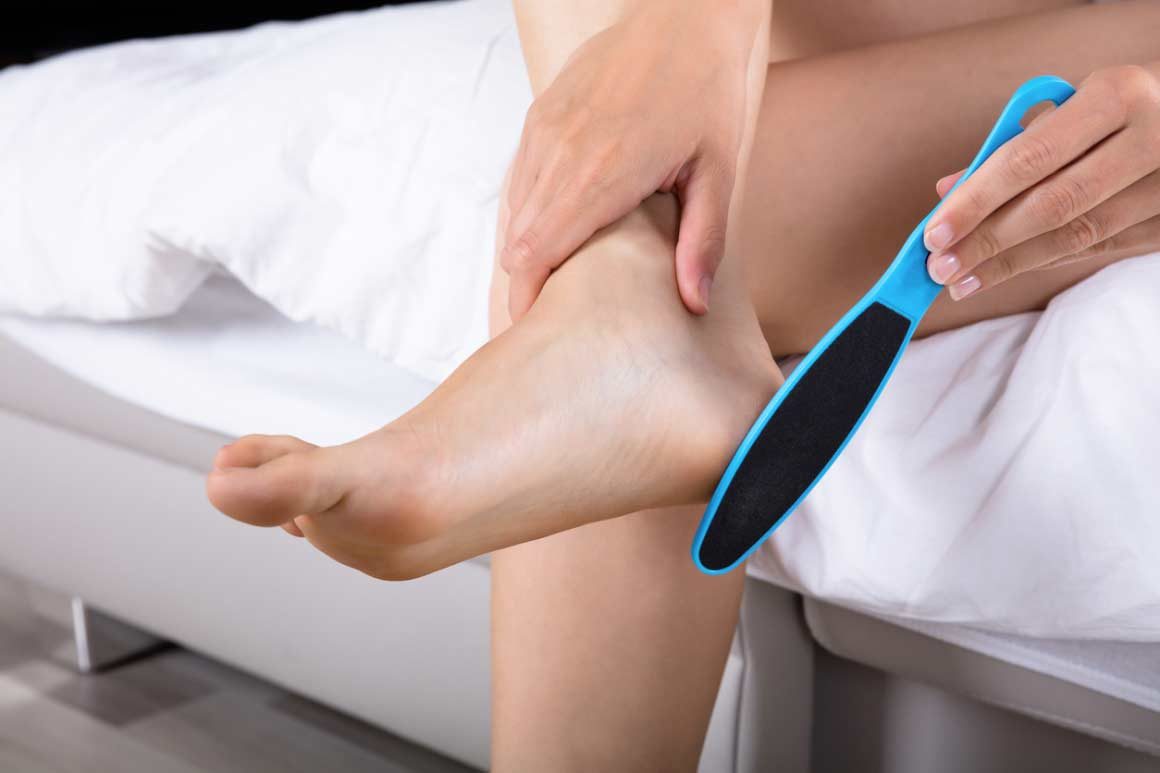
There is a big difference between scrubbing and smoothing. Use a foot scrub with natural granules like sugar or sea salt. Gently massage your feet in circular motions, focusing on the heels and balls of your feet. Avoid aggressive scrubbing on the tops of your feet; that skin is thinner and more sensitive. If you have particularly thick calluses, a pumice stone is your best friend. Use it on damp skin, not dry. Rub gently in one direction. Don’t try to remove all the dead skin in one session. Over-exfoliating can cause micro-tears and infection.
3. Hydrate Deeply
Moisturizer alone isn’t enough for cracked heels. You need something with urea or lactic acid. These ingredients break down tough, dead skin while hydrating. Apply a thick layer of foot cream before bed. Then, put on a pair of cotton socks. This traps the moisture and helps the cream penetrate deeper. It sounds simple, but consistency is key. Do this every night. Within a week, you’ll notice a difference.
4. Trim Your Nails Correctly
Ignoring your toenails can lead to painful ingrown nails. Cut them straight across. Do not round the corners. This prevents the nail from growing into the skin. File the edges smoothly to prevent snagging in socks. If you have thickened nails, consider using a nail file before cutting. Don’t cut them too short. Leave a tiny white edge. This protects the nail bed underneath.
5. Massage for Circulation
Feet take a beating. They carry your entire body weight all day. Massaging them improves circulation and reduces swelling. Use your thumbs to press into the arches. Work up toward the toes. You can also use a tennis ball. Roll it under your foot while sitting or lying down. It’s a cheap, effective way to release tension in the fascia. Do this for five minutes a day. Your feet will thank you.
6. Choose Foot-Friendly
Soak feet in agrimony to prep for a pedicure
Fat feet? Swollen after a long day? A foot bath isn’t just a treat. It’s prep work. It softens the thick, hard skin on your heels, toes, and soles. That makes the actual removal of dead skin easier and safer later.
You need an agrimony decoction. Boil three heaping tablespoons of dried agrimony leaves in one liter of water. Pour that into a large basin. Add a liter of cold water to bring the temperature down. Check the heat with your hand first. Don’t risk a burn. Hot water dries out foot skin fast. Soak for about twenty minutes. Keep it warm, not scalding.
Rinse with cold water after. It tightens the skin. Dry thoroughly with a clean towel. Pay attention to the spaces between your toes. Moisture there invites trouble. Now your feet are ready.
Remove calluses safely without damaging skin
Rough, corn-covered feet aren’t pretty. They hurt. Cracks form in the heels and outer edges of toes. These fissures bleed. They hurt. You need to remove calluses regularly. Focus on the heels, ball of the foot, and sides of the toes.
Use a foot file, pumice stone, or corn remover. But be gentle. Don’t scrape too deep. Expose the raw skin and you invite pain and infection. If it’s been a while since your last pedicure, don’t try to remove everything at once. Spread it out. Do it over two or three sessions. Space them two or three weeks apart.
For a gentler approach, make a homemade scrub. Mix two tablespoons of sugar with olive oil. Massage it into your feet. Rinse it off. Your skin stays smooth without the harsh scraping.
3. Hydrate with natural oils
Dry skin cracks. Cracks let bacteria in. Moisture is your first line of defense. But not all lotions are created equal. Many contain synthetic fragrances that irritate sensitive foot skin. Natural oils penetrate deeper. They stay on the skin longer.
Jojoba oil mimics your skin’s natural sebum. It absorbs quickly. No sticky residue. Coconut oil is antimicrobial. It fights the fungi that cause athlete’s foot. Shea butter is heavy. Use it on extra-dry heels before bed. Put on cotton socks. Sleep with the moisture locked in.
Apply oil right after drying your feet. Damp skin absorbs better. Don’t wait until your skin is parched. Prevention is cheaper than cure.
4. Trim nails correctly to avoid ingrown toes
Ingrown toenails are agony. They happen when you cut them too short or round the edges. The nail grows into the skin. Inflammation follows. Pain. Sometimes infection.
Cut straight across. Don’t curve the corners. Leave them slightly longer than the tip of your toe. File the edges smooth. Don’t dig into the sides. If you have thick nails, soak them first. They soften. They cut cleaner.
Use sterilized clippers. Clean them with alcohol after each use. Dirty tools spread fungus. And fungus loves dark, damp places like shoe boxes.
5. Check for signs of trouble
Your feet talk to you. Listen. Redness? Swelling? Unusual pain? These aren’t just discomforts. They’re signals.
Diabetics need extra care. Poor circulation means slower healing. A small cut can become a serious wound. See a podiatrist if you have nerve damage or diabetes. Don’t DIY serious issues.
For others, watch for color changes. Yellowing nails? Could be fungus. Black spots? Trauma or something else. Persistent itching? Could be eczema or athlete’s foot.
Don’t ignore it. Early intervention prevents bigger problems. Your feet carry you everywhere. Return the favor. Treat them with respect.
Keep feet soft with nightly hydration
Hydration isn’t just a skincare buzzword. It’s the single most effective way to stop calluses from forming. If you want smooth soles, you need to apply moisturizer immediately after a pedicure. Then, you need to do it again. Every single day.
Neglecting moisture leads to rough patches. It leads to cracks that look ugly and hurt to walk on. You have options here. The drugstore tube works fine. Or you can mix your own blend. Jojoba oil. Borage oil. Argan oil. The combination works wonders.
Apply the oil or cream to clean, dry feet. Massage it in. Then, put on a pair of cotton or silk socks. Leave them on overnight. Wake up to tender skin.
There are other ways to support hydration, too. Skip the long, hot baths. They strip natural oils. Avoid harsh, scented soaps that agitate the skin. Instead, look inward. Take supplements rich in polyunsaturated fatty acids. Feed your skin from the inside out.
Heal cracks with essential oils
What if the damage is already done? Your heels are split. Fissured. You need to act fast. Natural remedies can help, but they must be used correctly.
A synergistic blend of essential oils can promote skin regeneration. Try this mix:
* 10 drops of myrrh essential oil
* 20 drops of frankincense essential oil
* 10 drops of Italian helichrysum essential oil
* Argan oil, topped up to a total of 5ml
Shake the bottle well. Apply a few drops to the cracked areas. Do this two to three times a day. Repeat for a week. The cracks should begin to disappear.
Safety first. Essential oils are potent. Check for contraindications before use. If you are pregnant, breastfeeding, or have allergies, skip this method. Consult a professional instead.
Trim nails straight; push back cuticles
Nail health matters. Yellow, thickened, or overly long toenails look unkempt. They detract from the whole pedicure. Clean lines make a difference.
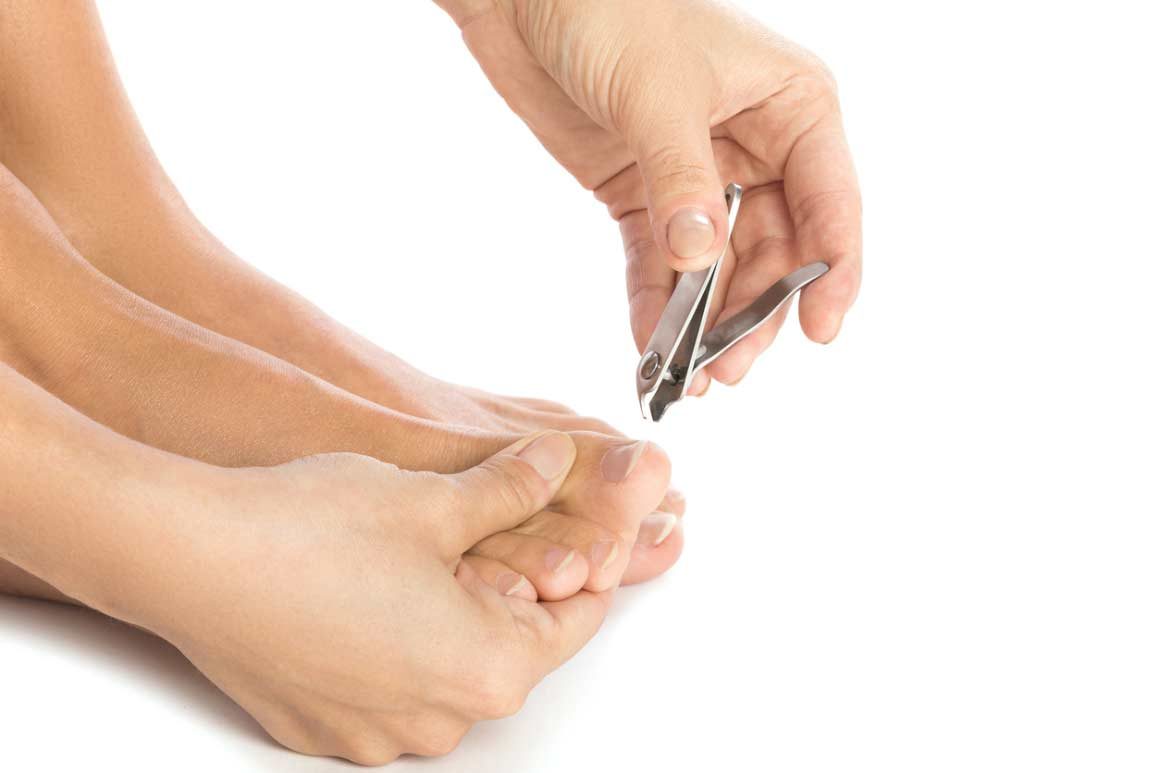
Use stainless steel clippers. They are durable and precise. Cut your toenails in a straight line. This is critical. Curving the edges too much invites ingrown nails. Once clipped, lightly round the corners with a cardboard file. Avoid metal files. They are too abrasive. They can split the nail plate.
Do not cut your cuticles. Those thin layers of skin protect the nail bed. Cutting them increases the risk of bleeding. It also opens the door for bacteria and fungi. Keep them intact. Use a wooden stick to gently push them back. It’s safer. It looks clean. No risk required.
Yellow, thickened nails aren’t just a cosmetic annoyance. They are often a sign of nail fungus treatment challenges that require patience. This fungal infection changes the nail’s color to white or yellow and distorts its shape. While medicated polishes exist, many women prefer natural remedies using the antifungal power of essential oils.
A Natural Remedy for Stubborn Onychomycosis
If you want to try the oil route, consistency is key. You will need a cotton swab and a specific blend. Mix these ingredients carefully:
- 40 drops of tea tree essential oil
- 30 drops of palmarosa essential oil
- 10 drops of Ceylon cinnamon essential oil
- 10 drops of lemongrass essential oil
- Jojoba liquid wax, filling up to 15ml total volume
Apply this mixture directly to the affected nail twice daily. It is not a quick fix. Nail growth is slow. You must commit to a six-month to one-year timeline to see the fungus completely disappear.
Remember: Check for contraindications before using essential oils, especially if you are pregnant or have sensitive skin.
Sometimes, the yellowing isn’t a fungus at all. It could just be the pigment from a dark nail polish staining the nail plate. Always use a clear base coat before applying dark colors. It acts as a barrier. When you remove the polish, the natural nail underneath remains safe.
Keeping Feet Dry to Prevent Athlete’s Foot
Fungus doesn’t just attack nails. It loves the skin between your toes. This is athlete’s foot. It causes peeling skin, redness, and intense itching. The culprit is moisture. Fungus thrives in damp, dark environments.
So, how do you keep your feet dry and healthy?
- Dry thoroughly after showers. Pay special attention to the spaces between your toes. Water left there is an invitation for fungus.
- Choose breathable socks. Cotton or wool blends allow air circulation. Change them immediately if your feet sweat.
- Rotate your shoes. Never wear the same pair two days in a row. Let them air out. If they are still damp, stuff them with newspaper. The paper absorbs moisture and speeds up drying.
- Avoid tight, synthetic shoes. Plastic or vinyl sneakers trap sweat. This creates a humid microclimate perfect for fungal growth.
- Manage excessive sweating. Use absorbent powders or natural anti-sweat solutions to keep the skin matte and dry.
It’s not about perfection. It’s about awareness. Your feet carry you through life. They deserve a little more than just tossing them into shoes at the end of the day. A little extra care now prevents a lot of itching later. But even with good habits, accidents happen. Sometimes the skin just feels off.
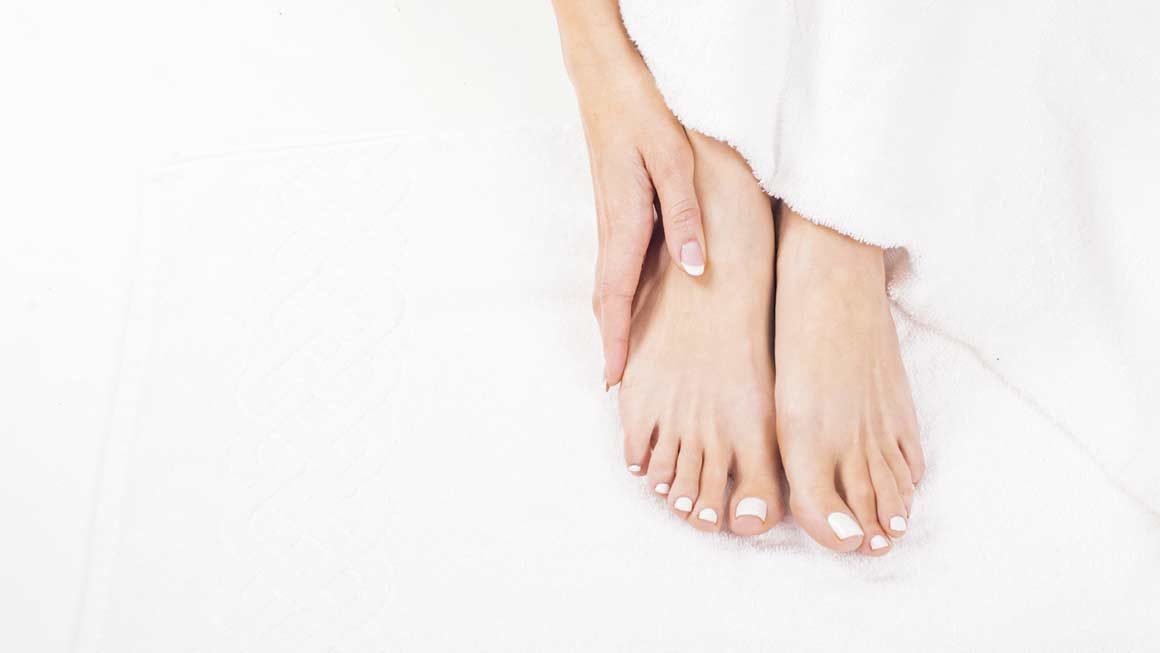
The Black Nail Truth: It’s Probably Your Shoes
Let’s be honest for a second. If you are tired of stepping out with black toenails, it might not be a mystery disease or bad luck. It could simply be that your shoebox is shrinking. Or rather, the shoe itself is.
This happens most often to runners. You are pounding the pavement, your foot slides forward inside the sneaker, and thwack —the toe hits the front. Repeated micro-traumas from this friction cause blood to pool under the nail plate. An onychia, or subungual hematoma, turns that pretty pink nail into a bruised purple-black mess. It looks worse than it feels, but nobody wants to show off their feet in summer sandals.
The fix isn’t complicated. You need to choose a shoe size larger than usual.
Yes, really. When you are buying running shoes or any athletic footwear, go up half a size or even a full size. Your feet swell when you exercise. If they fit snugly at the store on a cold day, they will turn your toes into bruises by mile three. Leave a thumb’s width of space between your longest toe and the end of the shoe. Your toenails will thank you.
If swapping sizes isn’t an option right now, you can mitigate the damage. Look for toe protectors made of silicone gel. These little caps slide over your toes before you lace up. They absorb the shock and reduce friction, acting as a buffer between your nail and the shoe’s interior. It is a small investment for pain-free runs and, hopefully, clearer nails.
There are other foot woes, too. Sometimes the heel is the culprit, not the toe. Knowing how to treat blisters with grandmother’s remedies can save a workout. And for those rough, cracked soles, discovering 7 homemade hacks for soft heels might change your life.
But for now? Just get those shoes a size bigger.