Colorectal cancer rates are climbing.
For young people? They’ve nearly doubled since 1995 in the U.S.
That number isn’t just a statistic. It’s a red flag waving hard enough to hurt. The thing is most of us ignore it because the symptoms look so damn normal. Constipation? Diarrhea? Feeling wiped out? You probably blame it on the tacos or stress.
It’s easier to do that than to imagine you have cancer. But ignoring these signals is risky. Prevention works. Early detection actually changes the outcome.
And there’s one specific symptom doctors keep coming back to.
One that makes you want to close your laptop and never speak again.
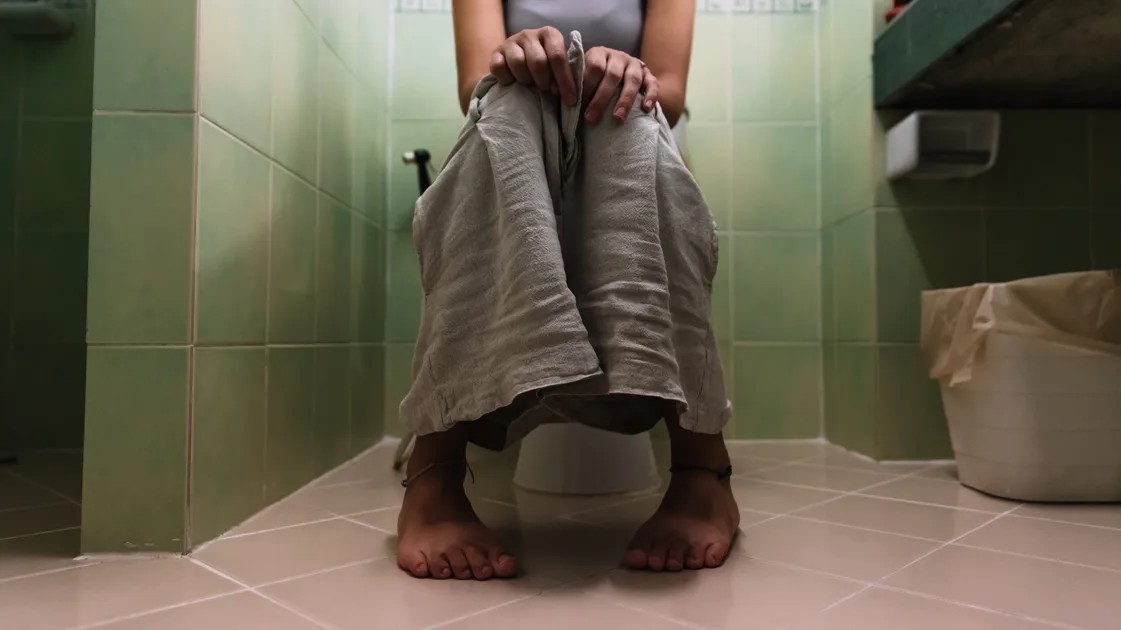
Bowel incontinence.
The Embarrassing Sign Nobody Mentions First
Leaking stool is rare.
That’s the weird part. Most people with colorectal cancer don’t experience it at first. When you do get it though it often points to rectal involvement specifically.
Dr. Jason Carter breaks it down simply: rectal cancers mess with how your body senses fullness. They disrupt the nerve signals that tell your anal sphincter to hold on tight. Or maybe the tumor secretes massive amounts of mucus turning things into a mess that’s harder to control. Sometimes the colon narrows so much only liquid gets through and that pressure causes unexpected leakage.
Here’s the kicker: it usually happens late in the game.
Why? Because the cancer has to grow big enough to block the passage of solid stool first. Once that happens liquid bypasses the obstruction. It’s not a pretty picture.
But wait. Before you panic?
This isn’t always cancer.
Most of the time it’s something else. Aging. Pelvic floor dysfunction. Hemorrhoids. A bad childbirth. Neurologic disorders.
Bowel leakage is much more commonly caused by the non-cancerous stuff than you think.
Still? Don’t shrug it off. Just because it’s common for other reasons doesn’t mean your body isn’t sounding an alarm.
The Quiet Sneakers
Incontinence isn’t even the first hint you’ll likely get.
Usually cancer whispers before it screams.
Watch for rectal bleeding. Blood mixed into your stool. Stools that suddenly look like pencil shavings or change width consistently. Persistent changes in habits—new constipation or diarrhea that doesn’t go away. Abdominal pain that lingers. Unexplained weight loss when you haven’t changed a thing. Extreme fatigue that sleep doesn’t fix.
You might not feel a thing either.
Right-sided tumors especially are quiet ghosts. They won’t necessarily change your bathroom routine. You might just get tired and lose a bit of weight. Two things everyone blames on “adulting” or being busy.
That is precisely why screening matters even when you feel completely fine. Waiting for a sign often means waiting for damage.
What You Can Actually Do
Good news is we’ve never had better treatments.
Bad news? Prevention is still on you mostly.
Ditch the alcohol. Stop smoking. Processed foods are bad news. Cut back on the red meat. Eat more fiber. Move your body.
Sounds cliché but the science holds up.
If family history is stacked against you skip the hope-and-prayer approach. Get a colonoscopy. Regular screenings save lives. It’s invasive but catching it early means surgery is usually enough to clear it. If it’s advanced then chemo and radiation come into play tailored to you.
Don’t Wait For The “Big Event”
The biggest mistake? Ignoring the subtle changes for months. Years.
If your digestion feels “off” and stays that way for a few weeks make an appointment. Don’t wait until it hurts. Don’t wait until you can’t hold anything.
Maybe it’s IBS. Maybe it’s food poisoning from three weeks ago. But if you leave it alone a treatable condition can become an advanced one. And an advanced one? Harder to fix.
Is it worth the embarrassment of going in and saying “something feels weird with my bowel”?
Hell yes.